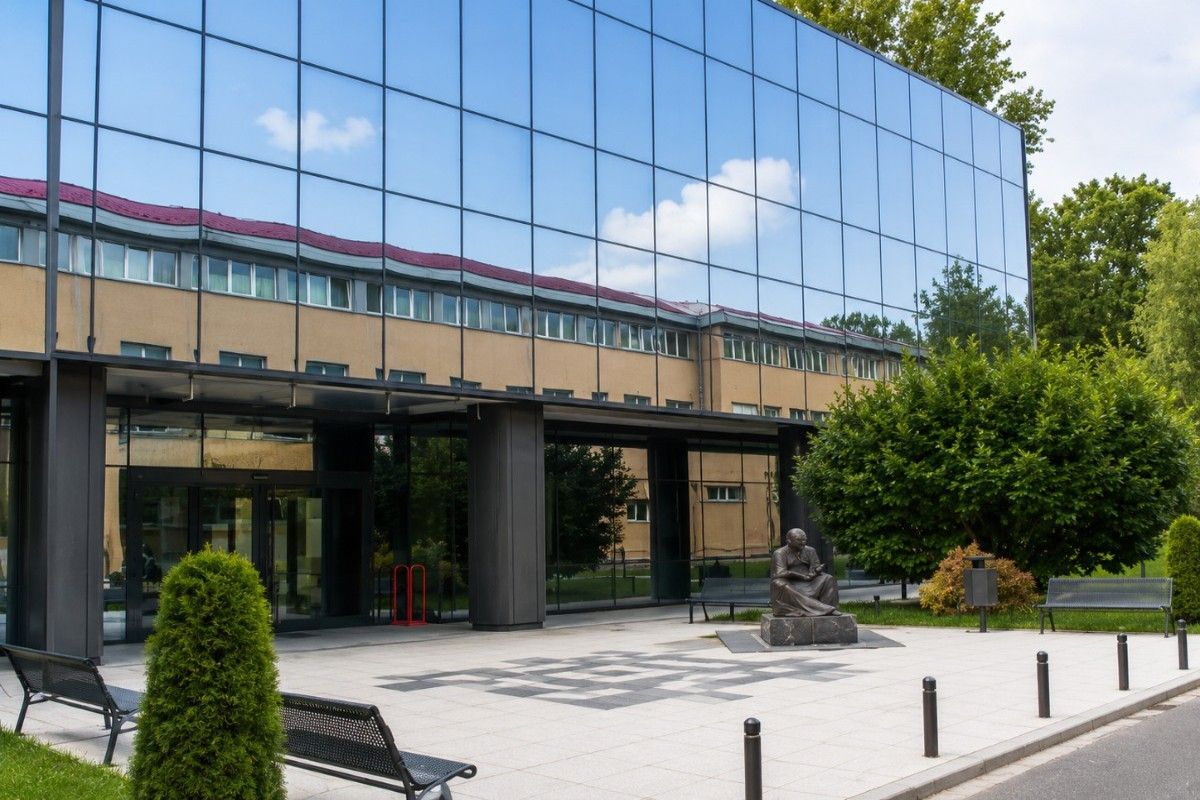
The University of Split School of Medicine is one of Croatia's leading medical institutions and an important centre for healthcare education along the Adriatic coast. Located in Split, the country's second-largest city, the school has built a strong reputation for medical training, clinical education, and biomedical research. What makes the institution particularly distinctive is its close relationship with the healthcare system of Dalmatia, its international medical programmes, and its growing role in translational and clinical research.
The University of Split was officially established on 15 June 1974 by the Croatian Parliament. Before the university's creation, higher education in Split was delivered through several independent professional schools and faculties. The establishment of the university unified these institutions and expanded opportunities for higher education in southern Croatia.
Medical education in Split began before the formal creation of the School of Medicine. During the 1970s, the growing demand for physicians and healthcare professionals led to the expansion of medical teaching activities within the region. The School of Medicine was officially established in 1997 as a constituent faculty of the University of Split, becoming one of Croatia's youngest medical schools.
The creation of the school was driven by the need to strengthen healthcare services across Dalmatia and Croatia's southern regions. Split already served as a major healthcare centre, making it a natural location for medical education and clinical training. From its early years, the school developed close links with regional hospitals and healthcare institutions.
The late 1990s and early 2000s marked a period of rapid development. New academic departments, laboratories, and teaching facilities were established. The curriculum was designed according to European medical education standards, ensuring compatibility with healthcare systems across the European Union.
One of the school's major milestones was the introduction of international medical programmes taught in English. These programmes attracted students from many countries and strengthened the institution's international profile. The development of English-language medical education also increased opportunities for academic collaboration and student exchange.
Today, the School of Medicine is one of the most important components of the University of Split. It offers programmes in medicine, dental medicine, pharmacy, and health sciences. The faculty includes numerous departments covering anatomy, physiology, pathology, pharmacology, surgery, internal medicine, public health, and other medical specialties.
Research has become an increasingly important part of the school's activities. Academic staff contribute to projects in molecular medicine, oncology, neuroscience, cardiovascular disease, public health, genetics, and regenerative medicine. Collaboration with Croatian and international institutions continues to expand research opportunities.
The school is particularly known for its involvement in translational medicine. Researchers work to bridge the gap between laboratory discoveries and clinical practice, helping improve patient care through scientific innovation. This emphasis on practical healthcare outcomes supports both research and education.
Clinical training takes place primarily through the University Hospital of Split, the largest healthcare institution in Dalmatia and one of Croatia's most important teaching hospitals. The hospital provides specialised services across a wide range of medical disciplines and serves a large regional population.
Students gain practical experience in internal medicine, surgery, paediatrics, psychiatry, neurology, emergency medicine, cardiology, oncology, obstetrics and gynaecology, and other specialties. Early clinical exposure allows students to develop patient communication and diagnostic skills throughout the programme.
The six-year Doctor of Medicine programme follows European Union medical education standards. Students study anatomy, physiology, biochemistry, pathology, microbiology, pharmacology, ethics, public health, and clinical medicine. Classroom learning is supported by laboratory work, simulation training, and hospital placements.
The English-language medicine programme has become one of the school's most attractive features for international students. Students from Europe, Asia, North America, and other regions choose Split because of its academic quality, coastal location, and comparatively affordable cost of study.
International cooperation remains a priority. The school participates in European research networks, student exchange programmes, and collaborative scientific projects. These partnerships help students and faculty remain connected to developments in global healthcare and medical science.
Split is Croatia's second-largest city, with a population of approximately 160,000 people. Located on the eastern shore of the Adriatic Sea, it is one of the country's most important cultural, economic, and tourism centres. The city's history dates back to Roman times and is closely associated with Diocletian's Palace, one of Croatia's most famous historical landmarks.
Student life in Split combines academic study with a coastal Mediterranean lifestyle. Students enjoy access to beaches, sports facilities, cultural events, and outdoor activities throughout the year. The city's relatively compact layout makes it easy to travel between university buildings, hospitals, and residential areas.
The climate is characterised by mild winters and warm summers. This pleasant weather contributes to the city's popularity among both local and international students.
Transport connections include an international airport, ferry services, rail links, and modern road networks. Students can travel easily throughout Croatia and to neighbouring European countries.
Accommodation is available through student residences and private housing providers. International students receive support services related to accommodation, visas, and academic integration. Compared with many Western European destinations, Split offers a favourable balance between quality of life and living expenses.
What makes the University of Split School of Medicine unique is its combination of modern medical education, international English-language programmes, strong clinical training through the University Hospital of Split, and its location in one of the Mediterranean's most attractive student cities. These strengths have helped the school become one of Croatia's fastest-growing medical institutions.