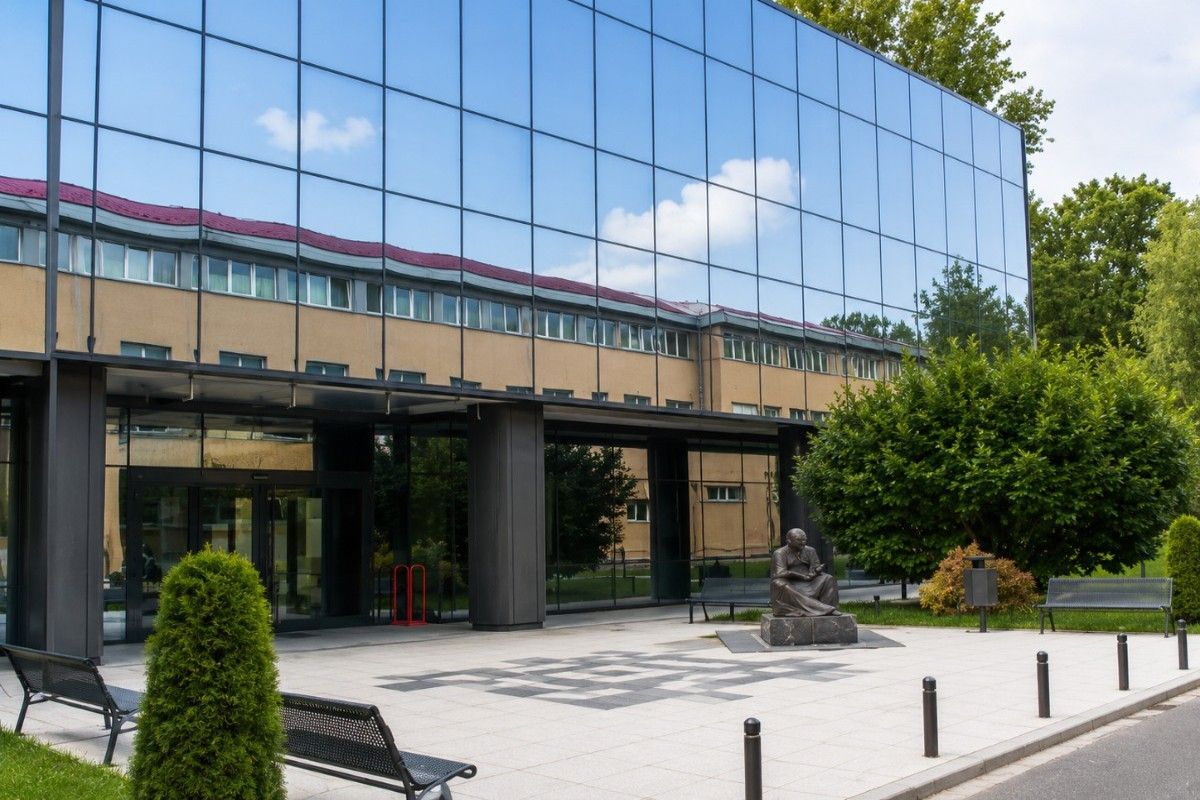
The Faculty of Medicine at the University of Rijeka is one of Croatia's leading institutions for medical education and healthcare research. Located on the Adriatic coast, it has developed a strong reputation for modern teaching methods, international cooperation, and clinical training. The faculty is particularly known for being one of the first medical schools in Croatia to introduce integrated medical curricula aligned with European higher education standards.
The University of Rijeka traces its academic roots to educational institutions that existed in the city during the seventeenth century. The modern University of Rijeka was officially established on 17 May 1973 by a decision of the Croatian Parliament. The Faculty of Medicine, however, predates the university itself. It was established in 1955, making it one of the oldest faculties within the university system.
The creation of the Faculty of Medicine addressed the growing need for healthcare professionals in the northern Adriatic region of Croatia. During its early years, the faculty focused on educating physicians who could support the expanding healthcare infrastructure of the country. Clinical training developed in close cooperation with regional hospitals and healthcare centres.
Throughout the 1960s and 1970s, the faculty expanded its academic programmes and research activities. New departments were established in anatomy, physiology, pathology, surgery, internal medicine, and other medical disciplines. As healthcare became more specialised, the faculty introduced additional teaching and research facilities to support modern medical education.
A major period of development occurred after Croatia gained independence in 1991. The faculty modernised its curriculum, strengthened international partnerships, and aligned its programmes with European Union educational standards. These reforms improved student mobility and increased international recognition of its degrees.
Today, the Faculty of Medicine forms an important part of the University of Rijeka and educates students in medicine, dentistry, nursing, physiotherapy, medical laboratory diagnostics, and related health sciences. The faculty includes numerous departments, institutes, and research units that support both teaching and scientific research.
One of the faculty's defining features is its commitment to integrated medical education. Students are introduced to clinical concepts early in their studies, allowing them to connect theoretical knowledge with patient care from the beginning of their training. This approach helps develop both academic understanding and practical clinical skills.
Research is an important component of the faculty's activities. Academic staff contribute to studies in cardiovascular medicine, neuroscience, oncology, genetics, public health, molecular biology, and regenerative medicine. Researchers regularly collaborate with Croatian and international institutions on scientific projects and publications.
The faculty has gained particular recognition for research in biomedical sciences and translational medicine. These efforts focus on converting laboratory findings into practical clinical applications that improve patient outcomes. Research infrastructure continues to expand through partnerships with healthcare institutions and international organisations.
Clinical education takes place primarily through the Clinical Hospital Centre Rijeka, the largest healthcare institution in the region and the faculty's principal teaching hospital. Students gain practical experience across a broad range of specialties, including internal medicine, surgery, paediatrics, neurology, psychiatry, obstetrics and gynaecology, and emergency medicine.
The medicine programme follows European Union medical education standards and awards the Doctor of Medicine degree after six years of study. Students receive training in anatomy, physiology, biochemistry, pathology, pharmacology, microbiology, clinical medicine, ethics, and public health. The curriculum combines classroom learning, laboratory work, and clinical placements.
The Faculty of Medicine also offers a full English-language medicine programme, making it accessible to international students. This programme has attracted students from Europe, Asia, North America, and other regions. Internationalisation remains a major priority for the university, with exchange programmes and academic partnerships supporting global cooperation.
Rijeka itself is Croatia's third-largest city, with a population of approximately 110,000 people. Located on Kvarner Bay along the Adriatic Sea, the city has historically served as an important maritime and commercial centre. Its coastal location provides a unique setting for students pursuing higher education.
Student life in Rijeka is active and diverse. The city hosts a large student population and offers numerous cultural events, sports activities, student organisations, and social programmes throughout the year. The relatively compact size of the city makes it easy for students to travel between campus facilities, residences, and recreational areas.
The climate is characterised by mild winters and warm summers due to the city's coastal location. Students benefit from access to beaches, outdoor activities, and nearby natural attractions while pursuing their studies.
Transport connections are well developed. Rijeka is connected by road, rail, ferry, and air services to other parts of Croatia and neighbouring European countries. This accessibility supports both domestic and international student mobility.
Accommodation is available through student residences and private housing options. International students receive support services related to housing, academic integration, and administrative procedures. The city offers a lower cost of living than many Western European destinations, making it attractive for international medical students.
What makes the Faculty of Medicine at the University of Rijeka unique is its combination of early clinical exposure, strong international orientation, English-medium medical education, and its location within one of Croatia's most important healthcare centres. These strengths have helped establish the faculty as a respected medical education institution within the Adriatic region and beyond.