 Partner
📍Russia, Ivanovo
 Study destination: Russia
Not every NEET journey ends with a result that a student hopes for! Many students spend their time preparing for the exam, give the test all with their heart, and still find themselves asking, “what do I do now” after they fail to secure a seat in the government college.
The only option they think of is either dropping a year to prepare for the next year's NEET or taking admission in a private college, causing a burden on their parent’s pocket. However, there is one solution that is like a boon for many NEET qualified students: study MBBS from abroad.
In recent times, many Indian students are planning to pursue MBBS in Russia. It’s because the country boasts of a large number of established and accredited medical universities, a six-year medical program (5 years of academic study + 1 year of internship) taught in English medium, and a large number of International students.
But for an Indian student, the decision to opt for a foreign medical university is not just about paying a low tuition fee. The bigger question is:
“Will this course and university satisfy the requirements of regulatory bodies when I finally come back to India?”
This should be the key issue in every decision.
Medical programs in Russia range from fairly affordable local universities to top-tier institutions in Moscow and other cities. Some programs are conducted in English, some in Russian, and some are conducted in a mixed/language-mediated model.
Thus, it is necessary to check the course structure at each university, and don’t presume that all the Russia MBBS colleges have a similar structure.
For many students from India, MBBS in Russia may be an alternative if they find it hard to get a medical seat in India, or if the overall cost of private medical education is a worry. Russian medical universities provide sound medical courses and some universities have a long history of teaching foreign students.
There are some medical universities in Russia with long histories of academic and clinical experience which are recognized worldwide.
Many universities provide medical courses in English which make it easier for foreign students to start their studies.
Tuition and living costs can be relatively low, depending on the university and city.
Students receive practical training along with medical education.
Indian students can experience Russian culture while studying with students from different countries.
Russian universities provide students with a chance to participate in winter and summer sports, for example, skiing, ice skating, football, basketball and outdoor activities. Student life is culturally enriching as Indian students can attend festivals like Diwali, Holi and Independence Day with their friends and Indian community.
They can also experience Russian culture through the festivals like Maslenitsa or New Year's celebration with their friends and the Russian community.
Russia is the world's largest country by land area, covering the countries of Eastern Europe and northern Asia.
Russia is a vastly different place for Indian students. The geography is vast, the cities have distinct character and the climate varies from fairly mild in the south to quite cold in parts of Siberia.
The most popular cities for students are Moscow, Kazan, Saint Petersburg, Kursk, Volgograd, Ufa, Orenburg, Novosibirsk and other university towns.
Geographical diversity is important in selecting a medical university. When a student looks for MBBS in Russia fees, they should see more than just the tuition rates. Costs for accommodation, meals, travel and climate can differ significantly among cities.
Russian culture is a blend of European, Asian, Orthodox Christian, Islamic and many regional traditions.
Students will have the opportunity to experience Russian literature, music, architecture, museums, festivals and a vibrant culture of cafes and public parks. Cities like Kazan are also quite multi-cultural.
Indian students may need some time to adapt to the culture.
The first few weeks might include small challenges, such as understanding signs, using public transport, buying groceries or communicating with someone who doesn't speak English.
These experiences gradually become part of the journey.
It is helpful to know some common Russian words, and they can help students feel less reliant on others.
Russia is known for its winters, but the exact weather can vary significantly depending on the location.
Winters in Moscow and Saint Petersburg are cold, and in Siberia the temperatures are much lower. Generally, the winter is relatively mild in the southern cities like Krasnodar.
Winter preparation is a serious thing for Indian Students.
Thermal clothing, insulated shoes, gloves, and a well-fitted winter coat and moisturising skin care products are no luxurious items in colder cities. They are essential items that can be used.
Students are advised to always consult the weather forecast for their particular university city, not taking it for granted that the climate is the same everywhere in Russia.
Several Russian medical universities have Indian food, but students should not take it for granted that every medical university has a separate Indian mess. Before getting into a university, look at the hostel kitchen, mess menu, food cost and feedback from existing Indian students of the university.
The general conclusion is that it is safe for Indian students to pursue an MBBS degree in Russia, provided they select reputable medical universities in major cities and ensure they are recognized by the National Medical Commission (NMC).
There are at present thousands of Indian students studying in Russia without any major safety concerns.
There is more to medical school than just lectures and exams.
International students are welcome to engage in sports, student clubs, cultural activities, conferences, volunteering and university celebrations. Festivals like Diwali, Holi and Independence Day can also be special days away from home for an Indian student.
Particular | Details |
Course Duration | 6 years (5 years of academic study +1 year of internship) |
Medium of Instruction | English |
Intake | Primary intake in September and Secondary intake in February |
Degree | MD (Equivalent to MBBS) |
NEET Score | 137-164 for general, 107-130 for SC/ST/OBC |
Indian students need to have a 50% in Physics, Chemistry and Biology (PCB) in the 12th standard and clear the NEET to be academically eligible to pursue an MBBS in Russia.
Is NEET required for MBBS in Russia?
Yes. NEET is mandatory for Indian students who plan to practice medicine in India after completing an MBBS in Russia.
Students must complete 17 years of age on or before December 31st of the admission year.
Students will require:
Passport
Class 10 and Class 12 certificates
Academic transcripts
Medical fitness documents
Translations/notarisation
Passport photographs
University application form
The results of the entrance exams (if applicable)
In addition some universities will request an acknowledgment or verification of prior learning documents.
This is one of the most crucial parts of the page.
The foreign medical degree does not automatically qualify the person to practice medicine in India. Depending on the student's admissions and regulatory framework, the relevant NMC rules apply.
According to the NMC's published FAQs for students with a Foreign Medical Graduate License 2021, the following are some requirements:
4.5 years minimum medical education followed by 1 year of clinical internship at the same university.
English as the medium of instruction.
Theory, Practical and Clinical training equal to Indian MBBS.
Registration/licensure in the country where the medical degree is earned.
This is the reason why you have to look for more than just the tuition fees when selecting the MBBS university in Russia.
Students are advised to check the entire course structure, language used for teaching, clinical training, internship arrangement, university status and compatibility with the NMC requirements applicable to their batch before getting admitted to the course.
It is good to be mindful and meticulous about recognition at the university and programme level.
Students who wish to do their MBBS in Russia should take a look at their future career before selecting the university. Students who want to go abroad must make sure that the medical licensing pathway in that country is compatible with NMC requirements, but students returning to India must adhere to the applicable NMC requirements.
Graduates will have to pass examinations like:
USA: USMLE (United States Medical Licensing Examination)
UK: PLAB (Professional and Linguistic Assessments Board) / applicable GMC registration pathway
Canada: MCCQE (Medical Council of Canada Qualifying Examination) and other applicable requirements
Australia: AMC examinations (Australian Medical Council)
New Zealand: NZREX Clinical, where applicable
Germany: Approbation pathway, as required, including Kenntnisprüfung in German language; German-language requirements;
UAE: Licensing and examination by the health authority of the relevant emirate as per the requirements.
University | City | Duration | Indicative Tuition Fee | Medium of Instruction |
Moscow | 6 (5+1) years | $9750-$11800 | English | |
Ufa | 6 (5+1) years | $3500-$5800 | English | |
Kaliningrad | 6 (5+1) years | $3600-$4000 | English | |
Volgograd | 6 (5+1) years | $5000 | English | |
Kursk | 6 (5+1) years | $5500-$6200 | English | |
Orenberg | 6 (5+1) years | $6500-$7000 | English | |
Kazan | 6 (5+1) years | $6000-$8000 | English | |
Volga Research Medical University | Nizhny Novgorod | 6 (5+1) years | $5000-$6000 | English |
One of the most significant things that families look into with regard to Russia is the possibility of medical education at lower prices.
But MBBS in Russia fees should always be calculated as a complete six-year budget.
The tuition price is highly dependent on the university.
The charges for university accommodation depend on the city, room type and institution.
In some Russian universities, the fees for university dormitory accommodation are as low as a few thousand rubles per month, and in the case of high-quality medical accommodations, the prices may be considerably higher.
A large number of universities having a high number of students from India have an Indian mess on campus that provides regular breakfast, lunch and dinner meals. This typically costs ₹8,000 to ₹12,000 per month.
International students typically require suitable health insurance during their time in the country. Each university may have its own requirements.
Students need to make provision for visa and migration costs during the programme.
The following are potential extra fees:
Registration
Medical examination
Translation/notarisation
Student documentation
Laboratory or administrative charges
Study materials
Hostel-related charges
A range of 6 years of study for the student could be around 35-60+ lakh for planning purposes, subject to university, city, lifestyle, currency movements and other expenses.
This is why the MBBS in Russia Indian students' fees should not be associated with one fixed number.
Country | Approx Tuition Fee/ Year | Approx Cost of Living | Medium of Instruction | NEET for Indian Students | Climate | Clinical Exposure |
Russia | $3000-$7000 | Moderate | English / Russian depending on university | Required | Very cold winters | Strong and well established |
$3,500–$6,000 | Low–Moderate | English at selected universities | Required | Very cold winters, warm summers | Good to strong; varies by university | |
$3,000–$5,000 | Low | English at selected universities | Required | Cold winters, hot summers | Moderate to good | |
$3,000–$5,000 | Low | English at selected universities | Required | Cold winters | Good; varies by university | |
$5000-$8000 | Moderate–High | English | Required | Comparatively mild | Strong at established universities | |
$4,000–$6,000 | Low–Moderate | English for medical education | Required | Similar to eastern India | Good, with high patient exposure | |
$2,500–$5,500 | Low | English available at selected programs | Required | Cold winters | Developing; depends on institution |
Most of the major universities offer student housing, but it varies in terms of availability and costs.
A normal hostel for students can have the following:
Shared rooms
Shared kitchen
Common bathrooms
Wi-Fi
Laundry facilities
Study spaces
Security arrangements
There are some universities with separate accommodation blocks for international students.
Indian medical students studying in Russia have access to food and mess facilities via dedicated messes at the university and shared hostel kitchens, or local grocery and restaurant outlets, depending on the particular university and city.
Universities feature dedicated Indian Mess and Canteen Facilities inside or near the hostels with Indian chefs preparing vegetarian and non-vegetarian meals.
In addition to tuition, students need to develop a personal budget each month.
Metro, buses and trams are available in many large Russian cities. Students are advised to look for student passes and university discounts.
Purchase a SIM and monthly data plan in Russia.
Foods to buy include eggs, meat, spices, dairy products, and vegetables.
This includes:
Toiletries
Clothing
Entertainment
Printing
Stationery
Occasional travel
This should have a dedicated budget. Students travelling from India may not already own proper thermal clothing and winter footwear.
Travel arrangements should be made after confirmation of university and visa.
The following are some of the major international airports that Indian students typically use to travel:
Delhi
Mumbai
Bengaluru
Chennai
Travel plans and flight timetables may be subject to change, students should verify current flight availability before making a booking.
The key Russian airports are:
Moscow
Saint Petersburg
Kazan
Yekaterinburg
Novosibirsk
Sochi
Other regional airports based on university location
On arrival students can use:
Metro
Bus
Tram
Taxi
University transport, where available
Students are advised to make in advance arrangements for transfer to the hostel from the airport, especially on the first arrival.
Sports facilities, student clubs, cultural events, conferences and social activities are common features of Russian universities.
International students are welcome to attend:
Football
Basketball
Volleyball
Gym activities
Chess
Cultural societies
Academic conferences
Student volunteering
University festivals
These activities are significant for many students who are adjusting to a new country.
Learning medicine doesn't just happen from a Power Point Slide. A good medical programme should progressively guide learners from basic science to learning-based activities in practice/clinical settings.
The Russian General Medicine courses typically follow the sequence of basic science and then move on to the professional clinical courses.
Clinical exposure may consist of:
Internal medicine
Surgery
Paediatrics
Obstetrics and gynaecology
Emergency medicine
Infectious diseases
Diagnostic disciplines
Community/primary care
The detailed structure will differ between universities.
When studying about Russia, students typically take into account the following practical considerations:
Russia boasts universities with a long history in medicine.
There are several universities that host General Medicine courses in English.
Students have the opportunity to compare city, fee, teaching model, admission requirements.
Many Russian universities host international students from different countries.
Learning Russian can be useful for everyday life and clinical communication.
Tuition fees are widely different so that students can compare the costs of regional universities to those of more expensive institutions.
This is a pivotal decision that requires an honest checklist.
A low fee does not guarantee that the programme will be right for you.
Don't presume that the 'English programme' means all clinical interactions will be conducted in English.
The criteria for the year of the admission are more important than generic consultancy claims.
The internship arrangement is significant in particular within the applicable FMGL.
The climate, food, transport and cost of living can be very different.
Calculate tuition + hostel + food + insurance + visa + travel + personal expenses.
Know where and how practical exposure is provided to students.
The exchange rates of currencies may change within the 6 year course.
Basic Russian can be beneficial, even if your academic programme is English-medium, as it can make your daily life and communication with patients easier.
There are multiple career paths after obtaining a Russian medical degree, but the graduate must meet the licensing requirements in the country where they wish to practise.
If you are an Indian graduate and wish to practice in your home country, you need to take the relevant NMC/Indian licensing route.
Requirements may contain the appropriate screening/exit examination framework, registration requirements and internship requirements that apply to the graduate.
The current framework for FMGL 2021 is maintained by NMC.
The pathway should be checked according to:
Admission year
NMC rules that apply to the batch.
Foreign degree structure
Internship
The licensing/registration status in Russia.
Examination requirements in India
Postgraduate education
Upon completion of General Medicine, graduates can pursue postgraduate medical education.
This may also include postgraduate/residency positions in Russia or another country depending on the requirements for admission and licensing from the country they are seeking.
After graduation, students can study in the country of their choice, including the UK, USA, or another country, but a medical degree from Russia does not automatically qualify a student for a licence in another country.
The examination, credential verification, language and registration requirements vary from destination to destination. So, while looking for Russia MBBS college, consider more than admission. Think about where you want your medical career to go.
They typically go through these steps:
Check universities according to:
Programme
Fees
Medium
Clinical training
Location
Hostel
NMC compatibility
Provide academic and identity papers as per university application guidelines.
Once accepted, the university provides the necessary admission papers.
Make the necessary payment via the official university-recognised payment channel.
The university/host institution begins the process of issuing a study invitation for students who need a Russian study visa.
Study visas must be accompanied by an invitation from the Russian authorities and the necessary visa documentation.
After receiving a visa and making travel plans, the student comes to Russia.
Once students arrive, they complete:
University registration
Migration formalities
Medical procedures
Hostel formalities
Orientation
Students will be required to submit:
Valid passport
Class 10 certificate
Class 12 certificate
Class 10 and 12 mark sheets
NEET scorecard
Passport photographs
Birth Certificate (when required)
Medical fitness certificate
HIV test result (if available),
Academic transcripts
Notarised translations
University application forms
Other university-specific documents
The exact list will depend on the chosen university.
Applicants usually require the following for a study visa:
Passport
Completed visa application
Photograph
Russian study invitation
Medical/insurance documentation
HIV/AIDS certificate wherever necessary.
Visa fee/payment documentation
Other documents requested by the Russian consular authority
Specific requirements for a study visa for Russia include an invitation from the Russian Ministry of Internal Affairs and an HIV certificate, as specified by the Russian Consular Department.
It is advisable for students to refer to the latest Russian visa instructions applicable in India and not an old checklist.
Explore active university options with fee, duration, and accreditation details before you shortlist your preferred campus.
PartnerChoose the right country, shortlist the right university, and understand your next steps with one clear plan built around your NEET score and budget.
Arrange a free counselling sessionMBBS in Uzbekistan 2026-27: Fees, Universities, NMC Advisory & Everything Else Nobody Tells You Upfront
Lowest-Cost NMC-Compliant MBBS Abroad | English Medium | No Donation | ₹15-35 Lakh Total | National FMGE Average 25%
MBBS in Belarus 2026-27: Fees, Universities, Eligibility, Admission & NEET
MBBS in Bulgaria: Fees, Top Medical Universities, Admission & Eligibility 2026–27
● NMC-compliance depends on FMGL 2021 conditions (54-month course + 12-month same-institution internship), not a blanket "NMC approved" label; always verify the specific university's WDOMS listing before paying any fee
Yes, students from India must qualify the requisite NEET requirement to study abroad for a medical qualification.
The duration of General Medicine programmes in Russia is usually 6 years.
Yes, MBBS in Russia is taught in English to Indian students.
Fees vary significantly. The tuition fee varies between approximately $3,000 USD to $7,000 USD per year, depending on the university.
Expert will call you within 2 hours
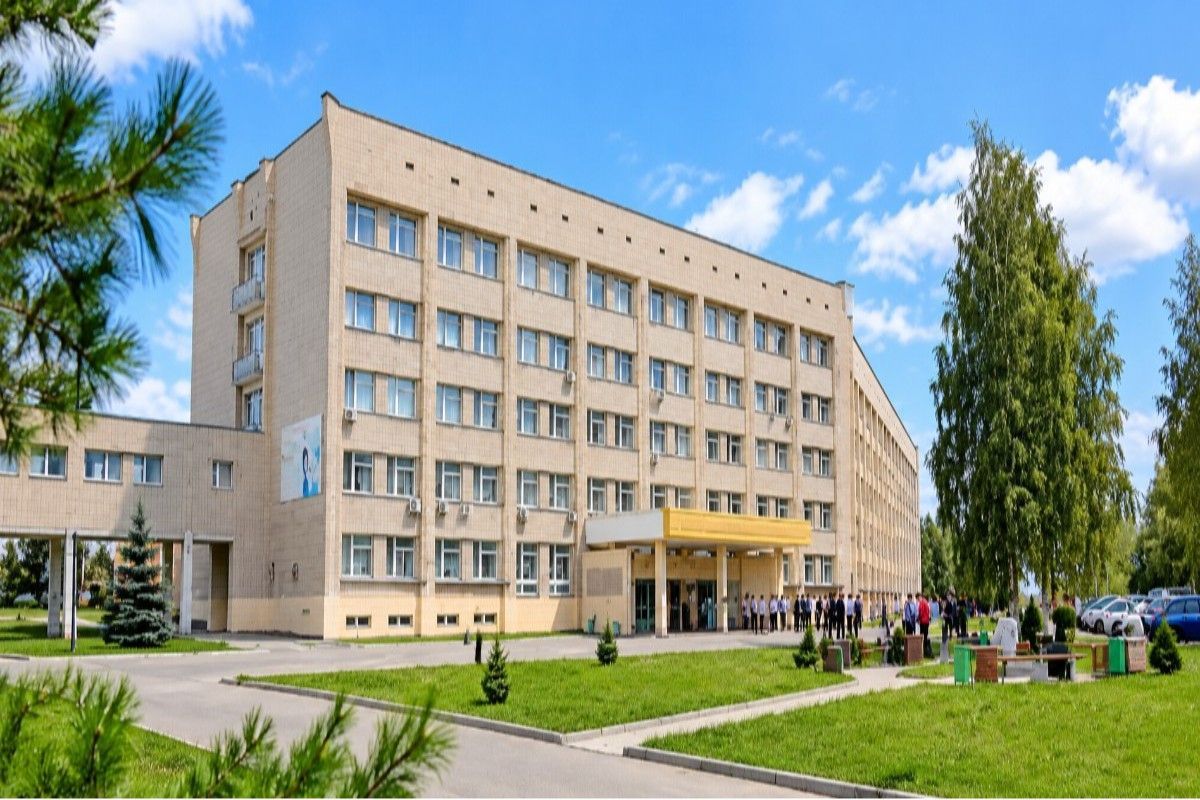
Explore fees, eligibility, and admission guidance for MBBS in Ivanovo State Medical University in Russia.
 Partner
Explore fees, eligibility, and admission guidance for MBBS in Izhevsk State Medical University in Russia.
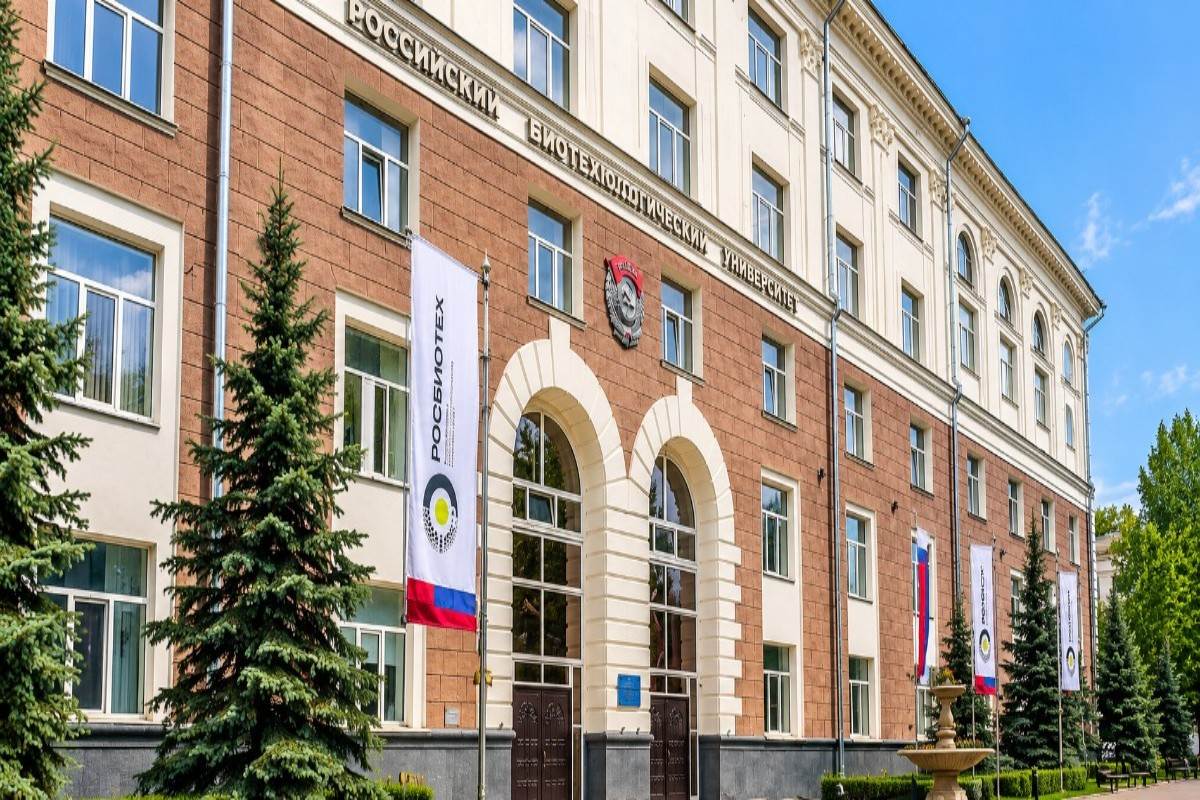 Partner
Explore fees, eligibility, and admission guidance for MBBS in BIOTECH University Medical Institute in Russia.
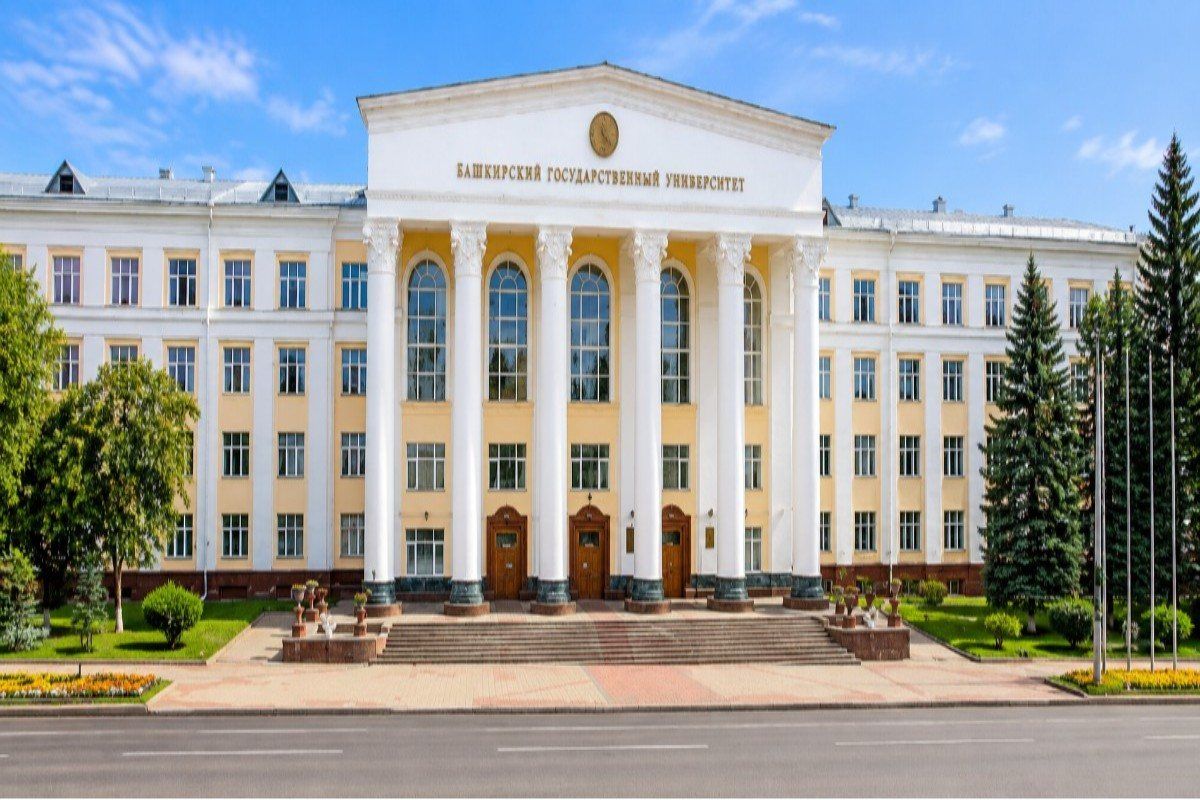 Partner
Explore fees, eligibility, and admission guidance for MBBS in Bashkir State Medical University ufa in Russia.
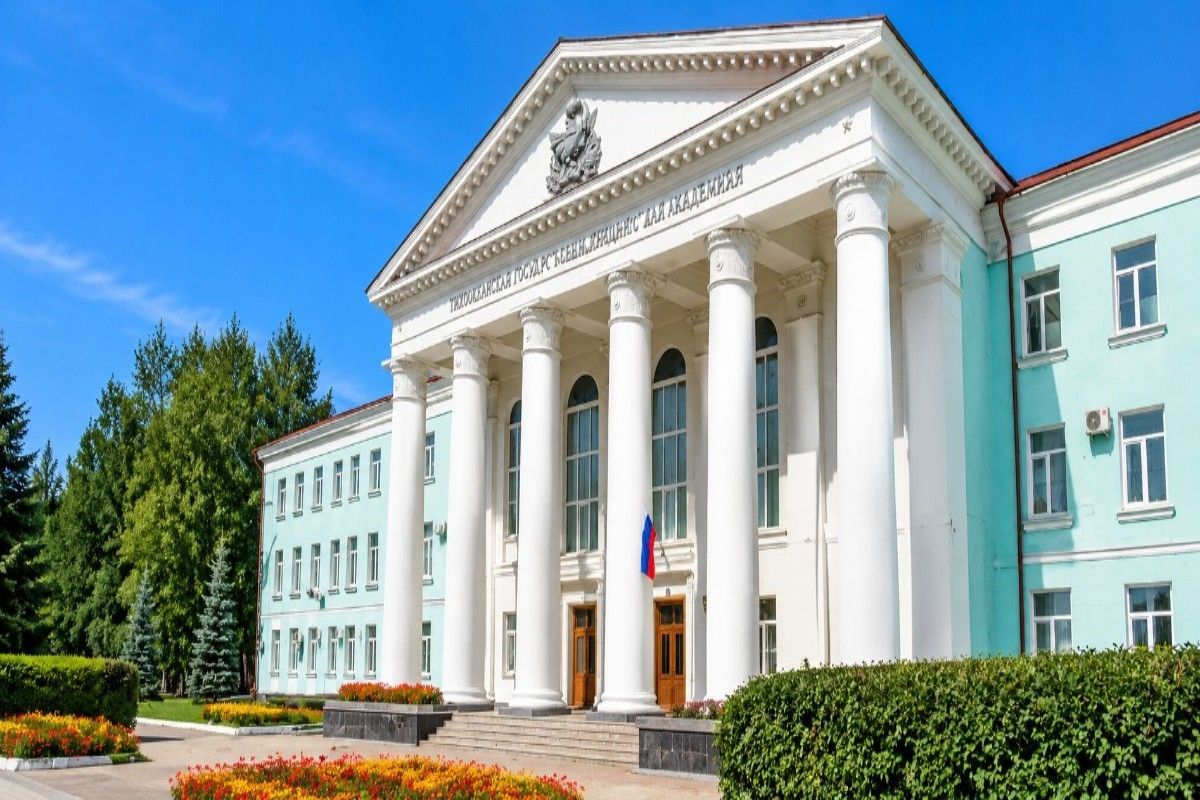 Partner
Explore fees, eligibility, and admission guidance for MBBS in Amur State Medical Academy in Russia.
 Partner
Explore fees, eligibility, and admission guidance for MBBS in Astrakhan State Medical University (ASMU) in Russia.
FMGE outcomes in Russia can vary by university. Our team provides university-specific guidance and a full Russia context briefing at every intake. Book a free counselling session →
Although there is no strict requirement for Russian in English medium programmes, it is often advantageous for students to learn this language for their use in everyday life and for clinical interactions.
Student accommodation is offered at many Russian universities, but it varies in price, availability, and type of room.
A foreign medical graduate cannot get automatic registration in India. The graduate is responsible for meeting the requirements and path set out by the NMC for that specific batch.
Students should start researching universities and paperwork before the eventual enrolment as the application, entrance tests, admission papers and visa processing might take time. Russian universities generally publish their own deadlines.
Yes. Festivals like Diwali, Holi and Independence Day are often marked with fun-filled events and cultural activities among the Indian students. During the visit, students will have an opportunity to participate in Russian cultural events.
Students can join football, basketball, volleyball, badminton, table tennis, swimming, athletics, chess, gym activities depending on the university. These activities also give an opportunity to socialise and make new friends.