 Partner
📍Kyrgyzstan, Bishkek
 Study destination: Kyrgyzstan
The struggle to choose the ideal medical university after NEET clearance is what every Indian student faces once they fail to grab a seat in the government university. Most of us think that let’s drop one year and prepare for the next year or take admission in a private university.
However, what we fail to see through is the expensive fee structure in the private university. That’s when the concept of studying MBBS abroad sounds much more feasible. In recent years, Kyrgyzstan has been one-of the go-through destinations for students planning to pursue MBBS.
The country has been offering medical programmes for Indian students and the mode of study is in English at several institutions. That’s why the country has been the most sought after country for studying MBBS abroad for almost 30 years.
Kyrgyzstan is a top choice for students looking to pursue their dream of becoming doctors in a peaceful environment as the country offers an affordable education system. That’s what compels them to pursue MBBS in Kyrgyzstan, alongside Russia and Philippines.
As of currently, more than 15000 Indian students are pursuing MBBS in Kyrgyzstan and the number will keep on increasing seeing the popularity of the country.
The reasons why Kyrgyzstan has been enjoying popularity among Indian students planning to study abroad are:
The biggest plus point of choosing the country for their MBBS dream is because most institutions offer General Medicine programs in English medium for all international students.
The biggest plus point of studying MBBS in Kyrgyzstan is the affordable fee structure compared to studying MBBS in private universities in India. However, the actual cost depends on the university where you get admission, the program duration, insurance, food, travel, and personal spending.
Kyrgyz people are renowned to be helpful and friendly to international students, and often help them with assisting them with daily life and local customs. Moreover, students can also experience traditional nomadic heritage. This includes visiting national celebrations, local music festivals, mountain yurts, and enjoying traditional sports like Kok-Boru, Salburun, Ordo, Er-Enish, etc.
Kyrgyzstan, officially the Kyrgyz Republic, is a landlocked country in Central Asia with a population of nearly 7.3 million. Its capital and largest city is Bishkek, while other important cities include Osh, Jalal-Abad, Karakol and Tokmok.
Often referred to as Switzerland of Central Asia, more than 90% of the land is mountainous, and the alpine peaks, lakes, and glaciers enhance the beauty of the region.
The population includes the majority of ethnic Kyrgyz (around 78%), followed by Uzbeks (14%), and Russians (4%) and both Russian and Kyrgyz serve as the official languages.
The country has a continental climate with considerable seasonal variations. The point worth noting is that winters can be very cold, particularly in higher-altitude regions, whereas summers are warm.
Students can have access to Indian meals through local food restaurants and university messes as certain universities provide Indian meals in their canteen.
Kyrgyzstan is a safe country for students. However, students are expected to avoid late-night risky movements.
Indian students in Kyrgyzstan have a vibrant campus life and also maintain their cultural and traditional values. Friends celebrate festivals like Diwali, Holi, Independence Day, and Navratri through cultural activities, musical performances, food, and community events. Students can also participate in a variety of sports activities, such as football, cricket, basketball, volleyball and more, which makes it easy for them to stay active, make friends and build friendships.
Course Duration | 6 years (5 years of academic and practical study and 1 year internship) |
Medium of Instruction | English |
Intake | September Intake (Main), February Intake (Secondary/Spring) |
Degree | MD (Equivalent to MBBS)(Recognised by WHO/WDOMS/ECFMG/AMSE/GMC/AMC/DHA/FMG) |
NEET Requirement | 50% for general category, 40% for SC/ST |
Approximate Tuition and Living Cost | $18000- $36000 (tuition fee for the entire duration) $150-$200 (per month living expenses) |
Students are expected to complete 12th Class in PCB stream with 50% (40% for SC/ST/OBC categories).
NEET qualification is necessary for students planning to pursue MBBS in Kyrgyzstan and practice medicine in India.
The student must be at least 17 years before 31st December during the admission process.
Note: Students should verify the requirements as there are many universities NMC rules might have lowered the age restrictions.
Applicants are expected to provide a list of the following documents to the universities:
Passport
10th and 12th Marksheets
Medical documents
Photographs
Application forms
Notarised/translated documents
Payment proof
Other university-specific documentation
It’s one of the most important sections for students planning to pursue MBBS in top universities in Kyrgyzstan.
An MBBS degree completed from Kyrgyzstan will be valid only if students follow the FMGL and NMC regulations. Plus the university should be listed in WDOMS and recognized by FAIMER and WHO. The key rules and regulations are:
NEET qualification is mandatory.
Must have passed 10+2 in Physics, Chemistry, Biology, and English.
The minimum percentage requirement for General category is 50% and for SC/ST/OBC category is 40%.
According to FMGL Gazette 2021 laid by NMC,
The medical course duration should be of 4.5 years (54 months) minimum.
Candidate needs to complete their internship in the same foreign institute.
The course of study must be in English.
The degree must provide the student a license to practice medicine in the country where the degree was attained.
Note: Students must regularly check the NMC requirements before admission and again after completing their degree.
This is the part where both parents and students are expected to be careful in 2026 while searching for MBBS in Kyrgyzstan eligibility. The universities should be recognized by NMC India, listed in WHO WDOMS.
This means students who are pursuing the MBBS degree from these institutes are eligible to practice in India after they clear the FMGE/NExT exam. This path ensures a student doesn’t face difficulty if they wish to become a licensed doctor in India.
The following table is an answer to all queries if you’re searching for the top Kyrgyzstan university for MBBS.
University Name | City | Duration | Tuition Fees (Per Year) | Hostel | Medium |
Bishkek | 6 (5+1) years | $4,200 | Available on Campus | English | |
Osh | 6 (5+1) years | $4,500 | Available on Campus | English | |
Bishkek | 6 (5+1)years | $6,000 | Available on Campus | English | |
Jalal-Abad | 6 (5+1)years | $4,200 | Available on Campus | English | |
Kant | 6 (5+1)years | $3,600 | Available on Campus | English | |
Bishkek | 6 (5+1)years | $4,000-$4,200 | Available on Campus | English |
One of the biggest questions the parent’s mind often ask is: what will be the overall cost of the Kyrgyzstan MBBS fees for Indian students for the next 6 years?
The total budget includes:
It often ranges between $3600 to $6000, depending on the university.
The charges lie between $500 to $800.
The mess charges of the university is usually around $120 per month.
It typically costs between $150 and $250 per year.
The cost is approximately around $250.
These might include expenses such as:
Processing/Application charges
Registration charges
Documentation charges
Exam-related fees
Student services
Administrative fees
The approx cost can vary. That’s why at AMW, we recommend parents to prepare a financial plan for the upcoming six years for their child rather than focusing solely on the tuition fees.
It will help ensure your peace of mind and no emergency rushes. For more details, you can connect with our team and we will be more than happy to assist you.
Country | Approx Tuition Fee/ Year | Approx Cost of Living | Medium of Instruction | NEET for Indian Students | Climate | Clinical Exposure |
Kyrgyzstan | $3,000–$5,000 | Low | English at selected universities | Required | Cold winters | Good; varies by university |
$3000-$7000 | Moderate | English / Russian depending on university | Required | Very cold winters | Strong and well established | |
$3,500–$6,000 | Low–Moderate | English at selected universities | Required | Very cold winters, warm summers | Good to strong; varies by university | |
$3,000–$5,000 | Low | English at selected universities | Required | Cold winters, hot summers | Moderate to good | |
$5000-$8000 | Moderate–High | English | Required | Comparatively mild | Strong at established universities | |
$4,000–$6,000 | Low–Moderate | English for medical education | Required | Similar to eastern India | Good, with high patient exposure | |
$2,500–$5,500 | Low | English available at selected programs | Required | Cold winters | Developing; depends on institution |
The key features are:
Students in the 1st year are expected to stay in the official university hostels. However, there are some universities that provide hostel facilities till 2nd to 3rd year.
The hostels include facilities such as 24*7 security, heating system in winters, CCTV surveillance, and hot/cold water supply throughout the year.
The price of rented apartments in cities like Bishkek can vary depending on the location and size. The price of 2 bedroom apartment usually ranges between $500 to $700.
Most universities provide hostel-attached Indian mess facilities or dedicated on-campus mess for Indian students that serve both vegetarian and non-vegetarian meals. Students will get three meals a day, and the meals usually include rice, wheat roti, lentils, and seasonal vegetables.
Moreover, students can enjoy both north and south Indian food and the full meal plan costs around $100 to $120 per month.
The following breakdown will help facilitate your understanding:
It can go between $5 to $10 per month.
The overcall cost for electricity, water supply, and mobile internet ranges between $15 and $50 on a monthly basis.
It usually ranges between $150-$200 per year.
Winter clothing requires a special budget as students are expected to purchase thermal wear, gloves, insulated jackets, suitable winter footwear, and woollen socks.
There are direct flights from India to Kyrgyzstan, with airlines such as Aero Nomad providing direct flights from New Delhi to Bishkek, with flight time of around 3 hours. Moreover, if students fail to secure a ticket in the direct flight, they can book tickets in airlines such as Jazeera Airways, Air Arabia, and Uzbekistan Airways for connecting flights from Tashkent or Sharjah.
The pre-departure guidelines from AMW Carrier Point will practically help students understand the steps involved during the travel preparation.
The life of an Indian student studying MBBS in Kyrgyzstan is not confined within the classroom, lecture and hospital training. In universities, students usually have the chance to participate in sports, culture, student clubs and other extracurricular activities. Students have the opportunity to engage in different sports including football, volleyball, basketball, badminton, athletics, and indoor games depending on the university and campus facilities.
The students are also involved in cultural festivals, university functions, talent shows, debates, music and dance programmes and student competitions. Indian students enjoy festivals like Diwali, Holi, Independence Day with friends and other Indian students, thereby giving them the sense of being at home away from home.
Residing in a foreign country also helps students to communicate with children of other nationalities, learn about the local culture and gain independence. This combination of academics, friendships, sports, and cultural activities can make the MBBS in Kyrgyzstan experience more balanced and memorable.
One of the key components of studying MBBS in Kyrgyzstan is clinical training, particularly for students from India who will ultimately be practicing their medicine in India. Medical education must not be confined to the lecture room; exposure to patients, clinical departments, diagnostic procedures and supervised practical training is a necessary supplement to the lecture room.
In Kyrgyzstan, the exact hospital exposure/clinical rotation system may differ between universities. So, students should verify the curriculum of the University before admission, affiliated hospitals, clinical departments, internship plans, etc.
In the clinical stage, the students typically undergo exposure to the following major medical departments:
General Medicine
General Surgery
Paediatrics
Obstetrics & Gynaecology
Orthopaedics
Ophthalmology
ENT
Dermatology
Psychiatry
Anaesthesiology
Emergency/Casualty services
Community Medicine
The NMC's FMGL framework also mandates clinical hands-on training and training should be equivalent to the Indian training requirements for the relevant MBBS.
Students and parents need to check:
Which hospitals are officially affiliated to the university?
When clinical postings begin.
How many months of clinical training are there?
Which departments do they cover?
Whether students have practical experience in clinical learning environment.
The internship must take place in the location indicated by the student's employer.
Whether the entire course and internship satisfy current NMC requirements.
The various advantages of studying MBBS in Kyrgyzstan are:
Most institutes offer General Medicine programs in English.
Indian students will study alongside candidates from different countries.
Students will gain exposure to a different culture and environment.
The total cost will be on the manageable side depending on the student’s lifestyle and the university where they’ve got admission. That’s why Kyrgyzstan is considered one of the most affordable countries for students planning to study MBBS abroad.
Students will get experience in a different education and healthcare environment which will be beneficial for them both academically and personally.
Here are a few things to keep in mind:
Avoid selecting a university because it is marketed as an “affordable MBBS option.” In 2026, Kyrgyzstan implemented new regulations on state accreditation of medical institutions. That’s why students are expected to verify the current status of the university they’ve chosen.
Indian students wishing to pursue medical practice in India must ensure that the course fulfills the requirements of NMC Foreign Medical Graduate Licentiate. These include the necessary conditions for the duration of the course, English medium of instruction, clinical training, internship, etc.
The lower cost of a university does not necessarily mean it is the best. Before you work out your total budget, compare tuition fees, hostel charges, food, medical insurance, visa costs, travel etc.
One of the most important factors for Indian students is the English medium of instruction. Meanwhile, it is helpful to have some knowledge of basic Russian or Kyrgyz in communicating with patients during clinical training.
Inquire about the location of clinical training, hospital affiliations with the university, the schedule for clinical rotations, and how much clinical contact students have with patients. There is a difference between teaching in the classroom and real-life encounters in the clinic.
If you intend to practice medicine in India for the long-term, you need to know the path of getting a license before you start the course, not after you finish. You should consult the current NMC rules and advisory guidelines and the licensing examination requirements when you are in your final year of study.
Lastly, consider if you are okay living in another country for a few years and adjusting to a new climate, culture, language, and healthcare system. Going abroad for an MBBS degree isn't merely about securing admission at a lesser cost, it's about selecting an institution that offers a proper medical education and equips you for your future medical career.
The most crucial thing for Indian students is to check first, compare carefully, and then take the admission call.
Once you complete the MD degree (equivalent to MBBS) in medical university in Kyrgyzstan, you can enjoy opportunities such as:
You’re expected to complete the FMGE or the NExT mandated by NMC India.
Once you clear either of these tests, you’re allowed to enroll with state medical councils or NMC to practice as a general physician or medical officer in private or government hospitals.
You can appear for postgraduate programs like NEET-PG to pursue (MS/MD).
To secure a resident spot in U.S. hospitals, you’ve to clear the USMLE.
You have to clear the exams to practice within the UK National Health Service (NHS).
Deciding to pursue an MBBS degree abroad is a significant choice, particularly for students or parents for whom the process of university selection, paperwork, eligibility criteria, and visa applications are entirely new. The admission procedure for MBBS in Kyrgyzstan can be confusing, but it is much easier to manage it with the right guidance.
At AMW Career Point, we make students familiar with the entire admission process and keep them organized from the first counselling until they arrive in Kyrgyzstan.
It all starts with an understanding of your NEET status, academic background, budget, and the university in which you are interested. This enables students to narrow down the choices for a university based on their needs and not just on the popularity of the academic institution.
After your profile is assessed, our team assists you in comparing the best medical universities in Kyrgyzstan based on the course structure, tuition fees, location, facilities, student environment, and recognition requirements of Indian students.
Once you have decided on a university, the next step is preparing the necessary documents. This can include academic certificates, passport, photographs, NEET documents and other university-specific paperwork. AMW Career Point helps students prepare and submit applications properly.
Once the application has been reviewed by the University, eligible students are contacted with an admission confirmation or an offer/admission letter. We guide students through what comes next, such as formalities with the fees and instructions from the university.
Obtaining a student visa is an important step towards the journey. Our team helps students with the documentation and visa application process and advises them on the requirements prior to submission.
Admission is not the end of the process. Students may require some advice before leaving India, such as travel and lodging arrangements, required paperwork, local currency, expected weather and culture, and what they should bring for the first few months of their stay.
After students arrive in Kyrgyzstan, they finish the formalities for their enrolment in a university and others. The transition from home to a new country can be much less stressful if you have someone to help you through the first steps and this is where AMW Career Point serves as your ally.
Students should prepare all documents before beginning the application process.
10th marksheet
12th marksheet
Valid passport
Passport-size photographs in white background
Birth certificate
Aadhar Card
Pan Card
Medical fitness certificate
Admission letter
Apostille
Visa documents
Keep several photocopies of important documents.
Store digital copies safely.
Check that names and dates match across all documents.
Keep the passport valid for the required period.
Confirm university-specific requirements before submission.
Explore active university options with fee, duration, and accreditation details before you shortlist your preferred campus.
PartnerChoose the right country, shortlist the right university, and understand your next steps with one clear plan built around your NEET score and budget.
Arrange a free counselling sessionMBBS in Uzbekistan 2026-27: Fees, Universities, NMC Advisory & Everything Else Nobody Tells You Upfront
MBBS in Russia 2026 Affordable Fees, NMC-Compliant Universities & Global Recognition
MBBS in Belarus 2026-27: Fees, Universities, Eligibility, Admission & NEET
MBBS in Bulgaria: Fees, Top Medical Universities, Admission & Eligibility 2026–27
● NMC-compliance depends on FMGL 2021 conditions (54-month course + 12-month same-institution internship), not a blanket "NMC approved" label; always verify the specific university's WDOMS listing before paying any fee
Yes, there are multiple universities offering English-medium General Medicine programmes, but the language should be verified for the specific university and programme.
General Medicine could be organized in a (5+1) year programme, depending on the university and programme.
The NMC FMGL Regulations 2021 (Foreign Medical Graduate Licentiate Regulations) provide the eligibility and training norms to be followed by the students of Indian origin for the purpose of obtaining medical degree from any foreign country and practice in India. They provide details on compulsory aspects like course period, clinical training, internship and other conditions for overseas Medical Graduates.
Recognition does not happen automatically. Students are required to meet the relevant NMC/FMGL and licensing criteria.
Expert will call you within 2 hours
Explore fees, eligibility, and admission guidance for MBBS in Avicenna International Medical University in Kyrgyzstan.
 Partner
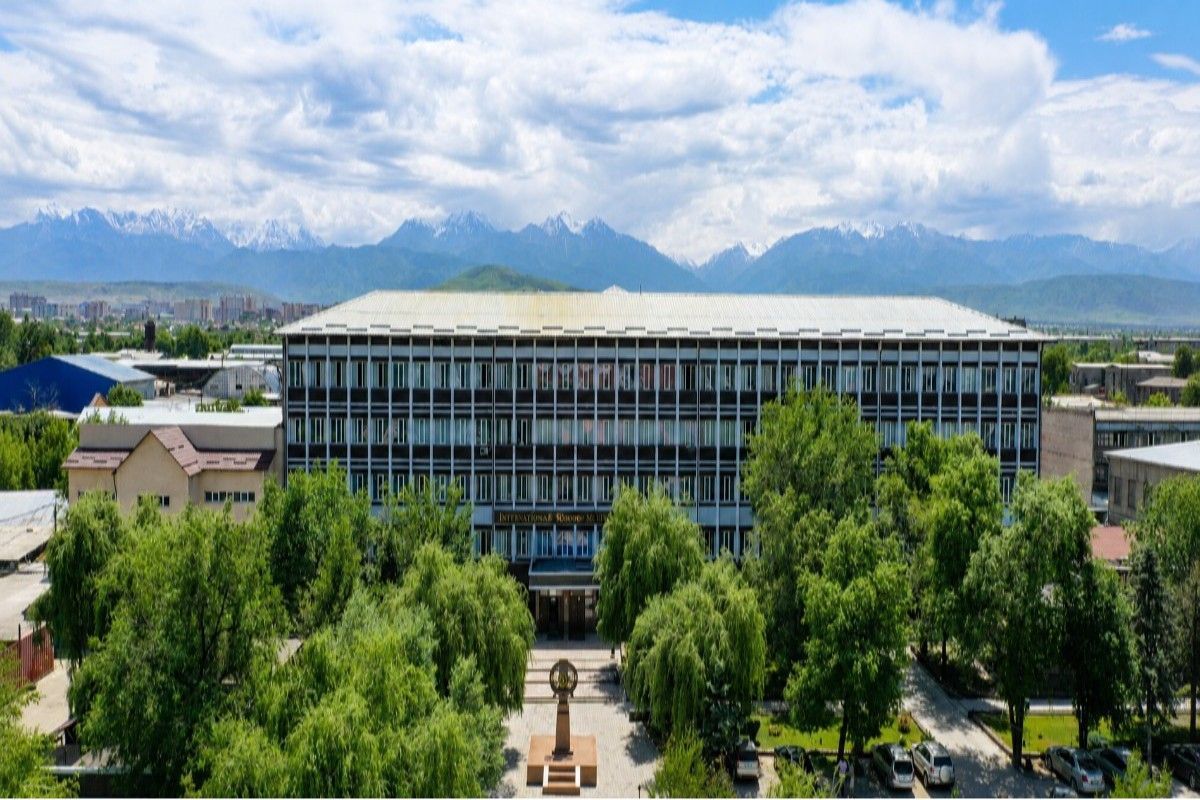
Explore fees, eligibility, and admission guidance for MBBS in International School of Medicine International University of Kyrgyzstan in Kyrgyzstan.
 Partner
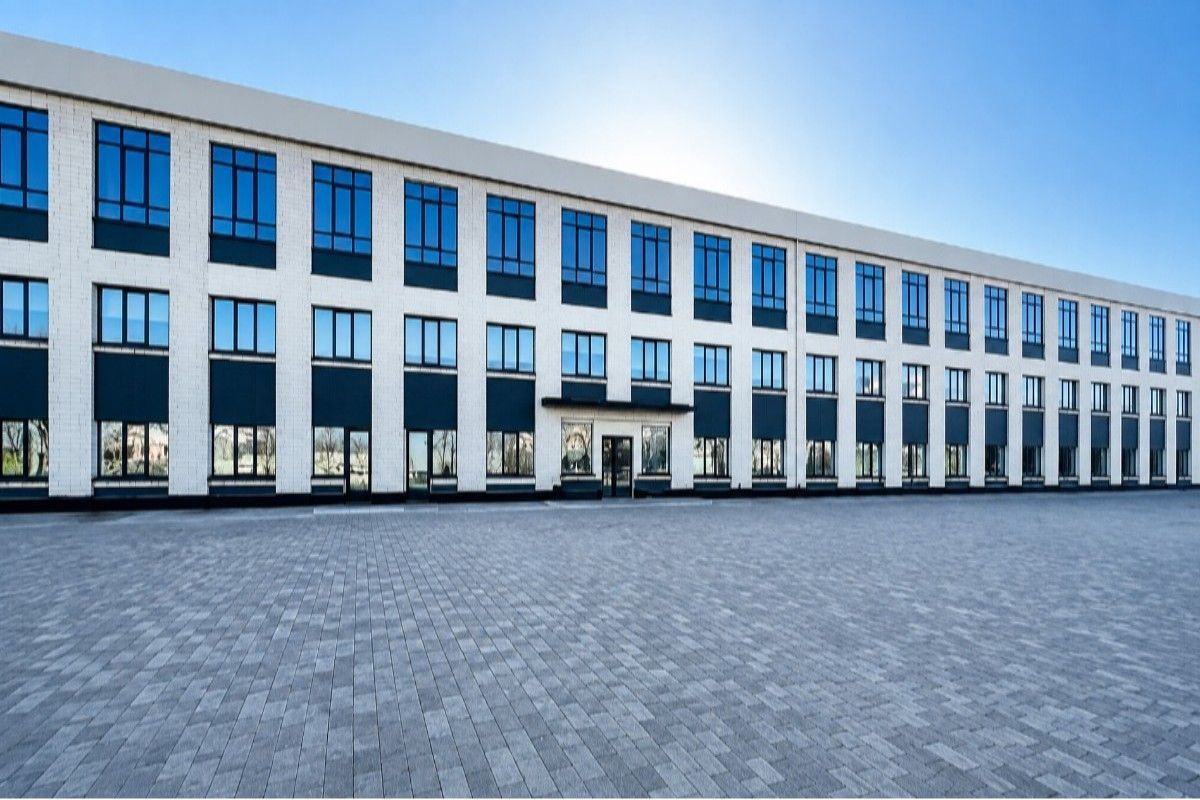
Explore fees, eligibility, and admission guidance for MBBS in Bishkek International Medical Institute in Kyrgyzstan.
 Partner
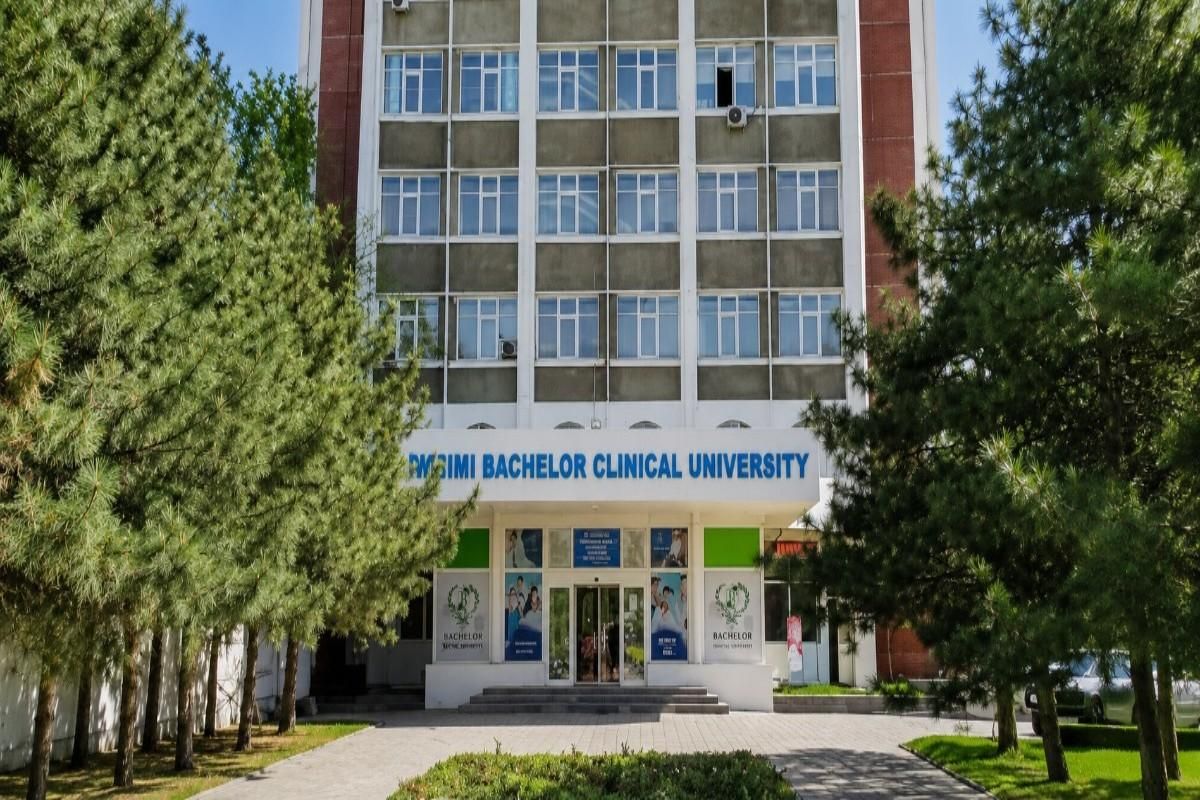
Explore fees, eligibility, and admission guidance for MBBS in Altamimi International University Altamimi Bachelor Clinical University in Kyrgyzstan.
 Partner
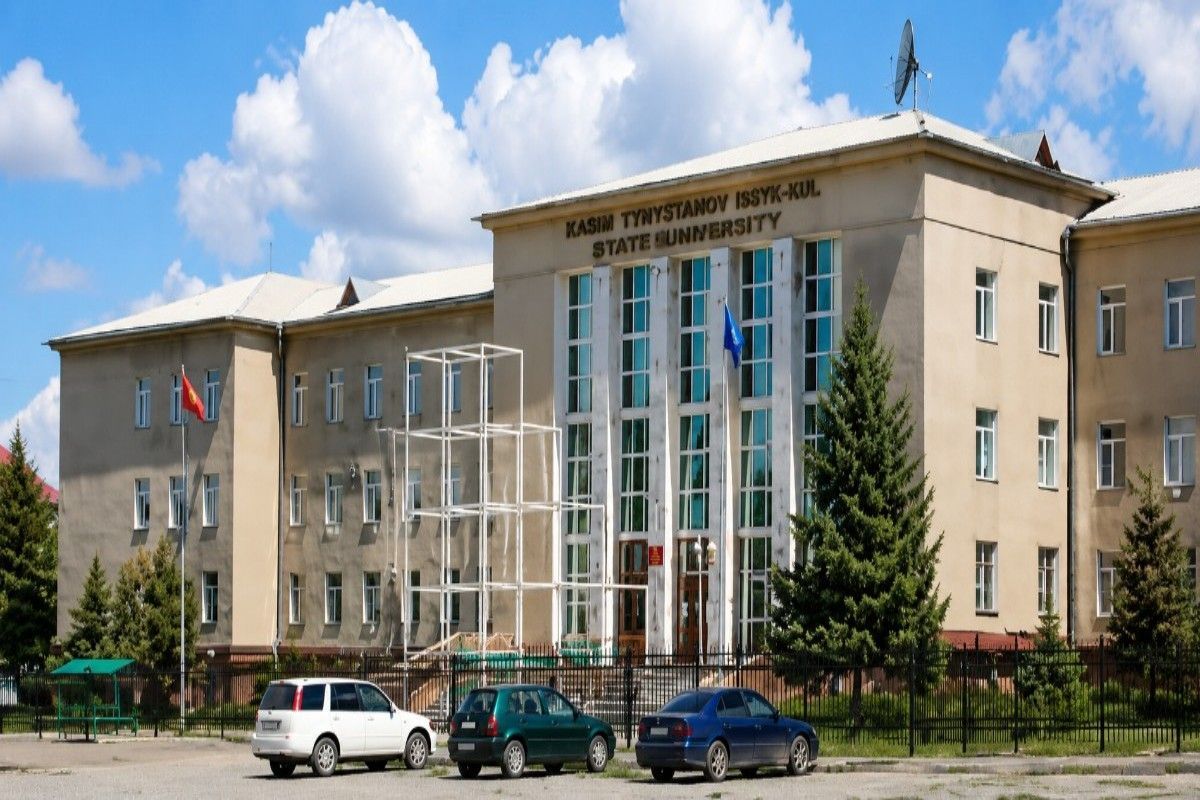
Explore fees, eligibility, and admission guidance for MBBS in Kasym Tynystanov Issyk-Kul State University Medical Faculty in Kyrgyzstan.
 Partner
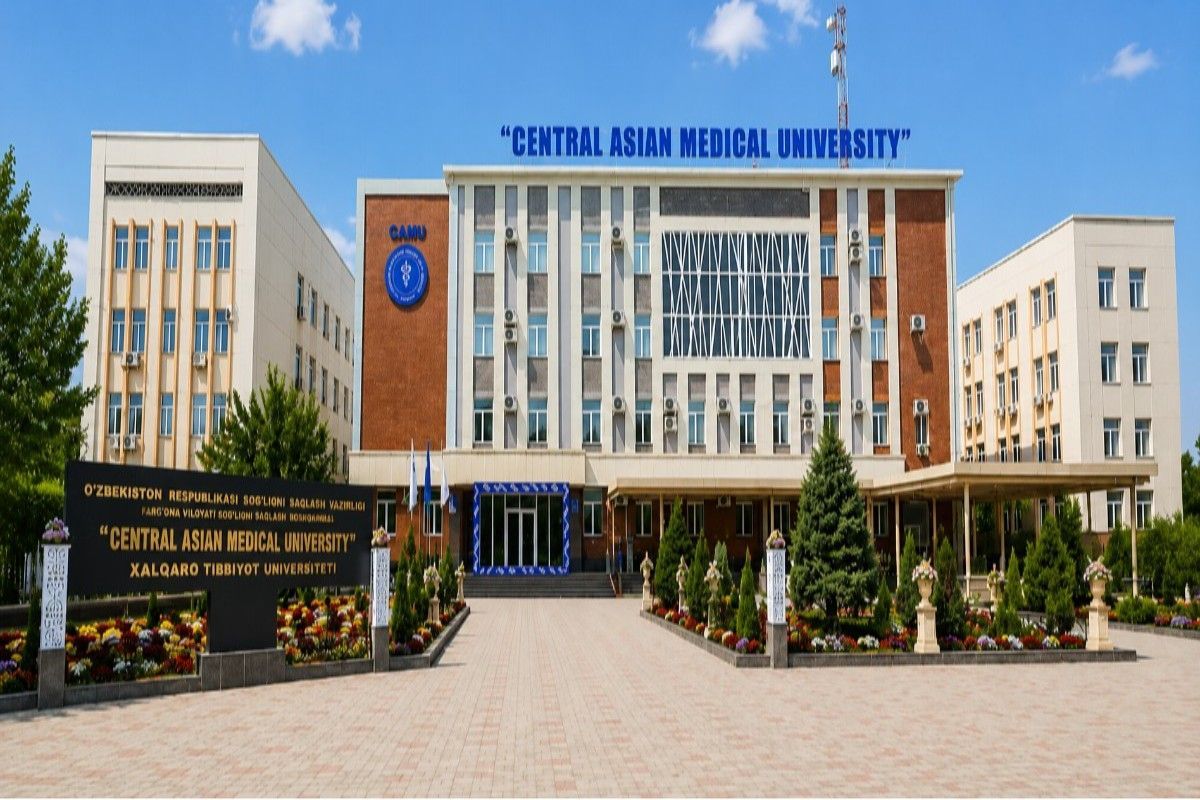
Explore fees, eligibility, and admission guidance for MBBS in Central Asian International Medical University in Kyrgyzstan.
Our team provides university-specific guidance and a full Kyrgyzstan context briefing at every intake. Book a free counselling session →
The fees depend on the university, programme and academic year. Students are advised to get an official year wise fee structure before admission.
It is important for the students to take a look at the present accreditation, length, curriculum, clinical exposure, medium of instruction and overall cost, and not just the reputation or advertising.
MBBS graduates are required to meet the relevant licensing and registration standards in India before they can practice medicine.
The Embassy of India describes Kyrgyzstan as friendly towards Indian nationals while advising students to exercise normal caution.
Potentially, but admission and licensing require their compliance with the regulations of the destination country.
Verify current accreditation, length of programme, availability of English medium courses, clinical training, internship, and full fee breakdown and adherence to relevant NMC guidelines.