 Partner
📍Georgia, Tbilisi
 Study destination: Georgia
Pursuing an MBBS in Georgia has become one of the most promising options for Indian students who wish to receive internationally recognized medical education without the skyrocketing fees of private medical colleges in Georgia.
Georgia brings together high European educational standards, English-language education, affordable fees, and excellent practical training in one package to become a medical education destination of choice for aspiring medical practitioners.
The educational system of Georgia is based on the European Credit Transfer and Accumulation System (ECTS), which allows students to receive education in accordance with international medical standards. Many universities of Georgia are included in the World Directory of Medical Schools (WDOMS), while Indian students should separately verify whether the specific program and course structure satisfy the applicable National Medical Commission requirements. Pasted markdown
Regardless of your plans to take an NExT exam in India, the USMLE exam in the USA, the PLAB exam in the UK, or to pursue higher studies in medicine in Europe, Georgia offers you a strong basis for your future career.
However, students should not select a university only because the fee looks affordable or because an agent recommends it. The complete course structure, clinical training, internship, medium of instruction, university status, accommodation and future licensing pathway should be checked before admission.
Georgia has become one of the top-growing MBBS abroad destinations in Europe in the past few decades. Hundreds of international students choose universities in Georgia each year due to their modern infrastructure, studies of European standard, and low cost of living.
Georgia provides English-medium MBBS (MD) programs for international students. Most programs designed specifically for international students are taught in English, making classroom learning more convenient for Indian students.
Many Indian students prefer to study MBBS in Georgia because tuition fees in Georgia are significantly lower than many private medical colleges. This allows students to complete their medical degree at a comparatively manageable cost.
Georgian universities are known to follow the Bologna Process and ECTS system. This provides a structured academic framework and makes academic credits more compatible across Europe.
Students receive practical training in affiliated hospitals during the clinical years. This allows them to understand patient care, clinical diagnosis and real-world medical practice alongside theoretical education.
Graduates may explore licensing pathways such as:
NExT or the applicable Indian licensing pathway
USMLE in the USA
PLAB or the applicable UK pathway
AMC in Australia
Eligibility for pursuing medical education in georgia also depends on the regulations of the destination country and university compliance.
Georgia is widely regarded as welcoming toward international students, particularly in cities such as Tbilisi and Batumi, where Indian student communities continue to grow.
One of the practical reasons students explore MBBS in Georgia is that regular university admission generally does not involve the donation or capitation structure commonly associated with some private medical education options.
The main advantages already highlighted in your Georgia draft include English-medium programs, affordable tuition, no donation, European ECTS-based education, modern hospitals, a student-friendly environment and international career opportunities. Pasted markdown
Georgia is located at the crossroads of Europe and Asia and has developed into an increasingly popular destination for international education.
For medical students, Tbilisi is the country's major educational centre, while Batumi is another popular student city.
Students comparing medical universities in Georgia should also compare cities carefully. Accommodation cost, transport, climate, hospital exposure and lifestyle may differ depending on where the university is located.
Georgia has its own distinctive culture, cuisine, traditions and social lifestyle.
International students studying there interact with Georgian students as well as learners from India and many other countries. This provides students with a multicultural environment beyond classroom education.
Universities also conduct student events, orientation programs, academic activities and cultural programs that can help new international students adjust gradually.
Georgia has a pleasant spring, warm summers, mild autumns and cold or snowy winters depending on the region. Students coming from India normally need some time to adjust during winter.
Warm clothing, jackets and proper footwear are useful during colder months. Climate should also be checked according to the university city because weather conditions are not identical throughout Georgia.
Food is an important concern for Indian students moving abroad.
Major cities such as Tbilisi and Batumi have Indian restaurants, grocery stores and supermarkets where students can find familiar ingredients.
Common options include:
North Indian food
South Indian dishes
Vegetarian food
Halal food
Indian spices
Rice and pulses
Fresh vegetables
Self-cooking facilities
Students who prefer home-style meals can use shared hostel kitchens or rented apartments.
Student life in Georgia is one of the reasons many international students enjoy their medical education journey.
Students can experience:
International student communities
Cafes and study spaces
Shopping centres
Sports activities
Cultural programs
Student clubs
University events
Academic conferences
Volunteering activities
Many universities also conduct orientation programs for international students.
Your original Georgia page separately covers student life, Indian food, accommodation, transportation and climate; these have been reorganized here to avoid repeating the same information later. Pasted markdown
Particular | Details |
Course Name | MD (Equivalent to MBBS) |
Duration | 6 Years |
Medium of Instruction | English |
Annual Tuition Fees | USD 4,000–8,000 |
Total Estimated Cost | ₹31–55 Lakhs |
Mandatory for Indian Students under applicable requirements | |
Generally Not Required | |
Recognition | WDOMS-listed universities; students should verify applicable NMC requirements |
Main Intake | September |
Secondary Intake | February at selected universities |
The original highlights section lists a six-year course, English medium, tuition of USD 4,000–8,000 and September as the main intake. Pasted markdown
The MBBS in Georgia course duration is generally 6 years including 1 year internship. Most medical universities in Georgia offer a single-cycle MD program with academic study, clinical training and practical rotations.
Indian students should confirm the exact internship and clinical structure before admission because NMC FMGL rules require the foreign medical course and internship to meet specific eligibility conditions.
Students should not assume that every university has exactly the same year-wise structure simply because the overall program is six years long.
Before admission, ask the selected university for:
Complete curriculum
Semester-wise course structure
Clinical rotation details
Internship structure
Affiliated hospitals
Medium of instruction
Eligibility for local medical registration
Most popular medical universities in Georgia for Indian students offer English-medium MBBS/MD programs.
Classroom lectures, academic material and examinations in international programs are generally delivered in English.
However, clinical interaction may be different because many local patients naturally communicate in Georgian.
Basic Georgian language learning can therefore help students during:
Patient history taking
Ward rounds
Clinical examinations
Patient communication
Everyday life
Students should always confirm in writing that they are joining the English-medium international medical program.
The main admission intake for MBBS in Georgia is commonly around September.
Some universities may also offer an additional or secondary intake in February, depending on their academic calendar and admission policy.
Students should avoid waiting until the last moment because documentation, university admission, visa procedures and travel planning may require time.
Annual MBBS Fees In Georgia generally range between approximately USD 4,000 and USD 8,000 depending on the university.
Living costs vary according to:
City
Accommodation
Food choices
Transportation
Personal lifestyle
A student may spend approximately USD 300–500 per month on living expenses depending on individual requirements.
The admission requirements are relatively straightforward compared to many other countries.
Students must generally fulfill the following conditions:
Complete 10+2 with Physics, Chemistry and Biology
Minimum 50% marks in PCB for General category and 40% for the SC, ST and OBC
Fulfill any additional academic requirements of the chosen university
NEET qualification is required for Indian students intending to pursue medical practice in India later.
Students should not confuse the absence of a separate Georgian entrance examination at some universities with the NEET requirement applicable to Indian students studying medicine abroad.
Students should generally complete at least 17 years of age(before 31st of December of the year of admission) according to applicable admission requirements.
Universities may ask for:
Passport
Class 10 certificate
Class 12 certificate
Academic transcripts
Medical fitness certificate
Passport-size photographs
Application form
Financial documents
Additional university-specific papers
The exact admission process can differ by university.
Some institutions may assess students through:
Document screening
Academic eligibility
Online interview
English proficiency interaction
Biology/Chemistry assessment where applicable
Students should check the current admission procedure directly for the university they are applying to rather than assuming the same process applies everywhere.
For an Indian student planning to study MBBS in Georgia and later seek medical registration in India, the relevant framework includes the NMC Foreign Medical Graduate Licentiate (FMGL) Regulations, 2021.
Some of the NMC requirements mentioned in your Georgia content include:
The foreign medical degree course must have a minimum duration of 54 months (4.5 Years).
The student should complete at least 12 months of internship (CRMI) as required under the applicable rules.
The foreign medical degree must be taught in the English language.
The course must include theory, practical and clinical training equivalent to the Indian MBBS curriculum.
Graduates should satisfy the applicable requirement relating to registration or licensure in the country where the qualification is awarded. Pasted markdown
This is why students should not choose a university only by looking at MBBS Fees In Georgia.
Before taking admission, verify:
Total course duration
Internship arrangement
Clinical training
Medium of instruction
Syllabus
Hospital affiliations
Local licensing eligibility
Applicable NMC requirements
Recognition should be checked carefully at both the university and medical program level.
Many universities in Georgia are included in WDOMS, but students should not interpret a WDOMS listing alone as automatic approval for medical registration in India.
Indian students should verify that the selected program's:
Duration
Curriculum
Medium
Clinical training
Internship
Local licensing pathway
are compatible with the requirements applicable to their admission year. Graduates planning to practice outside India may also need separate country-specific licensing pathways.
Examples include:
USA: USMLE
UK: Applicable GMC licensing pathway
Australia: AMC pathway
India: Applicable NMC registration/licensing pathway
Selecting a university is perhaps the most vital choice a student makes when aspiring for an MBBS degree in Georgia.
The country has several reputed medical universities offering English-taught programs, modern laboratories and clinical education opportunities.
Most medical colleges in Georgia are welcoming when it comes to international students and offer assistance during the study period.
Below are some major MBBS universities in Georgia commonly considered by international and Indian students.
University | City | Course Duration | Approx. Annual Tuition Fee | Medium |
Tbilisi | 6 Years | USD 8,000 | English | |
Tbilisi | 6 Years | USD 6,200 | English | |
Batumi | 6 Years | USD 4,500 | English | |
Tbilisi | 6 Years | USD 5,500 | English | |
Tbilisi | 6 Years | USD 5,500 | English | |
Tbilisi | 6 Years | USD 5,500 | English | |
Tbilisi | 6 Years | USD 7,000 | English | |
Tbilisi | 6 Years | USD 6,000 | English |
Fees are approximate and may vary depending on the academic session.
The university list, cities and indicative fees above come from your existing Georgia draft and have been retained rather than replaced. Pasted markdown
Students looking for MBBS admission in Georgia often prioritize universities that combine academic quality with affordability.
Common features include:
Experienced international faculty
Advanced anatomy and simulation labs
Hospital-based clinical rotations
Indian food availability nearby
Student-friendly campus environment
Modern classrooms with digital learning
Globally recognized medical education
These factors make Georgia one of the destinations students consider while planning MBBS abroad.
Students from various parts of the world decide to pursue their MBBS course in Georgia because it has an affordable fee structure.
However, students should calculate more than tuition alone.
Annual tuition generally ranges from:
USD 4,000–8,000
depending on the university.
Hostel costs depend on:
University
City
Type of room
Number of students sharing
Facilities provided
Indicative hostel costs may range from USD 800–1,500 per year.
Food expenses may be around:
USD 120–180 per month
depending on whether the student cooks, uses a mess or eats outside.
International students may need medical or health insurance according to university and immigration requirements.
Approximate planning cost:
USD 100–250
Students should also budget for immigration, residence-related documentation or visa-related costs wherever applicable during their course.
Additional expenses may include:
Registration
Administrative charges
Documentation
Medical examination
Laboratory charges
Study material
Translation
Notarisation
Student services
Expense | Approximate Cost |
Tuition Fee Per Year | USD 4,000–8,000 |
Hostel Fee Per Year | USD 800–1,500 |
Food Expenses | USD 120–180 per month |
Health Insurance | USD 100–250 |
Visa & Documentation | USD 200–500 |
MBBS in Georgia Total Cost | ₹31–55 Lakhs approximately |
The overall expense depends on the university selected, accommodation type and lifestyle. Pasted markdown
This is why MBBS in Georgia total cost should not be treated as one fixed amount.
Generally students search for low-cost MBBS abroad.
Due to this reason, they often find Georgia to be an excellent balance that provides both quality education at an affordable price.
Some budget-friendly universities listed in your page include:
Batumi Shota Rustaveli State University
Caucasus International University
European University Georgia
Georgian National University SEU
Students should still compare clinical training, program structure and total expenses rather than choosing only on tuition fees.
Most medical universities provide or facilitate accommodation for international students. Typical facilities may include:
Fully furnished rooms
Heating facilities
Laundry services
Shared kitchens
24/7 security
CCTV surveillance
Common recreation areas
Shared accommodation options
Students can generally choose between university hostels, private hostels and shared apartments.
Accommodation Type | University Hostel | Private Hostel | Shared Apartment |
Approximate Annual Cost | USD 800–1,200 | USD 900–1,400 | USD 800–1,000 |
Students should confirm rent, security deposit, utility charges and distance from the university before choosing private accommodation.
Indian students in Georgia can usually manage food through:
Indian restaurants
Local restaurants
University or private mess facilities where available
Hostel kitchens
Supermarkets
Grocery stores
Common food options may include:
North Indian food
South Indian food
Vegetarian meals
Non-vegetarian meals
Halal food
Indian spices
Home-style cooking
Students should not assume that every university has a dedicated Indian mess. It is better to check food facilities for the specific hostel and city before finalizing admission.
Besides affordable tuition fees, Georgia is known for comparatively manageable living expenses.
A student can manage monthly expenses comfortably with proper budgeting.
Expense | Monthly Cost |
Accommodation | USD 100–250 |
Food | USD 120–180 |
Transportation | USD 20–40 |
Internet | USD 10–20 |
Miscellaneous | USD 40–80 |
Students generally spend around USD 300–500 per month depending on their lifestyle. Pasted markdown
Students should also maintain a separate budget for:
Clothing
Study material
Personal care
Occasional travel
Entertainment
Medical expenses
Emergency expenses
Although full scholarships for international MBBS students are relatively limited, several universities may provide financial support through merit-based programs and tuition concessions.
Possible opportunities include:
Merit-based scholarships
Academic excellence awards
University tuition discounts
International student grants
Performance-based fee reductions
Students should check the university's official scholarship conditions because eligibility may depend on academic performance.
Students should make travel arrangements after university admission and the required visa or immigration procedures are completed.
International travel from India may originate from cities such as:
Delhi
Mumbai
Bengaluru
Chennai
Other major international airports
Flight availability, transit routes and fares can change, so students should verify current schedules before booking.
Students normally travel through airports serving major Georgian cities, depending on their final destination.
Students studying in Tbilisi generally plan their arrival according to the capital city, while students studying in Batumi may choose the most suitable international or connecting route.
After reaching Georgia, students can use:
Metro in applicable cities
City buses
Minibuses
Taxis
Airport transfers
University-arranged transport where available
Students travelling for the first time should confirm airport pickup and hostel transfer before departure.
One of the distinguishing features of Georgia is its strong and efficient public transportation system.
Students can use:
Metro
City buses
Mini buses
Taxis
Walking-friendly neighbourhoods
The exact transport network depends on the city.
Public transportation can help students reduce day-to-day travel costs when compared with relying only on taxis.
Tbilisi is the educational hub of Georgia.
Highlights include:
Major medical universities
Clinical exposure opportunities
Public transportation
Indian restaurants
International student community
Vibrant student life
Batumi offers a relatively peaceful environment near the Black Sea.
Students may consider Batumi because of:
Affordable living costs
Beautiful surroundings
Growing medical education infrastructure
Comfortable accommodation facilities
Students should choose a city according to the university rather than choosing the city first and the medical program later.
Medical education does not need to be limited to lectures and exams.
International students may participate in:
Sports
Fitness activities
Student clubs
Cultural events
University societies
Academic conferences
Volunteering
Student festivals
International events
Such activities can help students interact with classmates and adjust better to a new country.
Many students compare Georgia with private medical colleges before making a final decision.
Feature | MBBS in Georgia | Private MBBS in India |
Tuition Cost | Affordable | Often Higher |
Donation | No | May Apply |
Medium | English | English |
International Exposure | High | Limited |
European Curriculum | Yes | No |
Clinical Training | Modern Hospitals | College Hospitals |
Students planning an international medical career often appreciate the global exposure available in Georgia, while those intending to practice in India should ensure they choose universities that comply with applicable NMC regulations.
Country | Approx. Tuition/Year | Cost of Living | Medium | NEET for Indian Students | Climate | Clinical Exposure |
Georgia | 4,000–8,000 | Moderate | English | Required for Indian students intending to follow the Indian licensing pathway | Mild to cold winters | Good, university-dependent |
4,000–7,000 | Moderate | English / bilingual depending on university | Required for Indian eligibility/licensing pathway | Very cold | Strong in established universities | |
3,000–5,000 | Low | English in selected programs | Required for Indian eligibility/licensing pathway | Cold winters | Moderate to good | |
3,500–5,500 | Low | English in selected programs | Required for Indian eligibility/licensing pathway | Cold winters | Moderate to good | |
4,000–6,500 | Moderate | English in selected programs | Required for Indian eligibility/licensing pathway | Very cold | Good in established institutions | |
2,500–5,500 | Low | English in selected programs | Required for Indian eligibility/licensing pathway | Cold winters | Growing | |
4,000–6,000 | Low to moderate | English | Required for Indian eligibility/licensing pathway | Similar to Indi |
The MBBS curriculum provided in Georgia aims to provide both solid theoretical knowledge and practical skills to the students.
The six-year training program gradually moves students from basic biomedical sciences toward advanced clinical training.
Academic Year | Major Subjects |
First Year | Anatomy, Physiology, Biochemistry, Medical Terminology |
Second Year | Histology, Microbiology, Pathology, Pharmacology |
Third Year | General Medicine, Pathophysiology, Immunology |
Fourth Year | Surgery, Pediatrics, Obstetrics & Gynecology |
Fifth Year | Psychiatry, Dermatology, ENT, Ophthalmology |
Sixth Year | Clinical Internship, Emergency Medicine, Practical Training |
Throughout the course, students gain exposure to:
Human Anatomy
Clinical Diagnosis
Medical Ethics
Emergency Medicine
Community Medicine
Surgery Techniques
Patient Communication
Evidence-Based Medicine
The year-wise syllabus and key learning areas above have been retained from your original Georgia content. Pasted markdown
One of the strongest advantages of studying MBBS in Georgia is the emphasis on practical clinical education. During the later years of the course, students receive hospital-based training under medical professionals. Practical training in Georgia may include:
Hospital ward rotations
Patient case discussions
Emergency department exposure
Clinical examinations
Surgical observation
Laboratory diagnostics
Medical simulation training
Students may also develop skills in:
Patient assessment
Clinical communication
Diagnostic reasoning
Prescription fundamentals
Emergency response
Team-based healthcare
Many universities work with hospitals where students experience real healthcare environments before graduation. Pasted markdown. However, the level of direct patient interaction can differ from one university to another.
Students should therefore ask:
Which hospitals are affiliated?
When do clinical rotations begin?
How much bedside exposure is provided?
What language is commonly used with patients?
How is internship or equivalent clinical training structured?
There are several advantages of studying MBBS in Georgia, some of the major advantages are listed below:
International MD programs are commonly available in English.
Georgian universities use a European-style ECTS-based academic framework.
The MBBS Fees In Georgia can be lower than the overall cost of many private medical education options.
Students may have access to simulation laboratories, digital classrooms and modern teaching facilities.
Medical programs include practical and hospital-based clinical education.
Students from different countries study together in Georgian universities.
Students can compare universities according to:
Fee
City
Curriculum
Clinical exposure
Hostel
Teaching model
Graduates may explore different licensing or postgraduate pathways depending on their eligibility and the rules of the destination country.
Below we have listed the major things Indian students should consider before choosing georgia for pursuing their medical education:
A low tuition fee does not automatically mean the university is the right choice.
Confirm that your specific medical program is taught in English.
Students should check the regulatory requirements applicable to their admission batch rather than relying on generic claims.
Verify exactly how internship or equivalent practical training is provided.
Check where, when and how hospital training is conducted.
The students should compare following things:
Accommodation
Food
Climate
Transportation
Living expenses
Calculate:
Tuition + accommodation + food + insurance + documentation + travel + personal expenses
Currency exchange rates and living expenses may change during the six-year course.
Even when the academic program is in English, basic Georgian can make everyday life and patient communication easier.
Trusting a blanket "NMC approved" claim instead of checking the specific university and medical program's WDOMS listing and current eligibility requirements
Assuming NEET is not important for MBBS in Georgia, instead of understanding its relevance for Indian students planning to practise in India
Not confirming whether the entire medical program is taught in English, especially during clinical rotations and hospital training
Comparing only the tuition fee and ignoring hostel, food, insurance, residence permit, travel, and other living expenses
Not verifying whether the course structure, clinical training, and internship meet the applicable NMC Foreign Medical Graduate requirements
Choosing a university only because it has a lower fee without checking teaching quality, affiliated hospitals, clinical exposure, and student support
Ignoring admission deadlines, documents required for MBBS in Georgia, and residence permit procedures until the last moment
Not asking for the university's official fee structure, refund policy, and payment schedule in writing before transferring money
Assuming every Georgian medical university offers the same level of clinical exposure and hospital access
Choosing a university purely on an agent's recommendation without independently checking the university, program, recognition, and eligibility conditions
These points are retained from your existing Georgia draft and are now positioned under the decision-making section instead of being repeated elsewhere. Pasted markdown
Completing an MBBS degree from Georgia opens different career routes, but graduates need to satisfy the licensing requirements of the country where they wish to practise.
Indian graduates completing MBBS in Georgia can become eligible to practise in India after meeting the applicable National Medical Commission regulations and licensing requirements.
Students should understand that a foreign medical qualification does not itself guarantee automatic medical registration in India.
The pathway may depend on:
Admission year
Applicable NMC rules
Degree structure
Internship
Foreign country registration/licensing eligibility
Examination requirements in India
After completing the primary medical qualification, graduates may pursue postgraduate education subject to the admission and licensing requirements of the chosen country.
Possible areas include:
General Medicine
Surgery
Pediatrics
Cardiology
Orthopedics
Neurology
Dermatology
Radiology
Psychiatry
Anesthesiology
Students can also explore postgraduate or licensing pathways abroad.
Graduates from eligible medical schools may explore the USMLE and relevant ECFMG pathway.
Students may pursue the applicable UK registration pathway subject to current GMC requirements.
Graduates may explore the relevant AMC pathway.
A medical degree from Georgia does not automatically provide a licence to practise in another country. Credential verification, examination, language and registration requirements may still apply.
This is one of the most searched questions among Indian students. Indian graduates who complete MBBS in Georgia can become eligible to practice in India by fulfilling the applicable National Medical Commission regulations, including the applicable licensing requirements and graduating from an eligible medical program.
Important factors include:
NEET qualification
Appropriate foreign medical course
Prescribed course duration
Clinical training
Internship requirement
Applicable licensing examination
Registration requirements
Students should evaluate these points before admission, not after completing the degree.
One of the biggest advantages of pursuing MBBS in Georgia is its relatively straightforward admission procedure.
The recommended country-page structure places the full admission process near the end of the page, after students have already understood universities, fees, clinical exposure and career implications. Recommended Country Page Seque…
Compare universities according to:
Program
Fees
Medium
Clinical training
City
Hostel
Eligibility
NMC compatibility
Complete the university application process by providing academic documents and passport details.
You can apply to study MBBS in Georgia with the help of AMW Career Point.
After successful document verification, eligible students receive an admission or offer letter.
Pay the required initial university or registration fee through the official or authorised channel.
Complete the university and immigration documentation required for further processing.
Students should complete the applicable visa or entry documentation after receiving university confirmation.
Travel arrangements should be made only after admission and immigration requirements are complete.
After arrival, students may complete:
University registration
Accommodation formalities
Medical procedures where required
Local administrative requirements
Orientation
Preparing your documents required for mbbs in Georgia carefully can help avoid delays during admission and visa processing.
Students may need:
10th Marksheet
12th Marksheet
NEET Scorecard
Valid Passport
Passport-size Photographs
Birth Certificate
PAN Card
Aadhaar Card
Medical Fitness Certificate
Police Clearance Certificate if required
Admission Letter
Financial Proof where applicable
University application forms
Other university-specific documents
Keep multiple photocopies
Carry scanned digital copies
Check spellings across all documents
Ensure the passport remains valid
Verify university-specific requirements
Keep payment receipts
Store university correspondence safely
Incorrect or incomplete documentation can cause unnecessary delays.
Depending on the applicable Georgian visa and immigration procedure, students may need:
Valid passport
Visa application form where applicable
Passport-size photograph
University admission documents
Financial proof
Accommodation details
Medical/insurance documentation where applicable
Fee-payment proof
Other documents requested by the relevant authority
Students should always refer to the current official visa requirements rather than relying on an old checklist.
Explore active university options with fee, duration, and accreditation details before you shortlist your preferred campus.
PartnerChoose the right country, shortlist the right university, and understand your next steps with one clear plan built around your NEET score and budget.
Arrange a free counselling sessionMBBS in Uzbekistan 2026-27: Fees, Universities, NMC Advisory & Everything Else Nobody Tells You Upfront
Lowest-Cost NMC-Compliant MBBS Abroad | English Medium | No Donation | ₹15-35 Lakh Total | National FMGE Average 25%
MBBS in Russia 2026 Affordable Fees, NMC-Compliant Universities & Global Recognition
MBBS in Belarus 2026-27: Fees, Universities, Eligibility, Admission & NEET
MBBS in Bulgaria: Fees, Top Medical Universities, Admission & Eligibility 2026–27
Graduates from eligible Georgian medical universities can become eligible to practice in India after meeting the applicable NMC regulations and licensing requirements.
The MBBS in Georgia course duration is generally six years, including academic and clinical training according to the university curriculum.
Indian students must satisfy the applicable NEET requirement when planning foreign medical education and future registration in India.
The annual MBBS Fees In Georgia generally ranges between USD 4,000 and USD 8,000 depending on the university.
Expert will call you within 2 hours
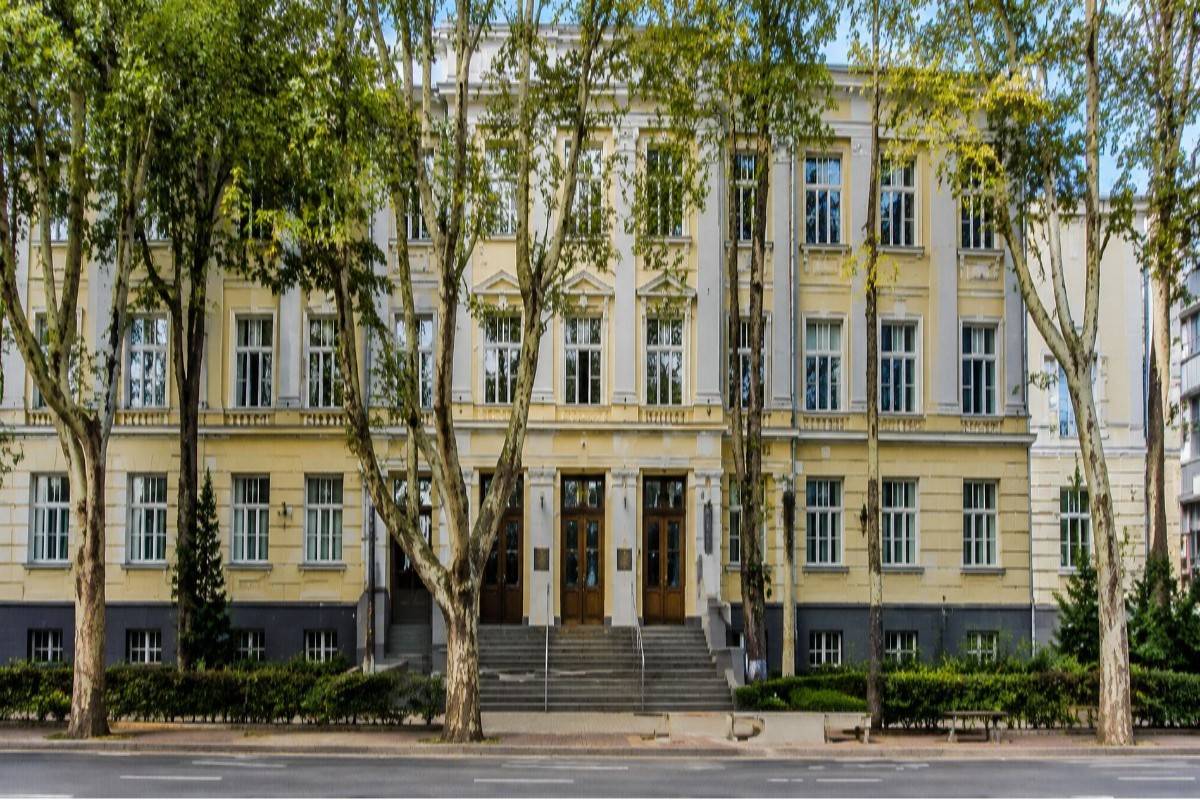
Explore fees, eligibility, and admission guidance for MBBS in International University of Tbilisi School of Health Georgia in Georgia.
 Partner
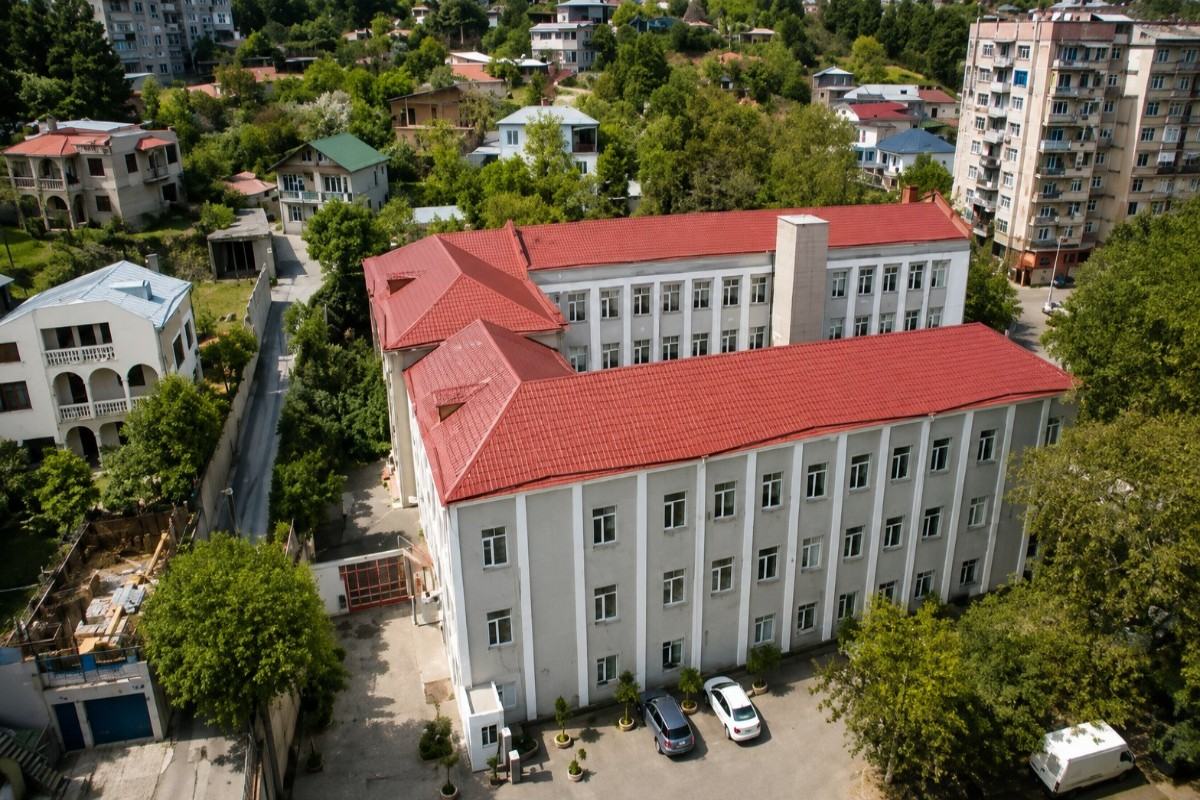
Explore fees, eligibility, and admission guidance for MBBS in University Geomedi LLC Faculty of Medicine in Georgia.
 Partner
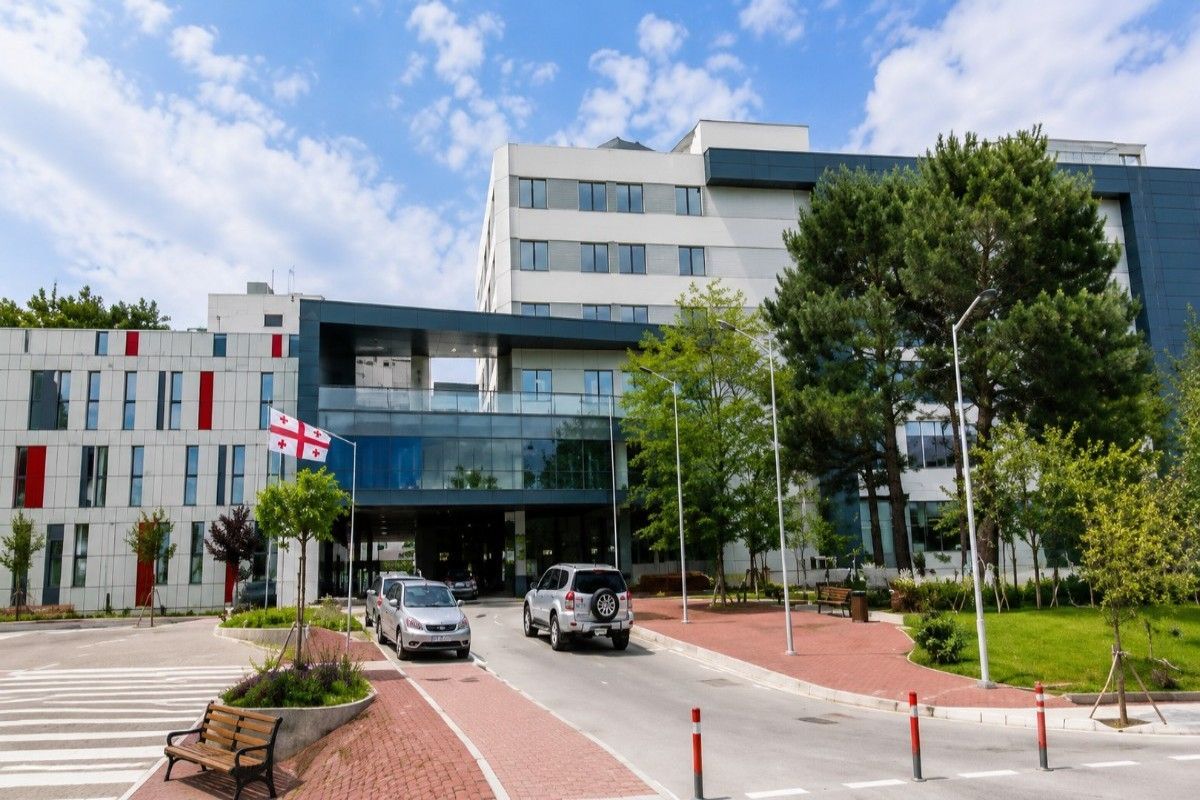
Explore fees, eligibility, and admission guidance for MBBS in Ken Walker International University Faculty of Medicine and Stomatology in Georgia.
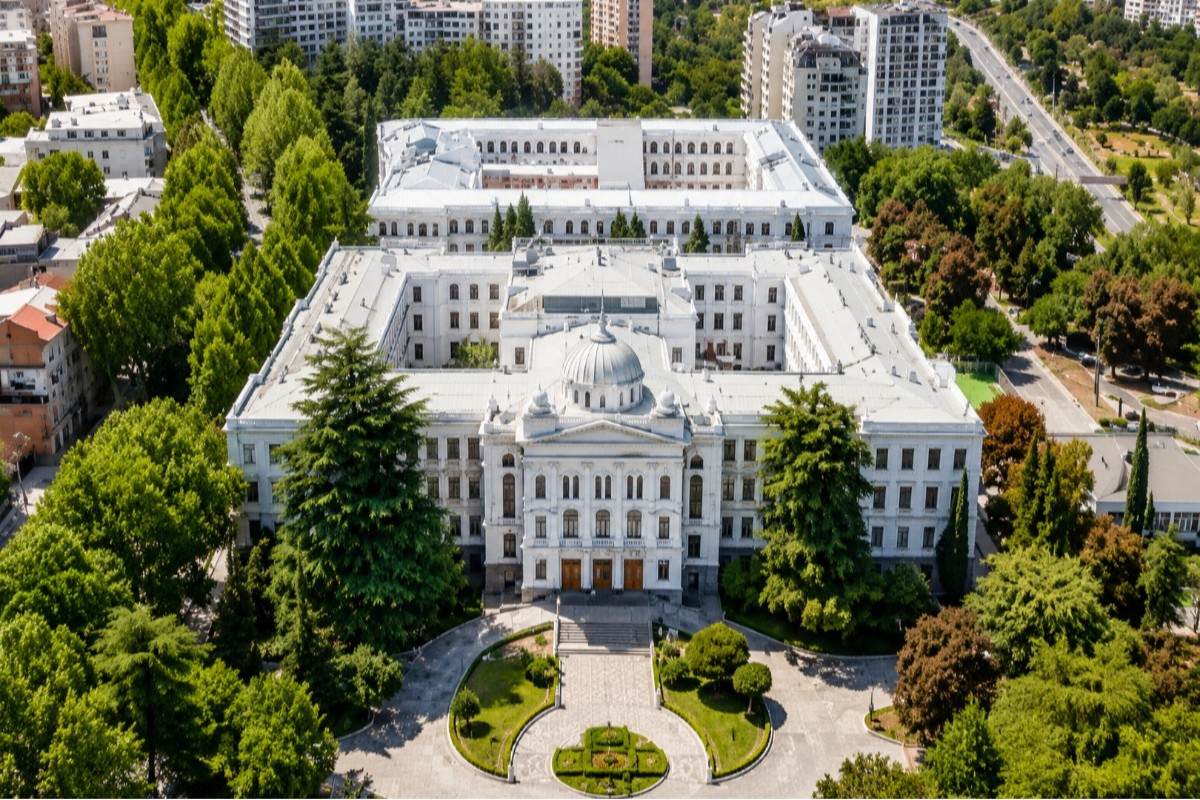 Partner
Explore fees, eligibility, and admission guidance for MBBS in Ivane Javakhishvili Tbilisi State University in Georgia.
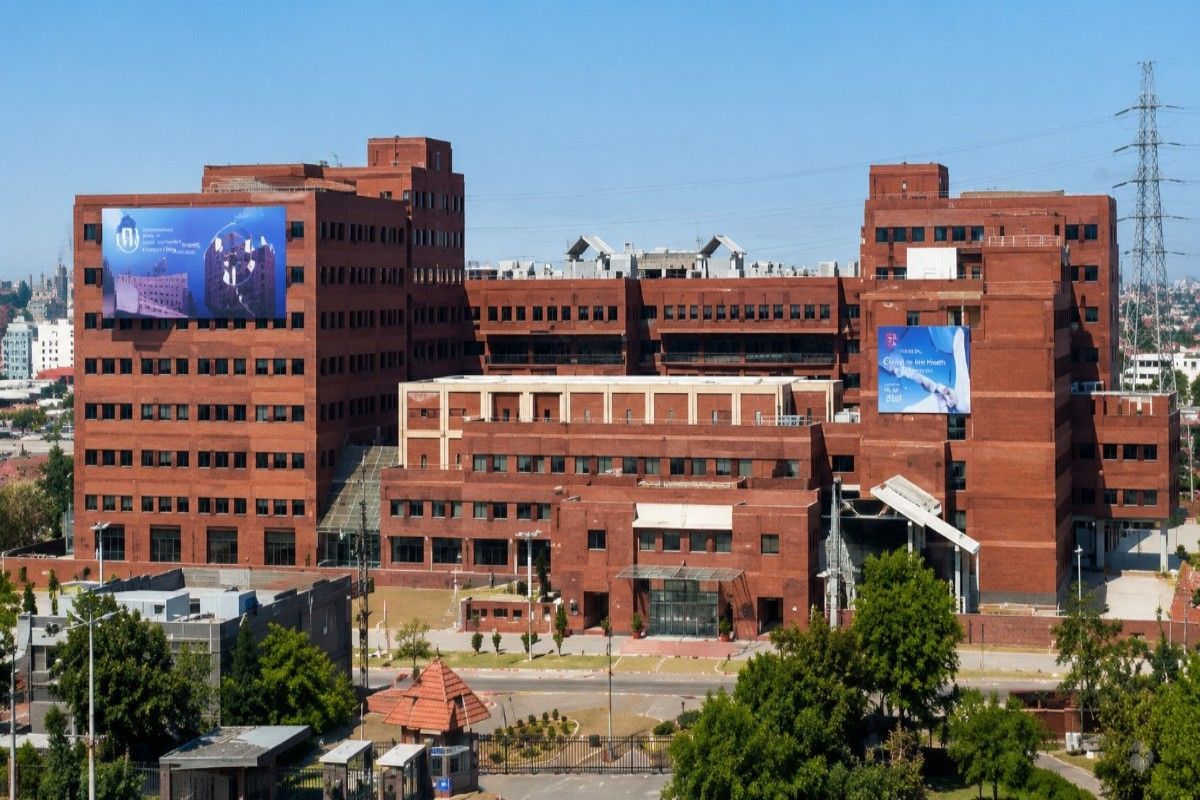 Partner
Explore fees, eligibility, and admission guidance for MBBS in East-West University School of Medicine in Georgia.
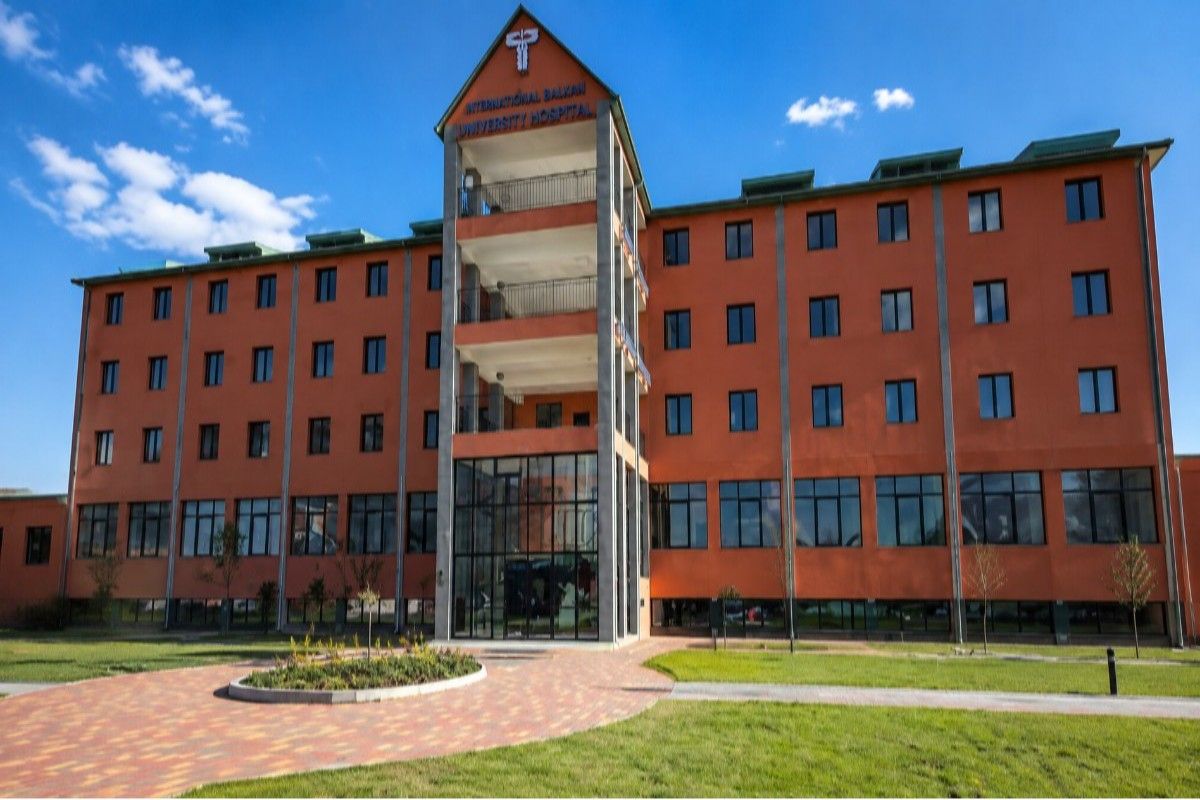 Partner
Explore fees, eligibility, and admission guidance for MBBS in David Aghmashenebeli University of Georgia Faculty of Medicine in Georgia.
Our team provides university-specific guidance and a full Georgia context briefing at every intake. Book a free counselling session →
The MBBS in Georgia total cost may be approximately ₹31–55 lakh depending on the university, accommodation, food, insurance and personal expenses.
Most universities offering English-medium programs generally do not require IELTS or TOEFL, but students should confirm the requirement for the specific university.
Georgia is considered a student-friendly destination, but students should follow normal safety precautions and university guidance.
Tbilisi is a popular choice because of its universities, transport and international student community. Batumi is another major student destination.
Some universities may provide merit-based scholarships, tuition discounts or performance incentives.
Many international medical programs are offered in English. Students should confirm the exact medium for their selected university.