The Medical University of Vienna, known widely as MedUni Vienna, is one of the oldest and most respected medical universities in the world. It was founded in 1365. At that time, it was set up as the Medical Faculty of the University of Vienna by Rudolf IV, Duke of Austria. For more than six and a half centuries, it has trained physicians, scientists, and researchers. These graduates have shaped medicine globally, not just in Austria. In 2004, it became an independent university, separate from the University of Vienna. Since then, it has grown into Austria's largest and most prominent medical institution. Few medical schools anywhere can point to such a long and continuous history.
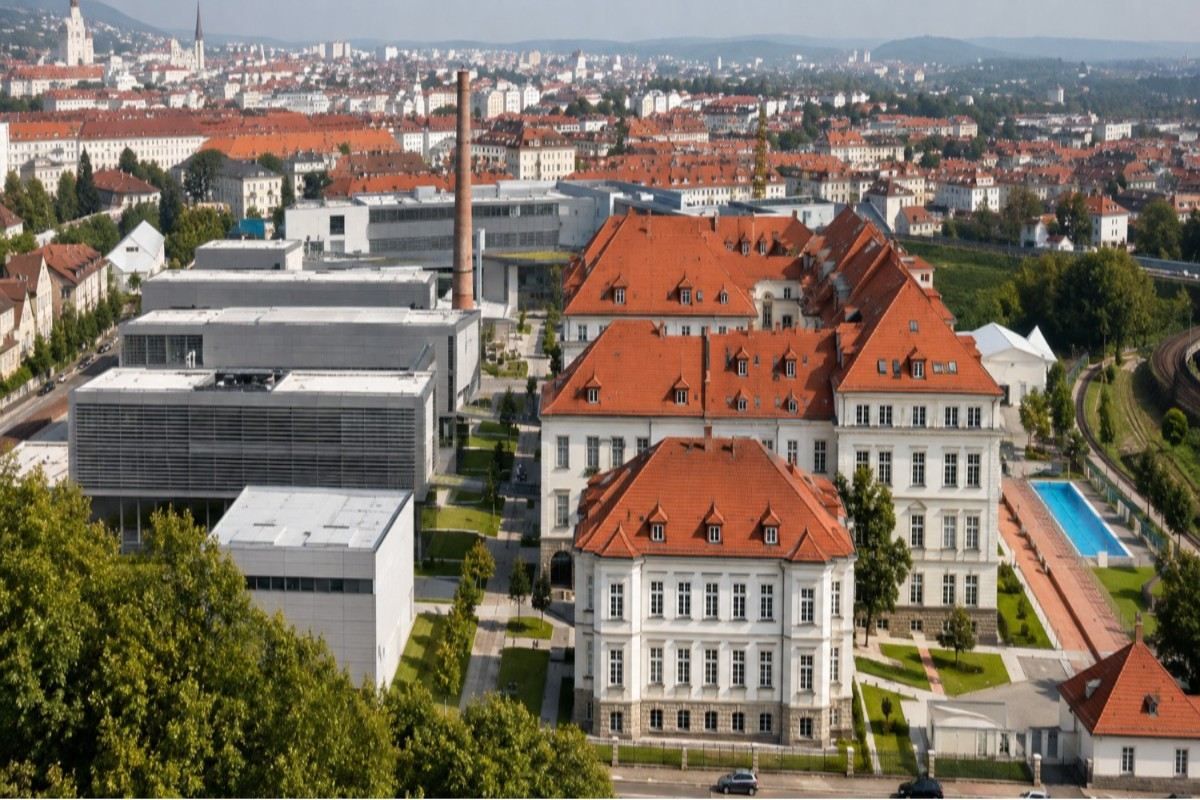
The university is located in the 9th district of Vienna. It is directly integrated with the Vienna General Hospital, known locally as the Allgemeines Krankenhaus or AKH. This is not a regular teaching hospital. The AKH is one of the largest hospitals in Europe. It has over 100,000 square metres of clinical space. It handles more than 60,000 inpatient cases and 500,000 outpatient visits every year. Around 45,000 operations are performed annually within its walls. Those numbers are genuinely huge, and they show just how busy and varied this hospital really is. MedUni Vienna provides the entire medical workforce for the AKH. This means students train inside a live, high-volume tertiary care hospital from the early clinical years. You are not commuting to a placement site. You are embedded in it, right from the start.
The academic reputation of MedUni Vienna is exceptional and well-documented. In the Times Higher Education World University Rankings 2026, it sits at position 181 globally. This makes it one of the top 200 universities in the world. In the QS World University Rankings by Subject 2026, it is placed in the top 51–100 globally for Medicine. That puts it firmly among Europe's leading medical schools. It is a full member of the European University Association. It is also widely regarded as the top medical university in Austria, by a considerable margin. These are not small or borderline rankings; they place MedUni Vienna in genuinely elite company.
Research is not a sideline activity at MedUni Vienna. It is central to everything the university does. The institution employs over 6,000 staff. More than 4,200 of them are in academic and research roles. Key research areas include oncology, cardiovascular medicine, neuroscience, transplantation medicine, immunology, and medical imaging. The AKH is the third-largest lung transplant centre in the world. It is also a leading global centre for heart transplantation and cochlear implant development. Several Nobel Prize winners in Physiology or Medicine have been associated with the institution. These include names like Karl Landsteiner, who discovered blood groups, and Julius Wagner-Jauregg, a pioneer in neuropsychiatry. That kind of legacy is rare, and it still shapes the research culture today.
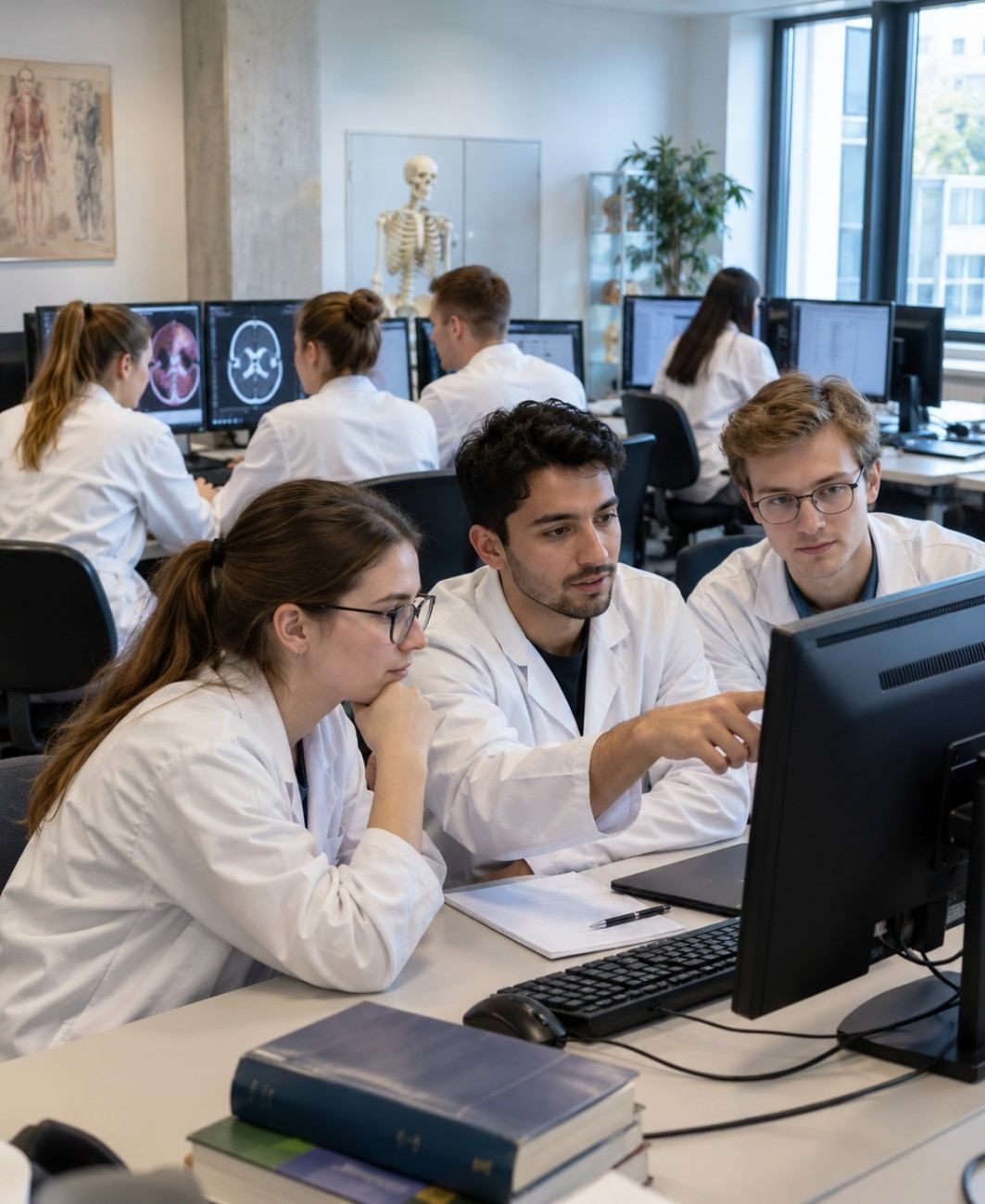
The six-year Human Medicine degree programme at MedUni Vienna is taught in German. This is the most significant practical consideration for international and Indian students. The curriculum is structured across three phases. The first phase covers two semesters of foundational biomedical sciences. The second phase spans six semesters of integrated pre-clinical and early clinical training. The third phase consists of four semesters of intensive clinical work. This includes 18 weeks of clerkship and a 48-week supervised Clinical Practical Year, known as the KPJ. The third phase is spent in the wards and clinics of MedUni Vienna's affiliated hospitals. Students work directly under consultant supervision, as a genuine part of the medical team rather than as observers.
The degree awarded is the Dr. med. univ. This is the Austrian and German medical doctorate, equivalent to the MBBS or MD in other systems. It is fully recognised under the EU Professional Qualifications Directive 2005/36/EC. This gives graduates the right to practise medicine across all 27 EU member states without additional licensing examinations. For Indian students, MedUni Vienna is currently listed in the World Directory of Medical Schools (WDOMS). This listing is a prerequisite for NMC/NExT eligibility verification in India, so it matters a great deal for anyone planning to return home after graduating.
One of the most striking aspects of MedUni Vienna is the tuition fee structure. Austria operates a near-free public university system. EU and EEA students pay only the student union (ÖH) fee of approximately €25.20 per semester. That works out to around €50 per year. Non-EU international students, including Indian students, pay a tuition fee of €726.72 per semester. This amounts to approximately €1,453 per year, or roughly ₹1.3 lakh per year. For a world-ranked, EU-accredited medical degree, this is one of the most affordable options in all of Europe. The trade-off is German language proficiency. This must reach B2 level before admission, and C1 by the time full clinical training begins. This is a genuine requirement, not a checkbox, and it deserves serious advance planning.
Vienna itself is one of the most liveable cities in the world. It consistently ranks at or near the top of global quality-of-life indices. The city has excellent public transport, low crime rates, and a rich academic and cultural environment. It is compact, safe, and well-organised. Student accommodation is available through Studierendenheime, which are student halls, and through shared apartments. The city's cost of living is higher than Eastern Europe, but it is still moderate by Western European standards. For students willing to commit to learning German and to meeting MedUni Vienna's competitive entrance requirements, this university offers a quality of medical education that very few institutions anywhere in the world can match. The combination of low tuition, strong rankings, and direct access to one of Europe's busiest hospitals is genuinely hard to beat, and it explains why so many ambitious students continue to choose Vienna over flashier but less substantial alternatives. For Indian students weighing options across the EU, MedUni Vienna offers a rare set of advantages all at once: a degree with centuries of history behind it, near-zero tuition fees, and hands-on training inside one of the busiest hospitals in Europe. The German language requirement is real work, and it shouldn't be brushed aside. But for students who put in that early effort, the payoff is a world-class medical education at a price that very few other countries can match.