 Partner
📍Germany, Rostock
 Study destination: Germany
MBBS in Germany offers Indian students an opportunity to pursue medical education in Europe through established universities, modern teaching hospitals and research-based clinical training.
For MBBS in Germany for Indian students (2026–27), important considerations include MBBS in Germany fees, NEET eligibility, German-language proficiency, Studienkolleg, university admission, clinical training and medical licensing.
The standard German medical programme lasts approximately 6 years and 3 months, including a 48-week practical year. It leads to the German medical State Examination (Staatsexamen), rather than an MBBS degree.
Before admission, Indian students should verify the NMC FMGL Regulations, 2021, particularly English-medium instruction, foreign internship requirements and eligibility for medical registration in India.
Germany attracts international medical students through its established universities, advanced healthcare infrastructure, research opportunities and structured medical education.
Students planning to Study MBBS Abroad may consider Germany for its public university education, clinical exposure and postgraduate medical training opportunities.
Germany has a well-established medical education system supported by public universities, university hospitals and research institutions.
The medical curriculum in Germany combines basic medical sciences, laboratory training, clinical subjects, supervised hospital placements and practical examinations.
Universities such as Heidelberg University, Charité – Universitätsmedizin Berlin, Ludwig Maximilian University of Munich and the University of Freiburg offer established medical education pathways.
Most public medical universities in Germany teach undergraduate medicine in German, generally requiring advanced language proficiency, often at C1 level or an accepted equivalent.
Strong German-language skills are essential for medical lectures, examinations and patient communication.
A limited number of international programmes offer English-taught medical education, but their qualifications and licensing pathways may differ from the standard German State Examination programme.
The standard MBBS course duration in Germany is approximately 6 years and 3 months.
The programme generally includes:
Two years of pre-clinical education
Three years of clinical education
A 48-week practical year
Three stages of medical State Examinations
Graduates who fulfil the applicable requirements may apply for German medical licensure, known as Approbation.
Clinical training is an important part of medical education in Germany.
Students may participate in hospital ward rounds, patient examinations, clinical case discussions, diagnostic procedures, surgical observations, emergency medicine and community healthcare.
Practical training arrangements depend on the university and its affiliated hospitals.
Germany offers opportunities for medical research, academic conferences, scientific workshops and clinical learning.
However, graduating from a German medical university does not automatically provide unrestricted professional practice rights in other countries.
Graduates must meet the medical licensing requirements of their intended destination.
One major attraction of MBBS in Germany for Indian students is that many public universities do not charge general tuition fees for standard medical programmes.
However, students must pay semester contributions, and some universities or states charge international tuition.
For example, eligible non-EU students at public universities in Baden-Württemberg generally pay €1,500 per semester (approximately ₹1.61 lakh), subject to exemptions.
Germany has established teaching hospitals, specialist clinics and medical research centres.
Selected universities provide access to clinical laboratories, diagnostic imaging, simulation facilities, specialist medical departments and research institutions.
The main benefits of studying MBBS in Germany include:
Established public medical universities
Structured medical education
Modern teaching hospitals
Supervised clinical training
Research opportunities
Low or no general tuition at many public universities
Exposure to European healthcare
Advanced medical technology
International learning opportunities
Postgraduate medical training pathways
University laboratories and libraries
Public transportation
Opportunities to learn German
Students should also consider competitive admission, German-language requirements, Studienkolleg, internship arrangements and NMC eligibility after MBBS in Germany.
Germany is located in Central Europe and is known for its universities, scientific research, healthcare institutions and cultural heritage.
Berlin is the capital. Germany belongs to the European Union and Schengen Area, and its currency is the euro (€).
Major medical education cities include Berlin, Munich, Heidelberg, Hamburg, Freiburg, Tübingen, Göttingen, Cologne, Leipzig and Frankfurt.
Students planning MBBS admission in Germany should compare universities based on admission requirements, accommodation, transportation, climate and clinical facilities.
Particular | Details |
Country | Germany |
Capital | Berlin |
Location | Central Europe |
Official Language | German |
Currency | Euro (€) |
European Union | Member |
Schengen Area | Member |
Popular Medical Programme | Human Medicine |
Qualification | State Examination (Staatsexamen) |
Course Duration | Approximately 6 years and 3 months |
Major Medical Cities | Berlin, Munich, Heidelberg, Hamburg and Freiburg |
Main Teaching Language | German |
German culture includes regional traditions, historical architecture, music, literature and seasonal festivals.
Students may experience Christmas markets, Easter celebrations, Oktoberfest and university cultural events.
Learning German helps international students interact with local communities and adjust to everyday life.
Germany experiences four seasons, including cold winters and generally mild to warm summers. During the winters the temperatures may fall below freezing, especially in southern and eastern regions.
Students are advised to keep winter clothing with them and confirm heating arrangements in their accommodation.
Germany offers European and international cuisine. Indian students may find rice, bread, pasta, potatoes, vegetables, soups, salads, vegetarian meals, chicken dishes and Indian food.
Indian grocery stores and restaurants are generally more accessible in larger cities. On the other hand, self-cooking is a practical option for students with specific dietary preferences.
Students pursuing medicine in Germany may participate in research projects, academic societies, sports, medical conferences, cultural events and community volunteering.
International student organisations can help students adapt to university life.
Particular | Details |
Course Name | Human Medicine |
Common Search Term | MBBS in Germany |
Official Qualification | State Examination (Staatsexamen) |
Course Duration | Approximately 6 years and 3 months |
Pre-Clinical Education | Generally 2 years |
Clinical Education | Generally 3 years |
Practical Year | 48 weeks |
Medium of Instruction | Primarily German |
German Proficiency | Usually advanced, often C1 or accepted equivalent |
Academic Eligibility | Recognised university entrance qualification |
NEET | Relevant under applicable Indian regulations |
Preparatory Programme | Studienkolleg where required |
Studienkolleg Stream | M-Kurs |
Final Preparatory Examination | Feststellungsprüfung (FSP) |
Admission Assessment | University-specific; TMS/TestAS where applicable |
Public Tuition | Often no general tuition; exceptions apply |
Baden-Württemberg Non-EU Tuition | €1,500 per semester (₹1.61 lakh) |
Living Expenses | Approximately €900–€1,200+ monthly (₹96,300–₹1.28 lakh+) |
Main Intake | Generally October |
German Medical Licence | Approbation |
Indian Registration | Subject to NMC requirements |
Student Visa | German national study visa |
Currency | Euro (€) |
All INR conversions in this page use an illustrative exchange rate of €1 = ₹107. Actual rates and fees may vary.
The MBBS duration in Germany is approximately 6 years and 3 months, including pre-clinical education, clinical education, the practical year and medical State Examinations.
The first two years build the foundation for medical studies.
Subjects generally include:
Human Anatomy
Physiology
Biochemistry
Biology
Chemistry
Physics
Histology
Medical Psychology
Medical Sociology
Introduction to Clinical Medicine
The phase typically concludes with the first section of the medical State Examination.
The clinical phase focuses on disease diagnosis, treatment and patient care.
Common subjects include Pathology, Pharmacology, Microbiology, Internal Medicine, General Surgery, Pediatrics, Obstetrics and Gynaecology, Psychiatry, Neurology, Dermatology, Radiology and Public Health.
Students also undertake clinical placements and practical assessments.
The final practical training phase is called Praktisches Jahr (PJ).
It generally comprises 48 weeks, divided into three 16-week sections.
Clinical Department | Duration |
Internal Medicine | 16 weeks |
Surgery | 16 weeks |
Elective Clinical Discipline | 16 weeks |
Total | 48 weeks |
Students gain supervised clinical experience before completing the final State Examination.
The internship after MBBS in Germany differs from India's compulsory rotating internship.
Germany integrates the 48-week practical year into the medical programme before final qualification.
Indian students should not automatically assume that PJ satisfies the separate foreign internship requirements under the NMC FMGL Regulations, 2021.
Students planning to return to India should verify the medical course duration, clinical subjects, internship arrangements, training institution and local licensing eligibility.
Written confirmation should be obtained before admission.
The medium of instruction for MBBS in Germany is primarily German at public universities.
Students generally require advanced German proficiency, often demonstrated through:
TestDaF
DSH
Telc C1 Hochschule
Another qualification accepted by the university
The precise language requirement depends on the institution.
Students searching for MBBS in Germany in English or English-medium MBBS in Germany should know that regular public medical programmes are predominantly German-taught.
Some private international programmes offer English-language instruction.
However, students must verify the degree-awarding university, country of qualification, clinical training and professional licensing pathway.
German proficiency is important for patient interviews, clinical instructions, hospital documentation and communication with healthcare professionals.
Graduates seeking professional practice in Germany generally need adequate general and medical German proficiency.
Depending on the licensing pathway, a B2 general German qualification and C1-level medical language assessment may be required.
The main MBBS admission intake in Germany generally begins with the winter semester around October. Some universities also offer a summer-semester intake.
Students should prepare their academic documents, language certificates, university applications and financial arrangements before the relevant deadline. Applicants targeting MBBS in Germany admission 2027 should confirm the current university calendar.
The total cost of MBBS in Germany for Indian students depends on the university, tuition policy, city and accommodation.
Many public universities do not charge general tuition for standard medical programmes.
However, semester contributions apply, and some states or universities charge additional tuition.
Eligible non-EU students in Baden-Württemberg generally pay €1,500 per semester (₹1.61 lakh). On the other hand, the Private international medical programmes may charge substantially higher fees.
Indian students should budget approximately €900–€1,200+ (₹96,300–₹1.28 lakh+) per month for accommodation, food, health insurance, transportation and personal expenses.
Munich, Hamburg and Frankfurt may be more expensive than smaller university cities.
Students should calculate the complete course cost, including preparatory language education, Studienkolleg where required, semester contributions, tuition, accommodation, insurance, visa expenses and travel. It must be noted that low tuition does not necessarily mean low overall educational expenses.
The MBBS in Germany eligibility criteria for Indian students depend on academic qualifications, German proficiency and university admission requirements.
Admission to public medical universities is highly competitive.
Indian applicants generally need:
Class 12 or equivalent qualification
Physics, Chemistry and Biology
Strong academic performance
Recognised university entrance qualification
Required German-language proficiency
Studienkolleg where applicable
University-specific admission eligibility
Applicable NEET qualification for future registration in India
There is no single Class 12 percentage that guarantees medical admission throughout Germany.
Indian Class 12 qualifications do not always provide direct admission to German medical universities.
Applicants must determine whether their qualification meets the German higher education entrance requirement, called Hochschulzugangsberechtigung (HZB).
Students without direct entry eligibility may need Studienkolleg and the Feststellungsprüfung or another accepted academic pathway. Studienkolleg for MBBS in Germany is a preparatory programme for students whose previous education does not meet direct university entry requirements. The relevant programme for medicine is usually the M-Kurs.
It generally lasts two semesters and includes Biology, Chemistry, Physics, Mathematics where applicable and German. Students may need to pass a Studienkolleg entrance examination.
The Feststellungsprüfung is the final assessment following Studienkolleg. Passing the appropriate M-Kurs FSP may provide the subject-specific qualification needed to apply to medical universities. However, passing FSP does not guarantee admission to medicine.
Students applying to regular German-taught medical programmes generally need advanced language proficiency. Universities may accept TestDaF, DSH, Telc C1 Hochschule or another approved qualification.
Language preparation for Studienkolleg may begin at B1 or B2 level, depending on the institution.
Students frequently ask, is NEET required for MBBS in Germany? German universities generally do not use NEET as their standard admission examination.
However, Indian students intending to return and practise medicine in India must meet the applicable NEET qualification requirements for MBBS abroad.
NEET eligibility and German university admission are therefore separate considerations.
Students searching for NEET score required for MBBS in Germany, NEET rank for MBBS abroad and minimum NEET marks for Germany MBBS should understand that Germany does not have a universal medical admission cutoff based on Indian NEET results.
Selection depends on academic qualification recognition, grades, language proficiency, admission category and university-specific assessments.
A qualifying NEET score does not guarantee admission, and NEET rank is not the standard selection criterion for German public medical universities.
Indian applicants should meet the relevant age requirements under applicable Indian medical education regulations.
Students following the NEET pathway generally need to be at least 17 years old by 31 December of the relevant examination year. German universities may establish additional admission conditions.
Depending on the institution, applicants may need recognised academic qualifications, Studienkolleg, FSP, advanced German proficiency, TMS or TestAS scores, additional assessments and supporting documents.
Germany does not have one universal medical entrance examination for all international applicants.
Students researching MBBS Entrance Exams 2026 should understand the different assessments used for admission.
Examination | Purpose |
Studienkolleg Entrance Examination | Admission to preparatory education |
Feststellungsprüfung (FSP) | Qualification after Studienkolleg |
TMS | Medical aptitude assessment |
TestAS | Academic aptitude assessment for international applicants |
TestDaF | German-language proficiency |
DSH | German-language proficiency |
University Entrance Assessment | Institution-specific admission |
Not every applicant must complete every examination.
TMS (Test für Medizinische Studiengänge) is a medical studies aptitude test used in certain German university selection procedures.
It evaluates abilities such as scientific reasoning, numerical understanding, visual interpretation, memory, concentration and problem-solving. Its relevance depends on the university and admission category.
TMS is not compulsory for every international applicant or university. Some institutions consider it during admission, while others apply different selection criteria. A high TMS score does not automatically guarantee a medical seat.
TestAS is an academic aptitude test used by certain German universities to assess international applicants.Its importance varies by institution. Students should check whether TestAS is required, optional or not considered.
TestDaF and DSH are commonly accepted for demonstrating German-language proficiency.
The required results depend on the university.
Students searching for MBBS in Germany cutoff, Germany medical university cutoff for Indian students and minimum grades for medicine in Germany should understand that no single cutoff applies to every international applicant.
Selection can depend on:
Academic grades
German-equivalent grade conversion
University entrance qualification
Admission category
Language proficiency
TMS or TestAS
Available seats
Competition
Indian students should not use domestic German applicant cutoffs as guaranteed admission thresholds for their own category.
Feature | Germany | Italy |
Public Medical Admission | University/category-specific selection | IMAT for participating English-medium programmes |
Main Language | German | Italian or English |
Preparatory Study | Studienkolleg where required | Qualification recognition according to admission rules |
Common Tests | TMS, TestAS, FSP where applicable | IMAT |
Selection | Academic qualifications and institutional criteria | Admission examination ranking |
NEET | Relevant under Indian regulations | Relevant under Indian regulations |
Students comparing Abroad Admission Pathways should examine both academic eligibility and future professional registration requirements.
Students searching for MBBS in Germany in English for Indian students may encounter privately operated international medical education programmes. Some operate in Germany while awarding a degree through an institution in another country. This distinction is important for accreditation and licensing.
UMFST-UMCH Campus Hamburg provides an English-taught medicine programme associated with Romania's George Emil Palade University of Medicine, Pharmacy, Science and Technology of Târgu Mureș.
The teaching campus is in Hamburg, but the degree-awarding university is Romanian. This is different from a traditional German Staatsexamen programme.
Applicants may need:
Recognised secondary qualification
Relevant science subjects
English-language proficiency
University application
Admission examination
Interview
Academic documents
The admission process has included an approximately 90-minute multiple-choice assessment and a 20-minute interview, subject to institutional changes.
For the published non-EU fee category, the illustrative charges are:
Fee Type | Euro | Approximate INR |
Tuition per Semester | €17,400 | ₹18.62 lakh |
Application Fee | €595 | ₹63,665 |
One-Time Enrolment Fee | €4,500 | ₹4.82 lakh |
Tuition for 12 Semesters | €208,800 | ₹2.23 crore |
Living expenses, travel and other charges are additional.
Students must verify the awarding institution and legal qualification. A medical programme taught in Germany does not necessarily award a German medical State Examination qualification.
Important checks include degree-awarding country, university accreditation, clinical training, internship requirements, professional licensing entitlement and NMC eligibility.
Private medical programmes in Germany may offer more flexible admission procedures, but acceptance is not guaranteed. For example, UMFST-UMCH Campus Hamburg charges Indian students approximately €17,400 (₹18.62 lakh) per semester, with additional application and enrolment fees.
Applicants generally need a recognised Class 12 qualification, NEET qualification and an entrance assessment covering Biology, Chemistry and General Knowledge, followed by an interview.
Hostel or shared accommodation costs approximately €300–€650 (₹32,100–₹69,550) monthly. Students should verify the degree-awarding institution, clinical training and NMC eligibility before admission. UMCH awards its degree through a Romanian university, not the German Staatsexamen system.
The NMC rules for MBBS in Germany are particularly important for Indian students planning medical careers in India.
The Foreign Medical Graduate Licentiate Regulations, 2021, specify requirements relating to academic duration, English-medium instruction, internship and local professional licensing eligibility.
Requirement | Important Consideration |
Medical Education | Minimum 54 months |
Foreign Internship | Minimum 12 months under applicable regulations |
Teaching Language | English |
Curriculum | Prescribed medical subjects |
Clinical Training | Appropriate supervised education |
Local Licensing | Eligibility for professional registration in awarding country |
Indian Examination | FMGE or prescribed licensing examination |
Indian Internship | Supervised internship under applicable regulations |
Registration | Competent Indian medical authority |
The standard German medical programme lasts approximately 6 years and 3 months.
However, satisfying the minimum course duration does not automatically establish complete NMC compliance.
Most German public medical programmes are taught in German. The NMC FMGL Regulations, 2021, specify English-medium medical instruction.
Therefore, Indian students intending to return home should not assume that a German-taught programme satisfies this requirement. This is a significant regulatory consideration requiring clarification before admission.
The NMC framework generally requires a minimum 12-month qualifying foreign internship in addition to the prescribed medical education. Germany's 48-week practical year is integrated into the medical programme.
It should not automatically be treated as equivalent to the separate internship required under Indian regulations.
The Praktisches Jahr provides supervised practical training in Internal Medicine, Surgery and an elective discipline.
Students must establish whether the complete internship pathway meets applicable foreign medical graduate regulations.
Germany issues professional medical licences through Approbation.
Indian students must verify whether their qualification offers the local professional licensing entitlement required under the NMC framework.
Eligible foreign medical graduates may need to complete additional supervised internship in India.
The foreign and Indian internship obligations should be considered separately.
Students searching for NMC New Registration Rules, NMC Gazette requirements for MBBS abroad or FMGE eligibility after MBBS in Germany should verify:
Medical course duration
English-medium instruction
Required medical subjects
Clinical training
Foreign internship
Local licensing entitlement
Screening examination
Internship in India
Students should avoid relying on promotional claims that a university is NMC approved.
Students researching medical licence after MBBS in Germany should understand the German State Examination and Approbation system.
The standard Human Medicine programme generally includes three sections of the medical State Examination.
The first follows pre-clinical education, the second follows the relevant clinical phase, and the third follows the practical year.
Approbation is Germany's professional medical licence. Graduates must satisfy the applicable qualification, examination, language and professional requirements.
Completing a university programme does not automatically replace the licensing process.
Germany's practical training includes clinical placements and the 48-week PJ. Students develop skills in patient examination, diagnosis, treatment planning and clinical communication.
Medical professionals generally need adequate German proficiency. Depending on the licensing authority, requirements may include B2 general German and a medical language assessment at C1 level.
Eligible graduates may pursue medical practice after satisfying qualification, Approbation, immigration and employment requirements.
However, university admission alone does not guarantee future professional registration.
No. German Approbation and Indian medical registration are separate regulatory systems.
Graduates seeking practice in India must satisfy the applicable NMC requirements.
Students searching for NMC recognised medical universities in Germany, WHO recognised medical colleges in Germany and WDOMS listed medical universities in Germany should distinguish institutional recognition from licensing eligibility.
Students should verify the university's legal status, degree-awarding authority, teaching campus and qualification.
The World Directory of Medical Schools (WDOMS) provides information about medical education institutions. Directory inclusion does not automatically guarantee eligibility for Indian medical registration.
Students frequently search for WHO approved medical universities in Germany. The World Health Organization (WHO) does not provide blanket approval guaranteeing that graduates of a medical institution can practise in India.
A German-recognised university may offer a qualification that does not satisfy every requirement under India's foreign medical graduate regulations.
Teaching language, internship structure and local professional licensing are especially important.
Before admission, students should verify the university, degree-awarding country, programme duration, teaching language, clinical curriculum, internship and local licensing entitlement.
Students researching the top 10 medical colleges in Germany, best medical universities in Germany for Indian students and top medical universities in Germany 2026 may consider the following established institutions.
Medical University | City | Type | Main Teaching Language |
Heidelberg | Public | German | |
Berlin | Public | German | |
Munich | Public | German | |
Freiburg | Public | German | |
Tübingen | Public | German | |
Hamburg | Public | German | |
Göttingen | Public | German | |
Cologne | Public | German | |
Leipzig | Public | German | |
Technical University of Munich | Munich | Public | German |
These institutions are not presented in an official ranking. Admission rules and tuition arrangements differ by university.
Heidelberg University offers medical education through its medical faculty and associated teaching hospitals.
The standard programme is taught in German and includes foundational sciences, clinical education and practical training.
Eligible non-EU students generally pay €1,500 per semester (₹1.61 lakh) under Baden-Württemberg's tuition rules.
Charité – Universitätsmedizin Berlin is an established medical education and healthcare institution.
It offers German-taught medical education supported by clinical training and research facilities.
Applicants should verify the required German proficiency, admission category and semester contributions.
Ludwig Maximilian University of Munich (LMU Munich) provides medical education through established academic and clinical institutions.
Students should check admission requirements, tuition arrangements and Munich's comparatively high accommodation costs.
Technical University of Munich (TUM) is involved in medical education, healthcare research and clinical training.
Applicants should confirm the relevant degree pathway, admission eligibility and tuition applicable to international students.
The University of Freiburg offers medical education through its faculty and associated university hospital.
The regular medical programme is primarily German-taught. Eligible non-EU applicants generally face €1,500 per semester (₹1.61 lakh) in tuition.
The University of Tübingen provides medical education through its medical faculty and teaching hospital. Applicants should verify academic recognition, German-language requirements and applicable Baden-Württemberg tuition charges.
The University of Hamburg provides medical education and research opportunities through its medical faculty and associated clinical institutions.
Students should confirm admission requirements, German proficiency and living expenses.
The University of Göttingen offers medicine through its university medical centre.
The programme includes pre-clinical education, clinical subjects and supervised practical training. Applicants should check international admission procedures.
The University of Cologne offers medical education through its faculty and associated hospitals.
International students should verify university entrance qualifications, language requirements and academic selection procedures.
Leipzig University provides medical education and clinical training through its medical faculty and healthcare institutions. Applicants should confirm the current admission criteria, academic documentation and semester fees.
Public medical universities are popular among students searching for affordable MBBS in Germany, low-cost MBBS in Germany and MBBS in Germany without tuition fees. Many public universities do not charge general tuition for standard medical programmes.
However, semester contributions remain payable, and exceptions exist.
University or Category | Indicative Tuition |
Many public universities | No general tuition; semester contribution applies |
Heidelberg University | €1,500 per semester for applicable non-EU students |
University of Freiburg | €1,500 per semester for applicable non-EU students |
University of Tübingen | €1,500 per semester for applicable non-EU students |
Other Baden-Württemberg Public Universities | Generally €1,500 per semester for applicable non-EU students |
Selected Bavarian Institutions | Institution- and programme-specific |
Other Public Universities | Confirm applicable fees |
Tuition exemptions and university policies may change.
Private institutions and international medical programmes generally charge higher tuition than public universities.
Before applying, students should confirm:
Degree-awarding university
Teaching language
Academic recognition
Entrance examinations
Clinical training
Tuition fees
Internship structure
Medical licensing
NMC eligibility
Private programmes may not follow the same qualification pathway as traditional German public medical universities.
The MBBS in Germany for Indian students fee structure depends on whether the student selects a public, private or international medical programme.
Many public universities charge no general tuition for standard medical education.
However, students must pay semester contributions.
Eligible non-EU students in Baden-Württemberg generally pay €1,500 per semester (₹1.61 lakh).
Selected private programmes charge substantially higher fees.
Medical University | Tuition Fee |
Heidelberg University | €1,500 per semester for applicable non-EU students |
University of Freiburg | €1,500 per semester for applicable non-EU students |
University of Tübingen | €1,500 per semester for applicable non-EU students |
Charité – Universitätsmedizin Berlin | Applicable semester contributions |
LMU Munich | University-specific charges |
Technical University of Munich | Programme-specific fee assessment |
University of Hamburg | Applicable semester contributions |
University of Göttingen | Applicable semester contributions |
University of Cologne | Applicable semester contributions |
Leipzig University | Applicable semester contributions |
UMFST-UMCH Campus Hamburg | €17,400 per semester for published non-EU category |
These are indicative arrangements, not guaranteed individual quotations.
Using an illustrative exchange rate of €1 = ₹107:
Euro Amount | Approximate INR |
€100 | ₹10,700 |
€250 | ₹26,750 |
€500 | ₹53,500 |
€1,000 | ₹1.07 lakh |
€1,500 | ₹1.61 lakh |
€3,000 | ₹3.21 lakh |
€5,000 | ₹5.35 lakh |
€10,000 | ₹10.70 lakh |
€17,400 | ₹18.62 lakh |
€20,000 | ₹21.40 lakh |
Students generally pay semester contributions even when tuition is waived.
An approximate planning range is €70–€430 per semester (₹7,490–₹46,010).
Contributions may cover student services, administration and transportation-related benefits.
Accommodation expenses for Indian students studying MBBS in Germany are approximately €300–€650 (₹32,100–₹69,550) per month for student residences or shared housing where available.
Costs depend on location, room type, utilities and heating.
Food expenses are approximately €200–€350 (₹21,400–₹37,450) per month.
Students can manage expenses through university cafeterias, supermarkets and self-cooking.
Health insurance is generally compulsory for students in Germany. Students may budget approximately €140–€160 (₹14,980–₹17,120) monthly for statutory student insurance in applicable categories. Its actual contributions depend on age, eligibility and insurer.
Indian students may budget approximately €500–€1,500 (₹53,500–₹1.61 lakh) for initial additional expenses, depending on their circumstances.
These may include academic verification, application fees, certified translations, language examinations, residence permit charges and academic materials.
Preparatory language courses, Studienkolleg and international travel should be budgeted separately.
The total cost of MBBS in Germany varies substantially by university type.
University Category | Illustrative Total Cost |
Public University Without General Tuition | €65,640–€91,560 (₹70.23–₹97.97 lakh) |
Baden-Württemberg Public University With Non-EU Tuition | €83,640–€109,560 (₹89.49 lakh–₹1.17 crore) |
UMFST-UMCH International Programme | €278,695–€300,295 (₹2.98–₹3.21 crore) |
The public estimates assume 72 months of living expenses, 12 semesters of contributions and the stated tuition categories. Germany's standard medical pathway lasts approximately 6 years and 3 months, so the remaining study period, preparatory courses, additional charges and future fee increases must be budgeted separately.
The UMCH illustration uses its stated 12-semester tuition and includes estimated living expenses, application and enrolment fees. It is not a German Staatsexamen programme.
Students searching for cheapest medical universities in Germany, and low-cost MBBS in Germany should consider public universities with no general tuition fees.
However, competitive admission, German-language preparation, Studienkolleg, living expenses and licensing requirements must also be considered. It must be noted that free tuition does not mean free medical education.
German universities may offer student residences, but accommodation is not guaranteed.
Students can choose university dormitories, shared apartments, private rooms or independent housing.
Facilities may include furnished rooms, study desks, shared kitchens, internet, laundry areas and heating.
Students should check rent, utility charges, security deposits and distance from campus.
Student housing or shared accommodation may cost approximately €300–€650 (₹32,100–₹69,550) monthly, with higher expenses in major cities.
Indian students studying MBBS in Germany generally use university cafeterias, grocery stores, local restaurants and self-cooking facilities.
Indian cuisine is more accessible in larger cities.
Average food expenses are approximately €200–€350 (₹21,400–₹37,450) monthly, depending on dietary preferences.
The cost of living in Germany for Indian students varies by city and lifestyle.
Expense | Approximate Monthly Cost |
Accommodation | €300–€650 (₹32,100–₹69,550) |
Food | €200–€350 (₹21,400–₹37,450) |
Health Insurance | €140–€160 (₹14,980–₹17,120) |
Local Transportation | €30–€90 (₹3,210–₹9,630) |
Mobile and Internet | €15–€40 (₹1,605–₹4,280) |
Personal Expenses | €50–€150 (₹5,350–₹16,050) |
Students should budget approximately €900–€1,200+ (₹96,300–₹1.28 lakh+) per month.
Higher expenses are possible in cities such as Munich and Hamburg. The individual categories are planning ranges, so not every combination will fit within the overall estimate.
At €900–€1,200 monthly, annual living expenses are approximately €10,800–€14,400 (₹11.56–₹15.41 lakh).
Scholarships for MBBS in Germany may be available through universities, foundations and selected funding programmes.
Eligibility depends on academic performance, financial circumstances, nationality and funding rules.\ Students may explore Deutschlandstipendium, university assistance and relevant foundation scholarships.
However, fully funded undergraduate medical scholarships are limited and should not be assumed.
Scholarships do not necessarily cover language preparation or Studienkolleg. Students should calculate preparatory education expenses separately.
Indian students planning MBBS in Germany can travel from Delhi, Mumbai, Bengaluru, Hyderabad, Chennai or Kolkata to major German airports.
Popular arrival airports include Frankfurt, Munich, Berlin Brandenburg, Hamburg and Düsseldorf.
The approximate one-way economy flight cost from India to Germany is €300–€700 (₹32,100–₹74,900). Expenses depend on the departure city, airline, travel season, booking date and baggage allowance.
Students can use trains, buses, trams, metro services and bicycles. Many universities provide student transportation benefits through their semester contribution arrangements.
Indian students generally need a German national study visa for long-term medical education.
The visa process depends on university admission, academic eligibility, language proficiency and financial documentation.
The standard national study visa fee for adults is generally €75 (₹8,025). Additional charges may include document verification, translations and travel to the visa application centre.
A blocked account (Sperrkonto) is a special bank account used by Indian students pursuing MBBS in Germany to prove they have sufficient funds for living expenses. In 2026, students generally need to deposit €11,904 (approximately ₹12.74 lakh) before visa approval. After arriving in Germany and activating the account, they can withdraw up to €992 (approximately ₹1.06 lakh) per
After arrival, international students must complete the applicable local registration and residence permit procedures.
Students should follow the instructions of their university and the responsible immigration authority.
Graduates seeking specialist training or employment must satisfy the relevant professional licensing and immigration conditions.
A student residence permit does not automatically authorise unrestricted medical practice.
Germany has developed public transportation systems connecting major educational cities.
Students may use regional trains, high-speed trains, metro services, buses, trams and bicycles.
Transportation costs vary by city, student benefits and travel distance.
Berlin is Germany's capital and an established centre for medical education and research. Charité is an important medical institution in the city.
Munich offers major universities, teaching hospitals and research opportunities. However, accommodation expenses are relatively high.
Heidelberg is known for its established university and medical education facilities. Applicable non-EU tuition should be considered.
Hamburg offers medical education, healthcare institutions and international student communities. Living expenses may be comparatively high.
Freiburg provides medical education and clinical training through its university and teaching hospital.
Tübingen is a university city with established medical education and research institutions.
Göttingen offers medical education through its university medical centre in a comparatively smaller city environment.
Cologne provides university education, medical training and established transportation facilities.
Leipzig offers medical education and university life, with potentially lower accommodation expenses than some larger cities.
Medical students may participate in football, basketball, volleyball, swimming, cycling, academic societies, research clubs, medical conferences and cultural programmes.
University sports and international student associations support social interaction and personal development.
Students comparing MBBS in Germany vs MBBS in India should understand differences in admission, teaching language, duration and medical licensing.
Feature | MBBS in Germany | MBBS in India |
Duration | Approximately 6 years and 3 months | Approximately 5.5 years |
Qualification | Staatsexamen | MBBS |
Medium | Primarily German | Generally English |
NEET | Relevant under Indian regulations | Required |
Admission | Academic and university-specific selection | NEET counselling |
Preparatory Course | Studienkolleg where required | Generally not required |
Clinical Training | German teaching hospitals | Indian teaching hospitals |
Internship | Integrated 48-week PJ | One-year compulsory internship |
Public Tuition | Often low or absent, with exceptions | Government/private college-dependent |
Medical Licensing | Approbation | Indian medical registration |
Indian students planning to return home should pay particular attention to the NMC English-medium and foreign internship requirements.
Country | Typical Course Duration | Tuition Level | Main Teaching Language |
Germany | Approximately 6 years and 3 months | Low at many public universities | German |
Approximately 6 years | Variable | Italian/English | |
Approximately 6 years | Moderate–High | English at selected institutions | |
Approximately 6 years | Moderate | English/Russian | |
Approximately 6 years | Moderate | English at selected institutions | |
Approximately 6 years | Lower–Moderate | English/local languages | |
Approximately 5–6 years | Moderate | English/local languages | |
Approximately 5–6 years | Lower–Moderate | English/local languages | |
Approximately 5.5 years | Moderate–High | English |
These are broad comparisons, not guarantees of NMC compliance.
The MBBS syllabus in Germany combines foundational medical sciences, clinical subjects and practical training.
Academic Stage | Common Subjects |
Pre-Clinical Phase | Anatomy, Physiology, Biochemistry, Biology |
Early Clinical Phase | Pathology, Pharmacology, Microbiology |
Clinical Phase | Internal Medicine, Surgery, Diagnostics |
Advanced Clinical Phase | Pediatrics, Obstetrics and Gynaecology, Psychiatry |
Practical Year | Internal Medicine, Surgery, Elective |
Final Stage | State Examination |
Additional subjects include Neurology, Orthopaedics, Dermatology, Radiology, Ophthalmology, ENT, Anaesthesiology, Emergency Medicine and Public Health.
The curriculum varies by university.
Clinical training in Germany includes supervised learning in university hospitals and recognised healthcare institutions.
Students gain experience in patient examinations, diagnostic discussions, clinical documentation, ward rounds, surgical observations and emergency medicine.
Medical students complete practical placements that introduce them to clinical procedures, patient care and hospital operations.
The Praktisches Jahr (PJ) consists of 48 weeks of supervised clinical education across Internal Medicine, Surgery and an elective subject.
Indian students must distinguish German clinical clerkships and PJ from the separate foreign internship requirements under applicable Indian regulations.
Confirm that the institution is legally authorised to award the stated medical qualification.
For international campuses, verify whether the qualification is German or awarded by a university in another country.
Most public medical programmes are German-taught. Indian students should assess the NMC English-medium requirement.
Meet the NEET eligibility requirements relevant to future registration in India.
Check whether the Indian Class 12 qualification provides direct university entry or requires Studienkolleg.
Allow sufficient time to achieve the required language proficiency.
Medical admission is highly selective, particularly at public universities.
Do not assume that the German PJ automatically satisfies India's separate foreign internship requirements.
Confirm course duration, required subjects, English-medium instruction, clinical training and licensing eligibility.
Include tuition, semester contributions, language preparation, Studienkolleg, living expenses and travel.
Review payments, deposits, cancellations and refund conditions before enro lling.
Graduates completing medical education in Germany may explore different professional pathways, subject to licensing and registration requirements.
Indian students must satisfy the applicable NMC foreign medical graduate requirements before practising medicine in India.
These may include qualification verification, English-medium instruction compliance, qualifying foreign internship, local professional licensing entitlement, the prescribed Indian examination, supervised internship and medical registration.
The Foreign Medical Graduate Examination (FMGE) applies to eligible foreign medical graduates under India's current registration framework.
Passing FMGE alone does not resolve deficiencies in foreign medical education or internship requirements.
To practise medicine in Germany with a foreign MBBS or medical degree, graduates must obtain Approbation, Germany’s permanent medical licence. T
his generally requires demonstrating advanced German proficiency, passing the Fachsprachprüfung (medical language examination) and, where the foreign qualification is not considered equivalent, clearing the Kenntnisprüfung (medical knowledge examination).
Medical graduates with the required professional licence may pursue specialist training, known as Facharztausbildung.
Common specialties include Internal Medicine, General Surgery, Pediatrics, Orthopaedics, Radiology, Dermatology, Psychiatry, Neurology and Anaesthesiology.
Graduates interested in the United States must meet the applicable ECFMG, USMLE and residency requirements.
Applicants must satisfy the relevant General Medical Council registration pathway which is known as UKMLA(United Kingdom Medical Licensing Assessment) .
Australia's main licensing route for international doctors is conducted by the AMC(Australian Medical Council Exam). The standard pathway consists of two primary tests.
Graduates may also pursue public health, medical research, healthcare administration and medical education.
The MBBS admission process in Germany for Indian students depends on the university, academic qualifications and admission pathway.
AMW Career Point can assist students in understanding eligibility, comparing medical programmes and preparing applications.
Confirm Class 12 qualifications, academic grades, relevant science subjects and applicable NEET requirements.
Compare recognition, teaching language, tuition, admission requirements, clinical training and licensing pathways.
Determine whether the Indian qualification provides direct university admission or requires Studienkolleg.
Complete the required German-language training and obtain an accepted certificate.
Applicants needing preparatory education generally apply for the medical M-Kurs.
Pass the FSP where required for subject-specific university entry eligibility.
Appear for TMS, TestAS or another assessment where applicable.
Apply through the relevant university or authorised application system.
Verify the official admission offer and enrolment conditions.
Complete semester contribution payments and tuition where required.
Prepare a blocked account or another accepted form of financial proof.
Submit the prescribed admission, academic, financial and language documents.
Confirm accommodation, insurance and international travel arrangements.
After arrival, complete enrolment, local registration and residence permit formalities.
Indian applicants may need:
Class 10 certificate and marksheet
Class 12 certificate and marksheet
Academic transcripts
NEET scorecard where relevant
Valid passport
Passport-size photographs
German-language proficiency certificate
English-language certificate for applicable international programmes
Studienkolleg documentation where required
FSP certificate where applicable
TMS or TestAS results where relevant
APS certificate where required
Certified translations
Motivation letter
Curriculum vitae
University application form
Admission letter
Tuition or semester contribution receipt
Requirements depend on the university and admission category.
Graduates applying for professional licensing in Germany may need medical examination certificates, academic records, clinical training documents, identification, German-language evidence and an Approbation application.
The competent licensing authority determines the final documentation requirements.
Indian applicants generally need:
Valid passport
Visa application form
University or Studienkolleg admission letter
Academic certificates
APS certificate where applicable
Language proficiency certificate
Financial proof
Blocked account confirmation where applicable
Health insurance
Motivation letter
Curriculum vitae
Passport photographs
Additional consular documents
Students should follow the current checklist for their exact visa category.
Explore active university options with fee, duration, and accreditation details before you shortlist your preferred campus.
PartnerChoose the right country, shortlist the right university, and understand your next steps with one clear plan built around your NEET score and budget.
Arrange a free counselling sessionMBBS in Uzbekistan 2026-27: Fees, Universities, NMC Advisory & Everything Else Nobody Tells You Upfront
Lowest-Cost NMC-Compliant MBBS Abroad | English Medium | No Donation | ₹15-35 Lakh Total | National FMGE Average 25%
MBBS in Russia 2026 Affordable Fees, NMC-Compliant Universities & Global Recognition
MBBS in Belarus 2026-27: Fees, Universities, Eligibility, Admission & NEET
MBBS in Bulgaria: Fees, Top Medical Universities, Admission & Eligibility 2026–27
MBBS in Germany for Indian students provides access to established medical universities, research and structured clinical training. However, public medical programmes are predominantly German-taught, and Indian students planning to return home must verify NMC eligibility.
The standard MBBS course duration in Germany is approximately 6 years and 3 months, including pre-clinical education, clinical training, a 48-week practical year and State Examinations. Studienkolleg or language preparation may increase the overall timeline.
vary by university. Many public universities charge no general tuition, while applicable non-EU students in Baden-Württemberg generally pay €1,500 per semester (₹1.61 lakh). Private programmes may charge considerably more.
Expert will call you within 2 hours
Explore fees, eligibility, and admission guidance for MBBS in University of Rostock Faculty of Medicine in Germany.
 Partner
Explore fees, eligibility, and admission guidance for MBBS in University of Regensburg Faculty of Medicine in Germany.
 Partner
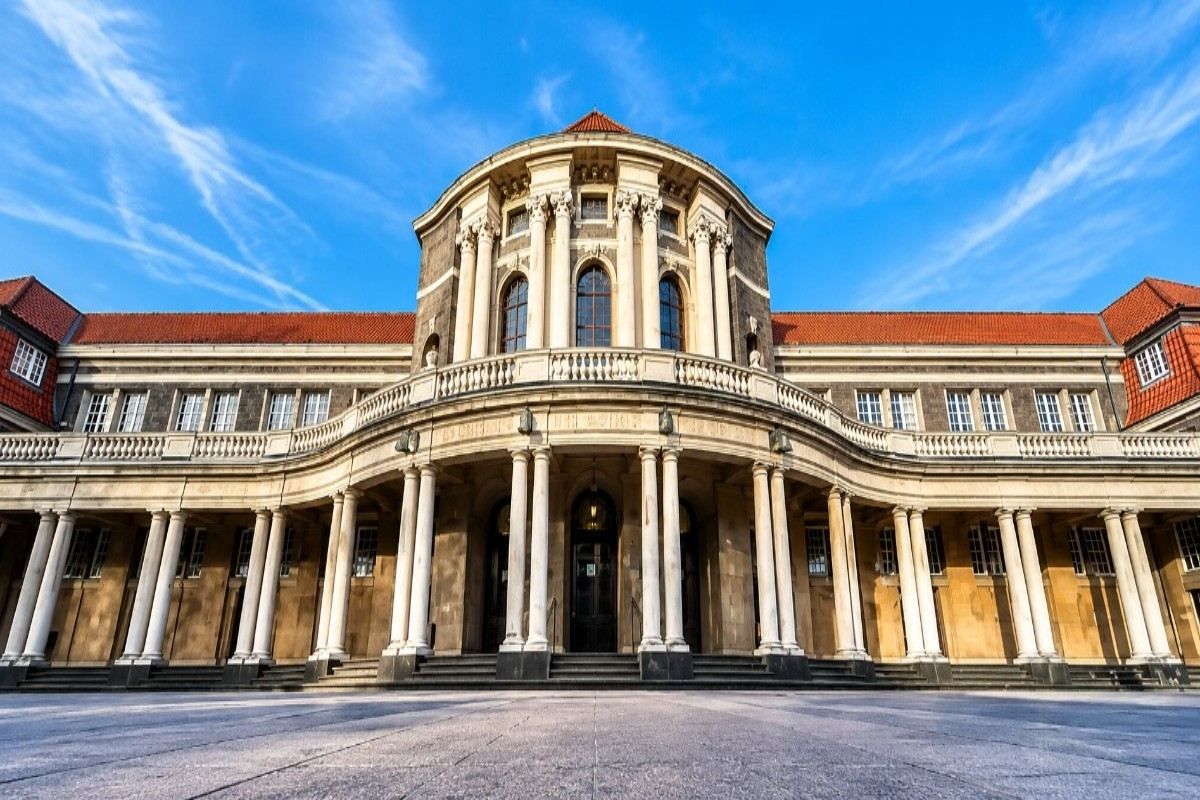
Explore fees, eligibility, and admission guidance for MBBS in University of Hamburg Faculty of Medicine in Germany.
 Partner
Explore fees, eligibility, and admission guidance for MBBS in Leipzig University Faculty of Medicine in Germany.
 Partner
Explore fees, eligibility, and admission guidance for MBBS in University of Münster Faculty of Medicine in Germany.
 Partner
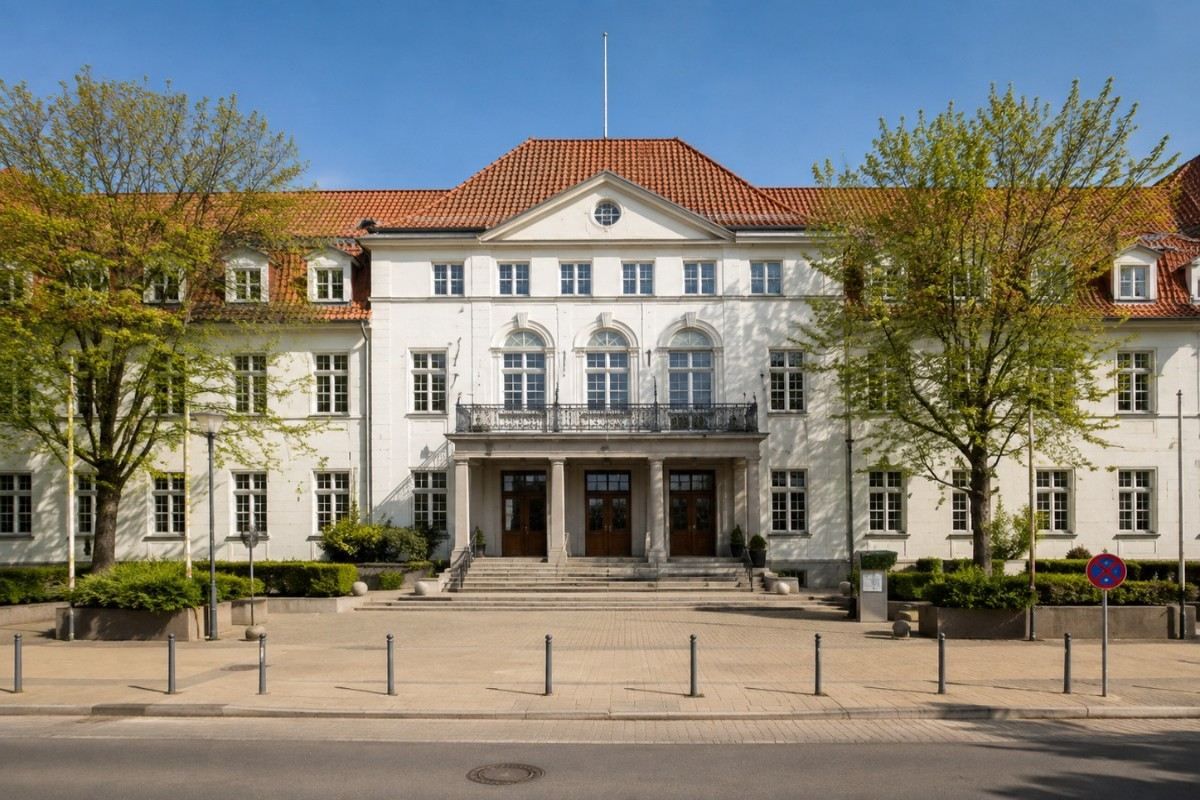
Explore fees, eligibility, and admission guidance for MBBS in University Medical Center of the Johannes Gutenberg Mainz in Germany.
Our team provides university-specific guidance and a full Germany context briefing at every intake. Book a free counselling session →
German universities generally do not use NEET as their standard medical admission examination. However, Indian students planning to return and practise medicine in India must meet the applicable NEET and NMC requirements.
Regular public medical programmes are predominantly German-taught. Some international programmes offer English-medium instruction, but students must verify the degree-awarding institution, qualification, clinical training and professional licensing eligibility.
Many public medical universities do not charge general tuition. However, semester contributions, living expenses, health insurance and preparatory education remain payable. Certain states and universities also charge tuition fees.
Studienkolleg may be required if an applicant's qualification does not provide direct German university entry eligibility. Medical applicants generally follow the M-Kurs and complete the Feststellungsprüfung where applicable.
Established institutions include Heidelberg University, Charité – Universitätsmedizin Berlin, LMU Munich, Technical University of Munich, University of Freiburg, University of Tübingen, University of Hamburg, University of Göttingen, University of Cologne and Leipzig University.
A German medical qualification does not automatically guarantee Indian registration eligibility. Graduates must satisfy the applicable NMC requirements, including academic duration, English-medium instruction, clinical training, qualifying foreign internship and local professional licensing entitlement.
Indian graduates may seek medical registration after obtaining an eligible foreign qualification and fulfilling applicable NMC regulations. The German teaching language and integrated practical-year structure require particular attention before admission.