Q1 Is the MD programme really taught fully in English?
+Yes, the entire six-year MD programme is taught in English, though all students must also study Romanian alongside it for clinical communication.

 Moldova | Est. 1945
Moldova | NMC (India); verify current listing at nmc.org.in; WDOMS listed; accredited by Moldova's National Agency for Quality Assurance in Education and Research (ANACEC); WHO-listed historically; member, World Federation for Medical Education | English (full MD programme taught in English) medium
Expert will call you within 2 hours
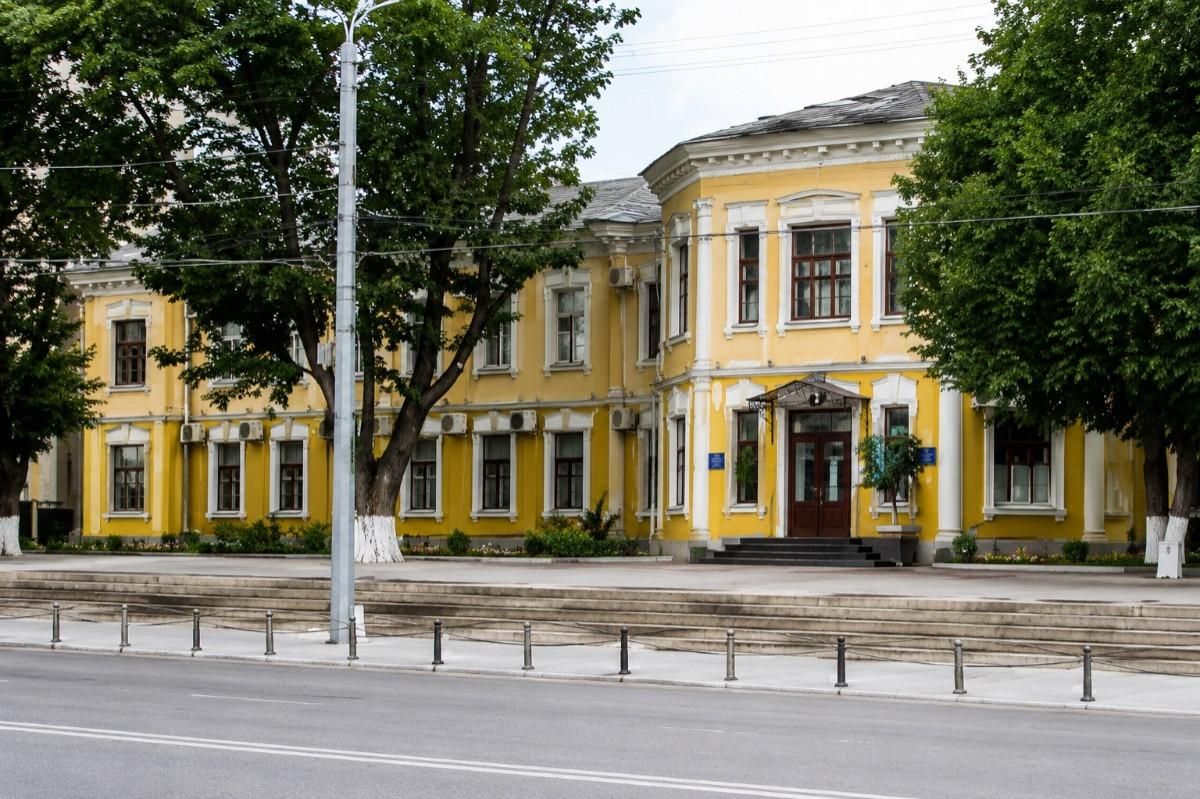
Right in the heart of Chișinău, Moldova's capital, sits a medical school with a long history. The Nicolae Testemițanu State University of Medicine and Pharmacy got its start in 1945. Back then, it had a different name. It was called the Chișinău State Institute of Medicine. It was set up just after the Second World War. The goal was simple. Rebuild the region's healthcare system from scratch. In 1990, the university took on the name it carries today. That name honours Nicolae Testemițanu himself. He was a Moldovan surgeon. He was also a public health reformer. His work shaped the country's whole medical system. So this isn't a school chasing a fresh brand. It's one carrying eighty years of real history. And it carries a name that still means something locally.
What makes USMF stand out today is something different, though. It's the only school in Moldova that teaches medicine fully in English. This is just for international students. If you're looking at MD courses across Eastern Europe, that one fact narrows your list fast. No other school in the country offers this. USMF has leaned into that role for years now. Today it has more than 6,000 students on campus. A good chunk of them, around 2,000, come from outside Moldova. They arrive from over 40 countries. Walk through the campus and you'll hear a real mix of languages. That says a lot about how international this place has become.
Here's something worth knowing upfront. It shapes how this school fits into the bigger picture. Moldova is not yet in the European Union. It's a candidate country instead. Talks about joining are underway. But full membership hasn't happened yet. So a USMF degree doesn't get automatic EU-wide recognition right after graduation. That's different from a degree earned inside an EU country. This is the biggest gap between USMF and schools in places like Portugal or Poland. It matters. It's worth being upfront about this, rather than glossing over it.
That said, the degree itself still holds real value. USMF is listed in the World Directory of Medical Schools. It's also on the list Indian students should check for eligibility. The university belongs to groups like the World Federation for Medical Education. It's also part of the Association of Medical Schools in Europe. Both matter for international credibility. That holds true even without full EU recognition. Many graduates go on to further training. Some stay in Moldova. Others head abroad. Some countries recognise the degree through separate deals or licensing steps.
For Indian students, the biggest single draw here is cost. Tuition for Medicine runs much lower than at most other European schools. It usually falls somewhere between €4,800 and €7,000 a year. The exact number depends on the source and the intake year. Even at the high end, six years here costs far less than Portugal, Poland, or further west. Add genuinely low living costs in Chișinău on top. The total six-year cost becomes one of the most affordable options on the continent right now.
The MD course runs for six years. All of it is taught in English. That said, every student, even international ones, must also study Romanian. This runs alongside the main coursework. Romanian doesn't replace English in lectures, though. It's there because clinical years involve real contact with patients in Moldovan hospitals. Being able to talk directly with patients matters for real hands-on training. Most students pick up enough conversational Romanian over their first couple of years. That's usually enough to handle clinical settings with ease. Meanwhile, lectures, exams, and textbooks stay in English the whole way through.
Before the main six-year course even starts, many students choose a one-year prep course. It isn't required. But it's strongly recommended for students fresh out of high school. It covers Biology, Chemistry, and Physics at entrance-exam level. It also offers basic English or Romanian language help, based on what a student needs. Students who pass this prep year skip the standalone entrance exam entirely. That makes it a popular, low-stress way into the main programme for a lot of incoming students.
Clinical training happens across several hospitals in Chișinău linked to the university. Starting from the second year, students do supervised summer placements in these hospitals every year through to graduation. This builds real, hands-on clinical hours well before the formal clinical years even start. USMF takes real pride in this early exposure. It's part of why students leave with a fairly strong practical base by Year 6.
For Indian families weighing this against other options, here's the honest picture. USMF won't hand you instant EU-wide recognition the way a Portuguese or Polish degree can right now. That's because Moldova hasn't joined the EU yet. But it offers a genuinely English-taught MD. It sits in a safe, walkable European capital. And the price is hard to match elsewhere on the continent. Some students care most about cost and a simple English-medium path. Those students, willing to check NMC and licensing rules carefully first, will find USMF a serious option. It's well worth weighing against the pricier EU-member choices.
One more practical point worth flagging. The university doesn't ask for any donation or capitation fee to secure a seat. That keeps the admission process fairly clear and simple. Indian applicants still need a valid NEET score before applying, just like at other international medical schools. Beyond that, the process mostly comes down to standard academic documents. Sometimes it also means sitting the entrance exam or finishing the prep year first.
Overall, USMF works best as a clear-eyed, budget-first pick. It isn't trying to be Europe's most prestigious medical school. It doesn't claim to be, either. What it offers instead is a long-running, English-taught MD course, real clinical exposure early on, and a total cost that's genuinely lower than most alternatives. Students just need to go in with open eyes about where Moldova stands on EU membership today. They should also do their own checks on recognition before locking in any decision.
A quick word on daily life helps round out the picture too. Chișinău is small and easy to get around. Most students walk to class or take cheap local transport. Rent stays low compared to most of Europe. So does food. Many students live in university hostels during their first year or two, which keeps costs down even further. For someone coming from India for the first time, that kind of low-stress setup can make settling in a lot easier.
No hidden charges, no donation. The full picture of costs at MBBS In Nicolae Testemițanu State University of Medicine and Pharmacy.
Tuition Fee
€4,800–7,000 per year for the Medicine programme (approx. ₹4.3–6.3 lakh/year)
€4,800–7,000 per year for the Medicine programme (approx. ₹4.3–6.3 lakh/year)
Hostel Fee
University hostel rooms approx. €70–150/month depending on room sharing (1, 2, or 3 students per room)
University hostel rooms approx. €70–150/month
Food & Meals
€100–180
Per Month
Insurance
€100–200
Per Year
Donation
No donation
No hidden charges
Total Estimated Cost
Approx. €38,000–52,000 all-inclusive (₹34–47 lakh)
6 Years
25–35%
Average FMGE first-attempt pass rates for students from many overseas medical universities. Students from structured programs consistently score higher.
Students returning to India need to clear the FMGE/NExT exam. MBBS In Nicolae Testemițanu State University of Medicine and Pharmacy integrates exam-oriented coaching into the regular curriculum so students are prepared from day one.
A structured program that takes you from foundational sciences to clinical mastery.
Foundation year covering structural biology and core sciences. Anatomy is taught with cadaveric dissection. Romanian language study begins immediately alongside the English-taught science subjects, preparing students for later patient contact.
Subjects: Anatomy I, Histology & Embryology, Biophysics, General & Bioorganic Chemistry, Biology, Latin & Medical Terminology, Romanian Language I
Systems-based deepening of the basic sciences. Supervised summer clerkships in affiliated hospitals begin this year, giving students their first real clinical-floor exposure well ahead of formal rotations.
Subjects: Anatomy II, Physiology, Biochemistry, Microbiology, Medical Genetics, Romanian Language II
Bridge year between classroom science and patient care. Propaedeutics introduces history-taking and physical examination. Continued summer clerkships build practical familiarity with hospital routines.
Subjects: General Pathology, Pharmacology I, Pathophysiology, Propaedeutics of Internal Medicine, Clinical Skills Training
First full year of structured clinical rotations across USMF's affiliated Chișinău hospitals. Students take patient histories under supervision and begin case presentations across core specialities.
Subjects: Internal Medicine I, General Surgery I, Pharmacology II, Radiology, Psychiatry
Expanded rotations across a wider set of specialities, including family medicine placements. Continued summer clerkship requirements run alongside coursework through this year.
Subjects: Internal Medicine II, Surgery II, Paediatrics, Obstetrics & Gynaecology, Neurology, Family Medicine
Final year of supervised clinical training across all major disciplines before graduation, followed by a separate mandatory one-year internship period for full physician qualification.
Subjects: Emergency Medicine, comprehensive rotations across Internal Medicine, Surgery, Paediatrics, O&G, Psychiatry, and electives


Furnished hostel rooms with Wi-Fi, laundry, 24/7 security, and Indian mess on or near campus.
Indian restaurants and mess facilities serving vegetarian and non-vegetarian home-style food daily.
Strong Indian community with cultural events, festival celebrations, and peer support groups.
Students get hands-on clinical training in government and private hospitals affiliated with the university.
Practical information for students planning to study at MBBS In Nicolae Testemițanu State University of Medicine and Pharmacy.
Prepare for all seasons. Thermal wear for winters, light clothing for summers. University provides heating in hostels.
Student visa processed with university invitation letter. Direct and connecting flights from major Indian cities.
Health insurance included in fees. Medical facility on campus plus city hospitals easily accessible.
Local SIM cards available. WhatsApp and video calls keep you connected with family back home.
Average monthly expenses of $150–$250 covering food, transport, and personal needs.
University library, online databases, and study groups. Seniors mentor juniors through academic challenges.
Our team guides you through every step — from application to arriving on campus.
Our Moldova specialist provides an honest overview of the budget comparisons with Russia and Kazakhstan, Nicolae Testemițanu profile, FMGE outcomes, and Chișinău life.
Our team provides the Moldova-specific checklist. All documents are verified before university submission.
Direct submission to Nicolae Testemițanu. Offer letter typically within 7–14 days.
Our team receives the offer, walks you through the terms, and manages the initial fee payment.
Our team assists with the Moldova e-visa application via evisa.gov.md, processed within 3 working days.
Chișinău city orientation, accommodation, transport, currency, food options, and first-week university logistics.
Our team advises on routing to Chișinău International Airport (KIV). Confirms arrival with the local team.
Our local Chișinău representative meets you. No student arrives unsupported.
Hostel check-in and Nicolae Testemițanu registration handled by the local team in the first week.
Our team files the student residence permit at the Bureau of Migration and Asylum within your first two weeks. Renewed annually.
Admission Helpline — Contact our counsellors for step-by-step assistance.
“The faculty here is incredibly supportive. The clinical training during hospital rotations has given me real confidence in patient care.”
“Affordable fees without compromising on quality. The campus facilities and hostel life made my transition abroad very smooth.”
“English medium instruction and WHO-recognized curriculum were the deciding factors for me. No regrets so far — excellent experience overall.”
“The university helped with everything from visa to accommodation. Hospital exposure from year three has been invaluable for my FMGE prep.”
“Just cleared my licensing exam on the first attempt. The structured coaching and mock exams during final year were a game-changer.”
“Safe campus, good food options, and a strong Indian student community. The teaching methodology is very practical and hands-on.”
Yes, the entire six-year MD programme is taught in English, though all students must also study Romanian alongside it for clinical communication.
Not yet. Moldova is not an EU member country; rather, it is an EU candidate country. Therefore, at present, the certificate of higher education from Moldova will not be automatically recognized throughout the EU.
Yes, a valid NEET score is mandatory for Indian applicants, alongside the university's entrance exam or completed preparatory year.
It's an optional 10-month course covering Biology, Chemistry, Physics, and language support; it isn't mandatory, but it exempts students from the standalone entrance exam.
Students begin supervised summer clerkships in affiliated Chișinău hospitals from Year 2 onward, building practical experience well before formal clinical rotations begin in Year 4.
It is listed in the World Directory of Medical Schools; applicants should verify current NMC status directly at nmc.org.in before applying.
No, the university does not require any donation or capitation fee to secure admission
Yes, living costs in Chișinău are low by European standards, generally around €250–400 a month including rent and food.
Approx. €38,000-52,000 all-inclusive, tuition, accommodation, food, insurance, and personal costs.
Yes. However, there may be some differences which depends on individual countries because Moldova is not an EU member yet.

Our expert counsellors will guide you through the complete admission process — from documents to airport pickup.