Q1 Is the medical program at Nantes taught in English?
+No. The entire program runs in French, at every stage, with no English-taught track for the core medical degree.
 France | Est. 1960
France | Fully accredited under the French national medical education framework; recognised across the European Union under Directive 2005/36/EC | French only medium
Expert will call you within 2 hours
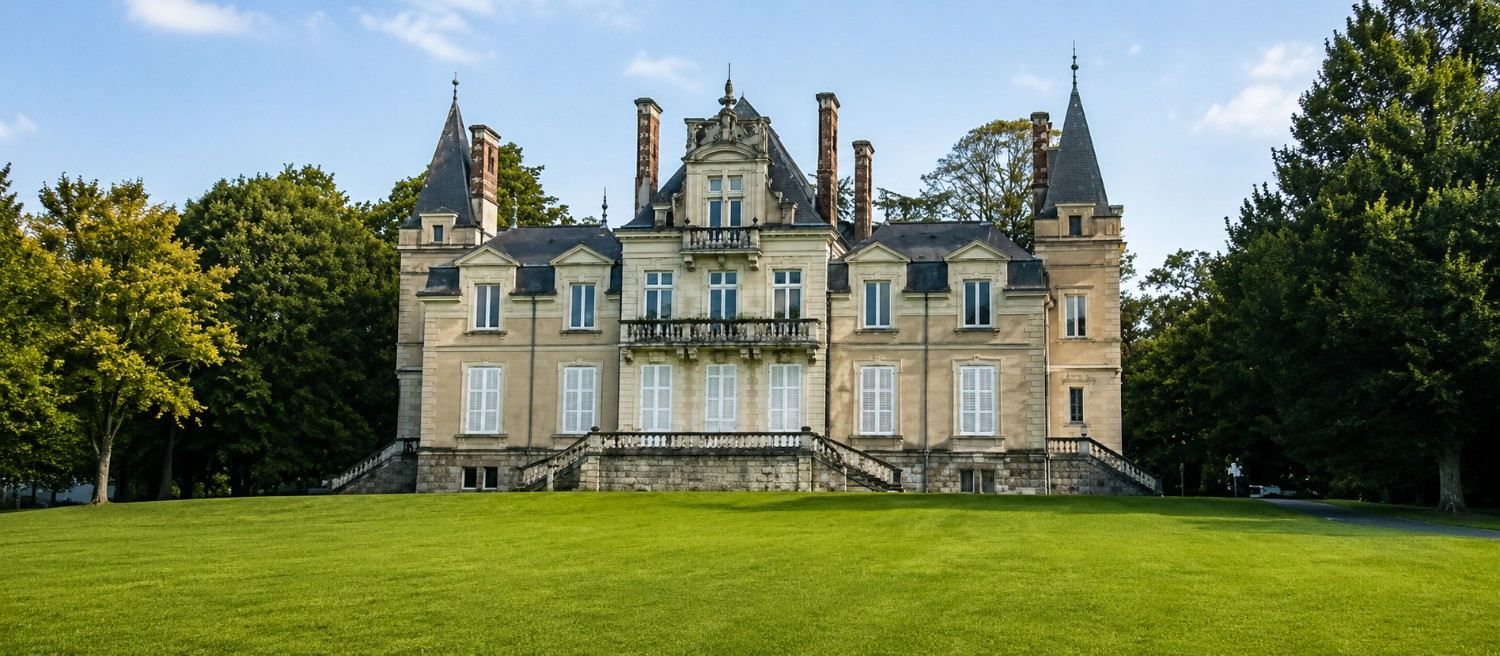
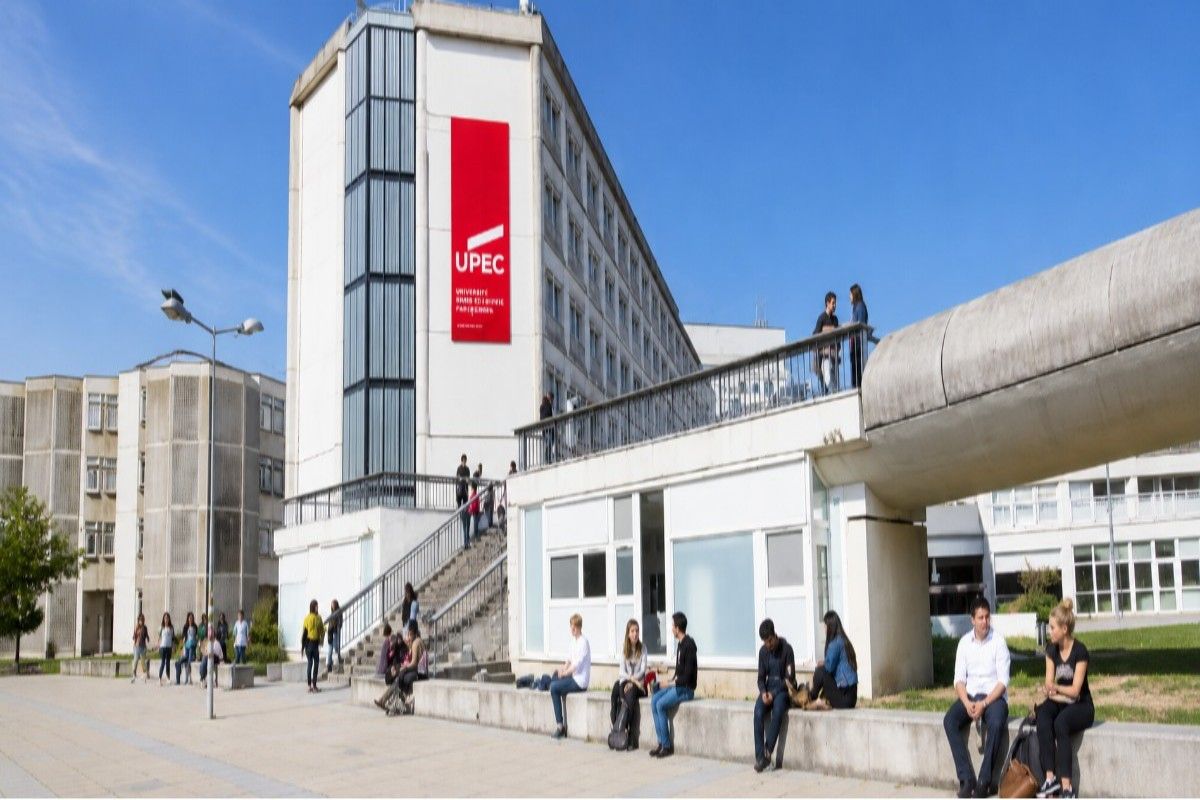
Nantes sits on the Loire River, in western France, not far from the Atlantic coast. It ranks among France's larger cities, known for its strong food culture, its old shipbuilding history, and its lively student population. Nantes Université runs its Faculté de Médecine here, as part of a much wider public university with roots stretching back centuries.
The university itself traces its founding back to 1460, making it one of France's older academic institutions. It closed during the French Revolution, and reopened only in the 1960s in its current form. Today, Nantes Université runs as one of France's largest public universities, teaching well over 30,000 students across a wide range of fields. The Faculté de Médecine sits inside the university's UFR Sciences de Santé, the broader health sciences unit, which also covers dentistry, pharmacy, and midwifery training.
One point matters more than any other for a student weighing this school from outside France. French medical education runs entirely in French, at every single stage. There is no English-taught track for the core medical degree here, unlike some Italian medical schools that run parallel English-medium programs. Lectures, exams, ward rounds, and patient contact all happen in French, right from a student's very first year. Anyone without strong, working French should treat that as a hard, non-negotiable fact before looking any further into this school.
Getting into French medical school also runs on a genuinely different system than most countries covered elsewhere in this series. France dropped its old single entrance exam system in 2020, replacing it with two parallel routes. The first route, called PASS, stands for Parcours Accès Spécifique Santé. It mixes eighty percent health-focused study with twenty percent study in a separate minor subject, across sixty ECTS credits in the first year. The second route, called LAS, stands for Licence Accès Santé. It flips that ratio, running eighty percent of a chosen degree subject alongside a twenty percent health option. Both routes lead toward the same second-year medical seats, chosen through a national ranking process. Students missing the cut in their first route sometimes get a second shot through the other route's waiting list, a detail unique to how this newer French system works.
Every French university sets its own local numerus apertus, the open number of second-year medical seats available each year, decided jointly by the university and regional health authorities. This number can shift from year to year, and it directly caps how many PASS or LAS students actually move forward into full medical training at Nantes specifically. Competition for these seats runs genuinely fierce. PASS students typically work through roughly sixty-five to seventy-five hours a week during that first year, while LAS students, who juggle a full separate degree alongside health study, often report even more.
Once through this first-year filter, the medical course follows three broad cycles. The first cycle covers years two and three, known locally as DFGSM2 and DFGSM3, or informally as P2 and D1. These years complete the Diplôme de Formation Générale en Sciences Médicales, worth 180 ECTS credits, roughly equal to a Bachelor's level in the wider European system. Students deepen their grasp of biology, anatomy, physiology, and clinical reasoning, alongside a required summer nursing placement between the second and third years, giving students early, hands-on ward experience well before formal clinical rotations begin.
The second cycle spans years four through six, called D2, D3, and D4, working toward the Diplôme de Formation Approfondie en Sciences Médicales. At Nantes specifically, each year's class splits into two groups, alternating month by month between hospital placements and classroom teaching. Students in this stage carry the title of externe, and they must complete a minimum of twenty-five overnight or weekend hospital duty shifts across these three years, giving them real, sustained exposure to how hospitals actually run around the clock, not just during standard daytime hours.
At the end of this second cycle, students sit national ranking exams that decide their access to a chosen medical specialty and their choice of region for further training. This step, sometimes still called the internat, launches the third cycle, where students train as full residents, called internes, inside their chosen specialty for a further three to five years depending on the field, general practice on the shorter end and surgical specialties often running longer. Only after finishing this full third cycle does a graduate earn the formal title Docteur en Médecine and gain the right to practise independently in France.
This means the full path from first enrolment to independent practice in France typically runs nine to eleven years in total, considerably longer than the standard "six year MD" model used in many other countries covered across this series. Prospective students should weigh this real, extended timeline honestly against shorter medical degree structures elsewhere.
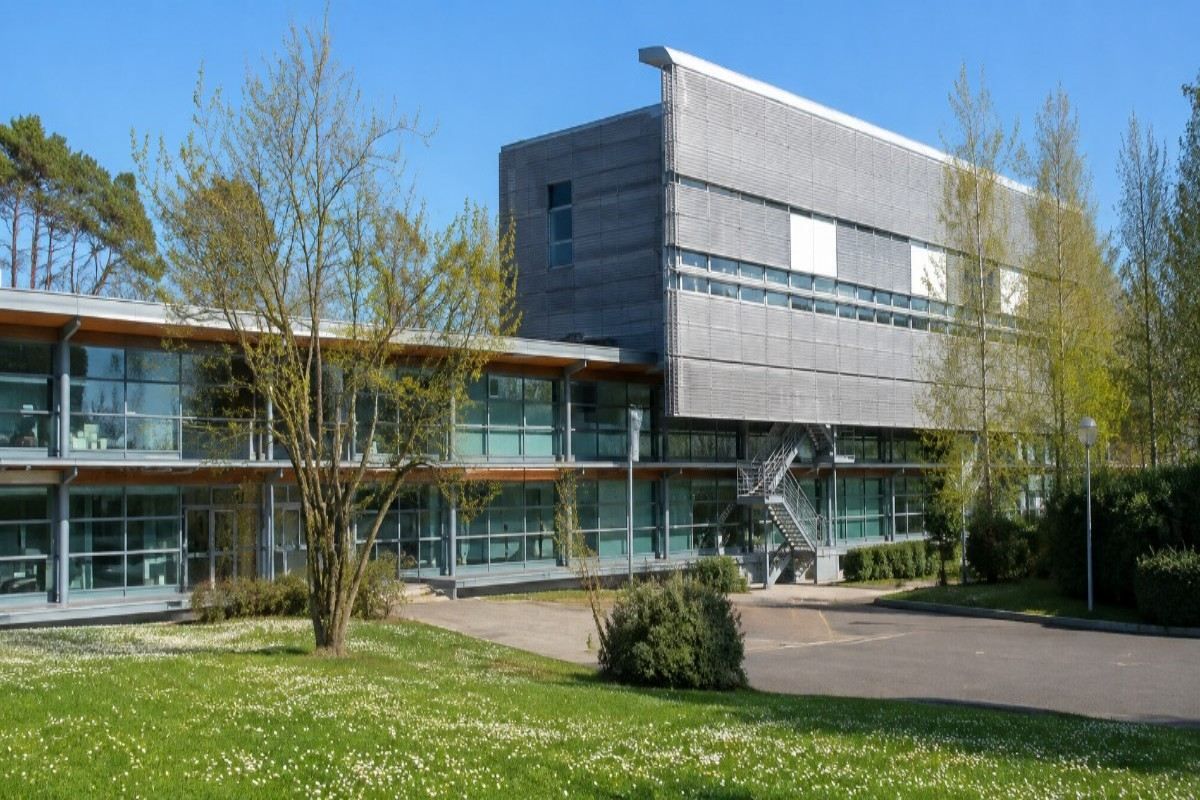
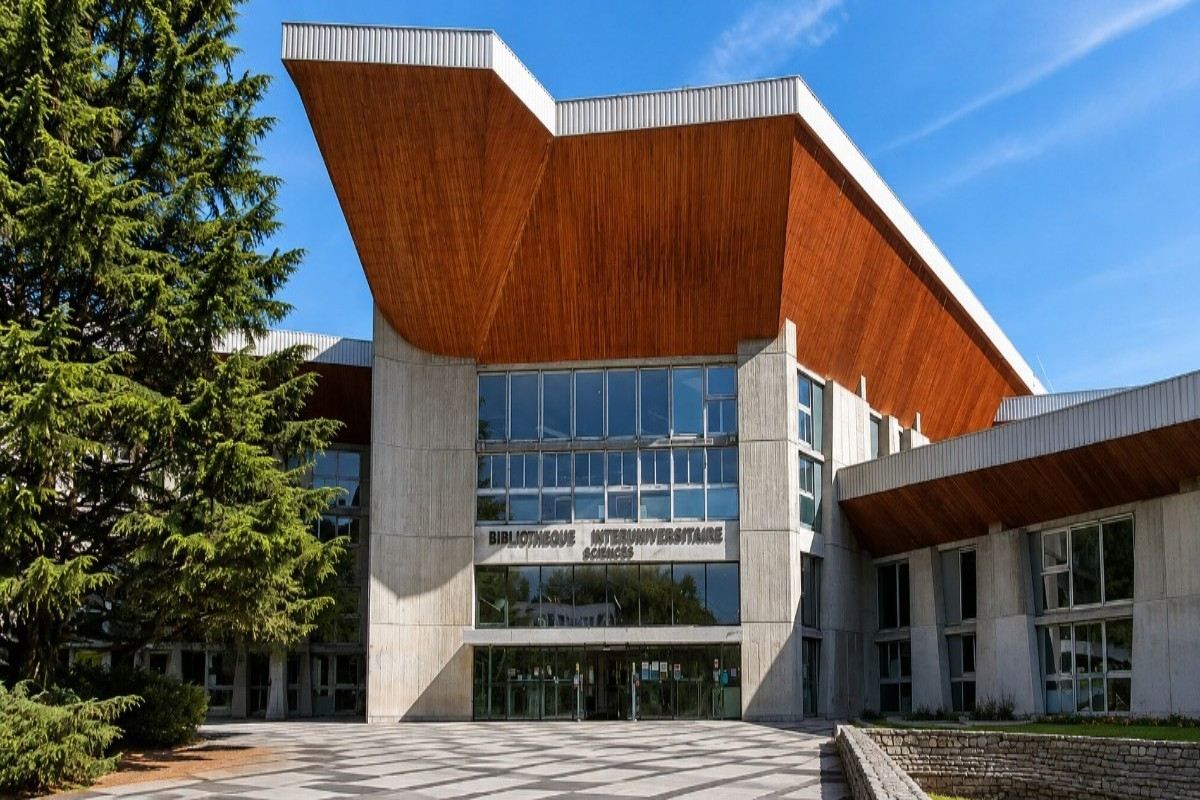
Clinical training at Nantes draws on the wider CHU de Nantes, the city's university hospital network, alongside further hospital sites across the Pays de la Loire region. This gives medical students access to a genuinely broad hospital system, spanning major specialty care through to general and community medicine, without needing to travel far from the main teaching sites in Nantes itself.
Cost here works very differently from most other countries in this series. As a French public university, Nantes charges the standard national tuition rate set by the French government for medical and health science degrees, historically running in the low hundreds of euros per year for the DFGSM stage, rising somewhat for the DFASM stage, plus a compulsory annual student life contribution called the CVEC, currently set at 105 euros. Since 2019, French policy in principle allows public universities to charge non-European students a higher, differentiated rate at some stages, though many French universities, including several offering medicine, have chosen to keep the standard national rate for most or all students rather than apply this higher tier. Given how much this detail can shift by year and by exact program stage, any prospective applicant absolutely must confirm the current, exact fee structure directly with Nantes Université's admissions office before making any plans, since published third-party figures on this point vary and are not always specific to medicine.
Life in Nantes offers real value alongside the academic side. The city consistently ranks among France's most liveable, with a strong public tram network, a genuinely large student population, and noticeably lower living costs than Paris. The Atlantic coast sits under an hour away by train, and the city itself blends old riverside architecture with a modern, youthful energy shaped by its large student body.
For students who already have strong, working French, and who understand and accept the genuinely long path from first enrolment to full independent practice under the French system, Nantes Université's Faculté de Médecine offers a well-established, publicly run route into French medicine, backed by a large, wide-ranging university and a genuine regional hospital network. This school will not suit students hoping for an English-taught route or a short, six-year path to full practice, since neither exists within the French system as it currently runs.
No hidden charges, no donation. The full picture of costs at MBBS in Nantes University Faculty of Medicine.
Tuition Fee
CVEC fee of €105
EUR 170-250
Hostel Fee
€272.32 per month.
€272.32 per month.
Food & Meals
3,000-3,600
per year
Insurance
€500 to €600 (INR 45,000–55,000)
per year
Donation
NO donation
No hidden fee
Total Estimated Cost
6,900-8,750
6 year
25–35%
Average FMGE first-attempt pass rates for students from many overseas medical universities. Students from structured programs consistently score higher.
Students returning to India need to clear the FMGE/NExT exam. MBBS in Nantes University Faculty of Medicine integrates exam-oriented coaching into the regular curriculum so students are prepared from day one.
A structured program that takes you from foundational sciences to clinical mastery.
full separate degree alongside a health option (LAS); selection into Year 2 medicine via national/local ranking.
Foundational health sciences alongside a minor subject
a required summer nursing placement between DFGSM2 and DFGSM3; completion awards the DFGSM (180 ECTS, Bachelor's-equivalent).
Deepened biology, anatomy, physiology, and clinical reasoning
a minimum of 25 overnight/weekend hospital duty shifts required; completion awards the DFASM.
Clinical training alternating monthly between hospital placements and coursework;


Furnished hostel rooms with Wi-Fi, laundry, 24/7 security, and Indian mess on or near campus.
Indian restaurants and mess facilities serving vegetarian and non-vegetarian home-style food daily.
Strong Indian community with cultural events, festival celebrations, and peer support groups.
Students get hands-on clinical training in government and private hospitals affiliated with the university.
Practical information for students planning to study at MBBS in Nantes University Faculty of Medicine.
Prepare for all seasons. Thermal wear for winters, light clothing for summers. University provides heating in hostels.
Student visa processed with university invitation letter. Direct and connecting flights from major Indian cities.
Health insurance included in fees. Medical facility on campus plus city hospitals easily accessible.
Local SIM cards available. WhatsApp and video calls keep you connected with family back home.
Average monthly expenses of $150–$250 covering food, transport, and personal needs.
University library, online databases, and study groups. Seniors mentor juniors through academic challenges.
Our team guides you through every step — from application to arriving on campus.
Compare on post-reform fees, city cost of living, QS ranking, and, specifically for France, the FMGL language-of-instruction question, not on rankings or advertised low fees alone.
Start DELF/TCF B2 preparation 12–18 months before your intended application. This is the step every other MBBS-abroad admission process skips, and it’s the one that determines whether the rest of this process even works for you.
Submit academic transcripts, NEET scorecard, DELF/TCF certificate, SOP, and LORs through the appropriate platform for your intended program level.
Complete the mandatory Campus France file and interview, a genuine assessment of academic and linguistic readiness, not a rubber-stamp step.
The university’s international admissions office verifies submitted documents and, where relevant, PASS/L AS eligibility
Timelines vary by platform; Parcoursup decisions for a September intake typically arrive in phases between May and July.
Apply at the French Consulate covering your region after a successful Campus France interview; the realistic processing time is 2–4 weeks.
In the final 30 days: finalise documents, arrange winter clothing, book flights, arrange currency exchange, and confirm CROUS or private housing in writing.
Complete OFII registration within the first months of arrival to validate your long-stay visa as a residence permit. Universities generally guide incoming batches through this during orientation.
Open a French bank account, get a local SIM, register for CAF housing assistance if eligible, attend orientation sessions, and begin building your study routine and connections with the local Indian student community.
Admission Helpline — Contact our counsellors for step-by-step assistance.
“The faculty here is incredibly supportive. The clinical training during hospital rotations has given me real confidence in patient care.”
“Affordable fees without compromising on quality. The campus facilities and hostel life made my transition abroad very smooth.”
“English medium instruction and WHO-recognized curriculum were the deciding factors for me. No regrets so far — excellent experience overall.”
“The university helped with everything from visa to accommodation. Hospital exposure from year three has been invaluable for my FMGE prep.”
“Just cleared my licensing exam on the first attempt. The structured coaching and mock exams during final year were a game-changer.”
“Safe campus, good food options, and a strong Indian student community. The teaching methodology is very practical and hands-on.”
No. The entire program runs in French, at every stage, with no English-taught track for the core medical degree.
Through Parcoursup, France's national undergraduate platform, choosing either the PASS route (a health-majored first year) or a LAS route (a separate Bachelor's degree with a health option).
Considerably longer than a standard six-year MD: roughly 9 to 11 years in total, covering a 3-year first cycle, a 3-year second cycle, and 3 to 5 further years of specialty residency training.
Yes. Nantes sets a local numerus apertus each year, jointly with regional health authorities, capping how many PASS and LAS students can progress into second-year medicine.
Nantes charges France's standard national public university rate for health sciences, historically in the low hundreds of euros per year, plus a compulsory €105 annual CVEC fee. Non-EU students should confirm whether any differentiated (higher) fee applies to their specific situation.
NEET itself is not part of the French admissions process, which runs through Parcoursup and PASS/LAS instead. However, Indian graduates must still clear FMGE or NExT under standard NMC rules to practise in India after finishing their French medical degree.
At CHU de Nantes, the city's university hospital network, alongside further regional hospital sites across Pays de la Loire, with training alternating monthly between hospital placements and classroom study during the second cycle.
Yes, fully recognised across the EU under Directive 2005/36/EC. Graduates aiming to practise outside France or the EU must separately meet that country's own licensing requirements.
PASS runs 80% health-focused study with a 20% minor subject; LAS runs 80% of a separate chosen degree with a 20% health option. Both lead to the same second-year medical seats through a national ranking process.
No. Since every stage of teaching, examination, and clinical practice runs in French, students need genuinely strong, working French language skills before even considering this path, well beyond basic conversational level.
Our expert counsellors will guide you through the complete admission process — from documents to airport pickup.