
Q1. Do WHO and NMC India recognise FMIPH?
+Yes. WHO and NMC India both list it. Check wdoms.org before you confirm admission.
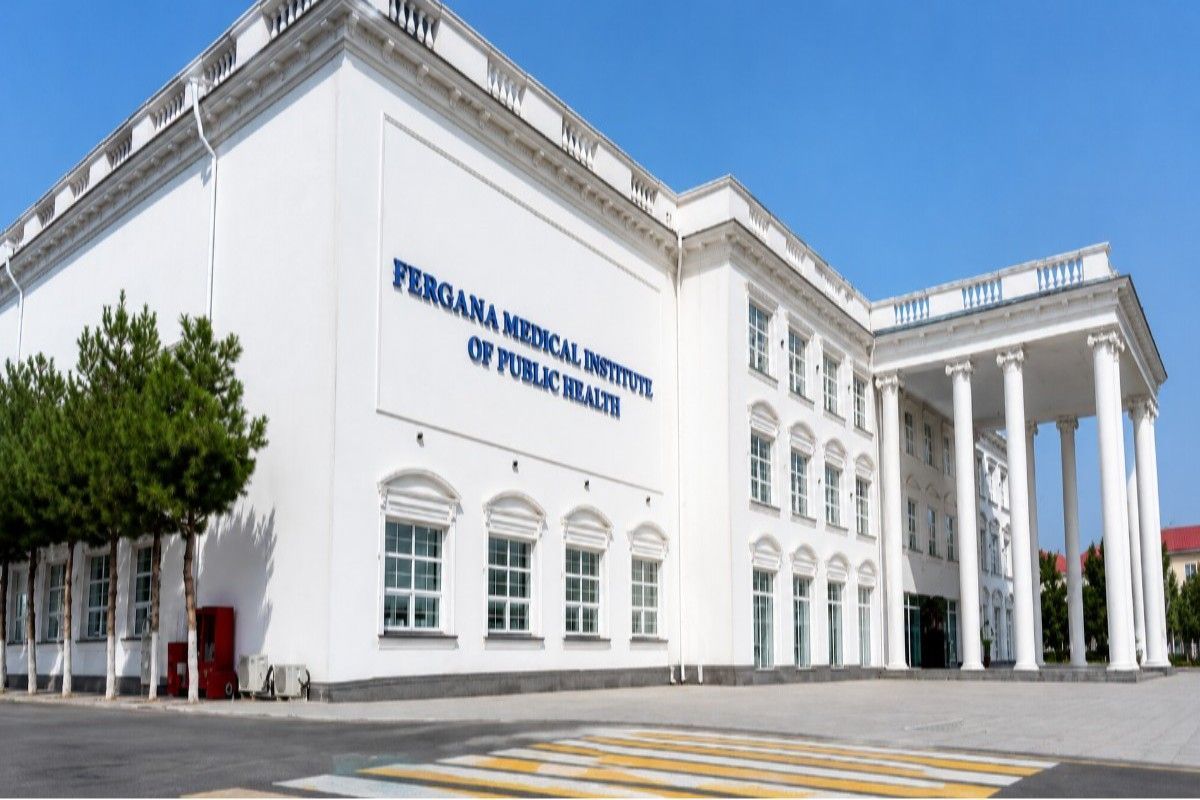
 Uzbekistan | Est. 1991
Uzbekistan | Listed by WHO, NMC India, WDOMS; follows the European Credit Transfer System, ECTS | Full English medium for all international students; no IELTS or TOEFL required medium
Expert will call you within 2 hours
Most blogs about FMIPH say the same things as a government university. NMC approve, low fees. But none of them explains what it actually feels like to study medicine here, or what makes this specific college worth choosing over other options in Uzbekistan. So let me tell you what they leave out.
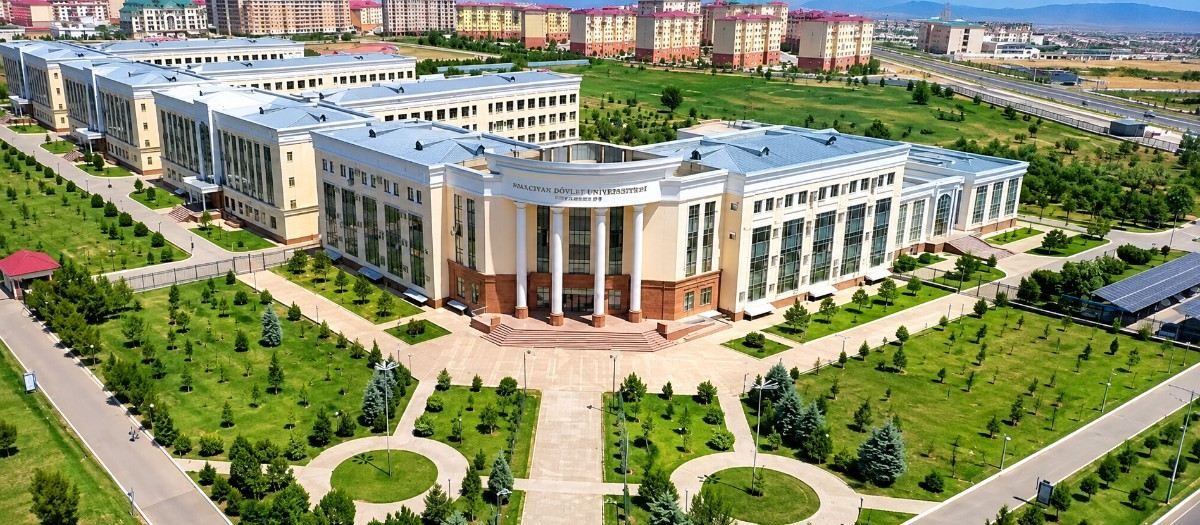
Fergana Medical Institute of Public Health is a government university in the city of Fergana, eastern Uzbekistan. It was set up in 1991 as a medical centre at Fergana State University. In 1998, the government issued an executive order, restructuring it into a fully independent medical institute. Today, it runs under the Ministry of Health and the Ministry of Science and Education of Uzbekistan.
Fergana city sits in the Fergana Valley. This is one of the most fertile and historically rich regions in all of Central Asia. The valley sits between the Tian Shan mountains in the north and the Alai mountains in the south. It was a key stop on the ancient Silk Road. Alexander the Great passed through this region. So did Mongols, Persians, Chinese traders, and Russian colonists. The city itself was founded by the Russians in 1877. It has wide tree-lined streets, large parks, and a calm, clean environment. For Indian students used to crowded cities, Fergana feels surprisingly peaceful.
The institute currently has 19 departments and over 147 professors. It offers General Medicine, Preventive Medicine, Higher Nursing, Traditional Medicine, Biomedical Engineering, and Professional Education. But the programme most Indian students come for is General Medicine, which is the equivalent of MBBS. The course runs for 6 years: 5 years of academic study followed by a 1-year clinical internship.
Now, here is what most pages skip. FMIPH places a strong focus on public health and epidemiology. That is not just a marketing point. Most MBBS colleges in Russia, China, and Bangladesh train students only in clinical medicine. FMIPH adds structured training in public health, disease prevention, and epidemiology from early years. That directly helps in FMGE and NExT, where public health questions carry significant weight.
Teaching hospitals are in proximity to the campus. Your clinical rotations start during the 3rd year.
Students see real cases in internal medicine, surgery, paediatrics, OB-GYN, and emergency care. The institute also has international collaborations and has integrated modern and remote learning technologies into its teaching approach.
For Indian students, there are two intake sessions each year, in February and September. That is something not every college in Uzbekistan offers. It means if you miss one session, you do not have to wait a full year. You can join the next batch in a few months.
The Fergana International Airport is just 5-6 km from the campus. There are many direct access points to Tashkent via aviation, rail and/or road transport. Flights to Delhi are available from Tashkent. So, the total travel time from India to campus is manageable and not overly complex.
The hostel is on campus. Rooms are furnished. WiFi runs 24 hours. A canteen and mess facility is available all day. Indian restaurants are also available in the city. The estimated living expenses per annum will be approximately USD 750 or Rs. 71,000. That is one of the lowest monthly costs among all MBBS abroad destinations.
The total 6-year cost, including tuition and living expenses, is around INR 26-30 lakhs. There is no donation. There is no capitation fee. No hidden charges are asked for at any stage. For a government university with a public health focus and two intake sessions per year, that is a genuinely competitive package.
Quick Overview
Parameter | Details |
Established | 1991 (Restructured as an independent institute in 1998) |
Location | Fergana City, Fergana Valley, Eastern Uzbekistan |
University Type | Government University — Ministry of Health, Uzbekistan |
Course Duration | 6 Years (5 Years Study + 1 Year Clinical Internship) |
Total Seats | Open Intake — Multiple Batches per Year |
Intake Sessions | February and September (Two Sessions per Year) |
Medium of Instruction | English (For International Students) |
Annual Tuition Fee | Approx. USD 3600 (INR 3.40 Lakhs/Year) |
Fee Structure (2025–26)
Fee Component | Per Year (Approx.) | 6-Year Total (Approx.) |
Tuition Fee | USD 3,600 | INR 3.40 Lakhs | INR 20.45 Lakhs |
Hostel Fee | USD 750 | INR 71,000 | INR 4.26 Lakhs |
Food & Meals | USD 1,200 | INR 1.13 Lakh/Year (Indian mess) | INR 6.81 Lakhs |
Insurance + Misc. | USD 200–300 | INR 17,000–25,500 | INR 1–1.5 Lakhs |
Donation | NIL | NIL |
Total Estimated | — | INR 33.02 Lakhs (All Inclusive) |
Note: USD figures use approx. INR 94.70 per USD. Fees may vary slightly by session.
Why Fergana Medical Institute of Public Health Deserves a Harder Look Than You've Given It
Most pages about FMIPH focus on just one thing: low fees. But that is not the real reason serious students choose this college. So let me tell you what else is going on here.
First, the public health focus is something almost no blog explains. Most MBBS colleges abroad teach pure clinical medicine. FMIPH has a structured curriculum in public health, epidemiology, and preventive medicine built into the course. That matters a lot in today's FMGE and NExT pattern, where public health carries real marks. Students trained here come out better prepared for those sections than students from pure clinical schools.
Second, the two-session intake is a practical advantage that most pages barely mention. FMIPH takes students in both February and September. So, if you qualify for NEET in May and miss the September deadline, you still have the February option. That flexibility is rare. Most colleges in Uzbekistan run a single annual intake.
Third, the city itself is better than the blogs suggest. Fergana city has wide tree-lined streets, large parks, and a calm pace of life. It was founded in 1877 and sits in the fertile Fergana Valley, one of the most historically rich parts of Central Asia. The Silk Road passed through here. The weather is moderate. There are Indian restaurants in the city. Monthly living costs are around INR 12,000 to 18,000. That is genuinely affordable.
Also, the airport is just 5-6 km from campus. There are daily train and flight connections to Tashkent. Flights from Tashkent to Delhi are regular. The total travel time from most Indian cities is under 8 hours. That is shorter than the distance to many colleges in Russia or China.
Finally, over 400 Indian students have graduated from FMIPH since 2009. Many of them are now practising in India after clearing FMGE. The pass rate for FMIPH graduates in the FMGE is reported to be approximately 77.5%. That number is well above the global FMGE average of 18.61%. A college that produces doctors who actually clear licensing exams is a college worth taking seriously.
No hidden charges, no donation. The full picture of costs at MBBS in Fergana Medical Institute of Public Health (FMIPH), Uzbekistan.
Tuition Fee
USD 3,600, INR 3.40 Lakhs per year
USD 3,600, INR 3.40 Lakhs per year
Hostel Fee
USD 750, INR 71,000 per year
USD 750, INR 71,000 per year
Food & Meals
USD 1,200, INR 1.13 Lakh
per Year
Insurance
USD 200–300 | INR 17,000–25,500
per year
Donation
No donation
No capitation fee
Total Estimated Cost
Around INR 33.02 lakhs
Total 6-year program
25–35%
Average FMGE first-attempt pass rates for students from many overseas medical universities. Students from structured programs consistently score higher.
Students returning to India need to clear the FMGE/NExT exam. MBBS in Fergana Medical Institute of Public Health (FMIPH), Uzbekistan integrates exam-oriented coaching into the regular curriculum so students are prepared from day one.
A structured program that takes you from foundational sciences to clinical mastery.
• Introduction to Public Health and Epidemiology also begins in the very first year itself
• Anatomy, Histology, Biochemistry, and Biophysics build the full pre-clinical base this year
• Preventive Medicine and hygiene modules are also taught alongside core pre-clinical subjects
• Physiology, Microbiology, Pathological Anatomy, and Pharmacology form the Year 2 core subjects
• Clinical rotations at the teaching hospital begin from Year 3 for all international students
• Pathology, Pathophysiology, and Forensic Medicine taught with real case-based links this year
• Emergency Medicine, ENT, Eye, and Dermatology postings are also added this year
• Full rotations run in Internal Medicine, Surgery, Paediatrics, OB-GYN, and Neurology
• FMGE and NExT coaching begins this year alongside regular clinical rotations at the hospital
• Advanced postings run in Cardiology, Endocrinology, Oncology, and Epidemiology departments
• Public Health and community health rotations also run during the internship year here
• Full 12-month internship covers Medicine, Surgery, Paediatrics, OB-GYN, and Emergency care
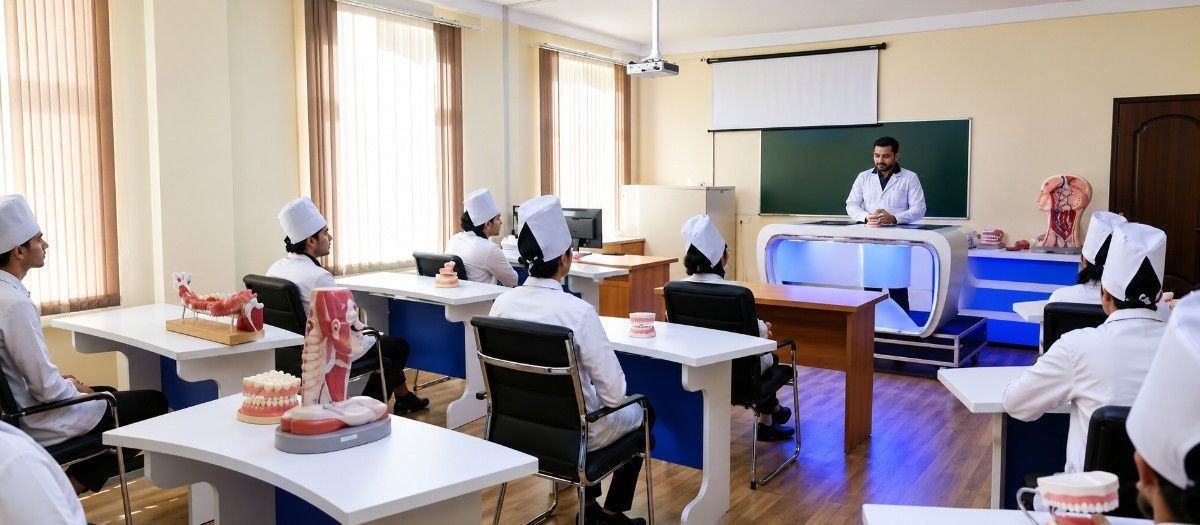
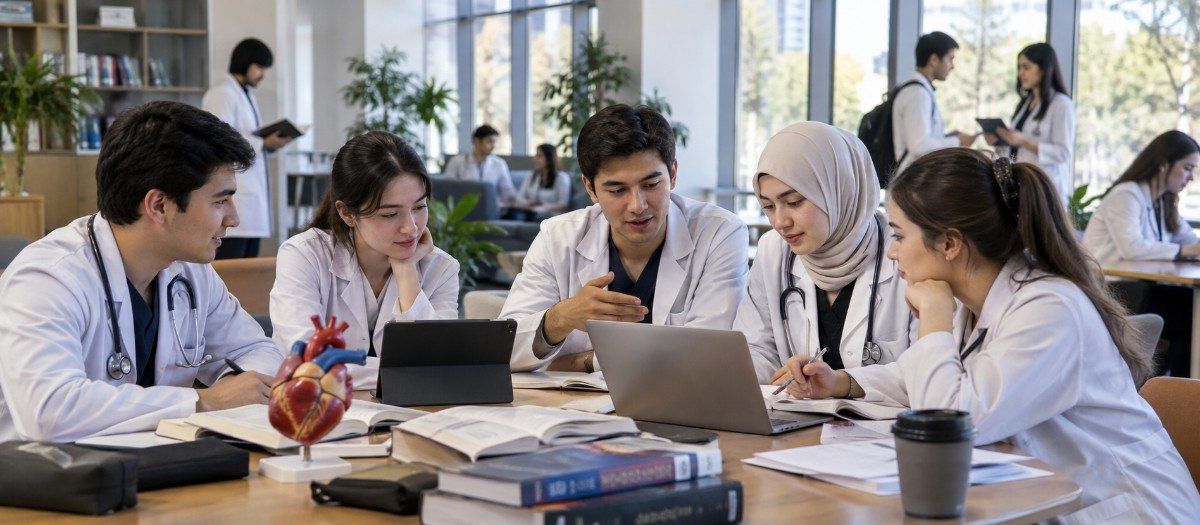
Furnished hostel rooms with Wi-Fi, laundry, 24/7 security, and Indian mess on or near campus.
Indian restaurants and mess facilities serving vegetarian and non-vegetarian home-style food daily.
Strong Indian community with cultural events, festival celebrations, and peer support groups.
Students get hands-on clinical training in government and private hospitals affiliated with the university.
Practical information for students planning to study at MBBS in Fergana Medical Institute of Public Health (FMIPH), Uzbekistan.
Prepare for all seasons. Thermal wear for winters, light clothing for summers. University provides heating in hostels.
Student visa processed with university invitation letter. Direct and connecting flights from major Indian cities.
Health insurance included in fees. Medical facility on campus plus city hospitals easily accessible.
Local SIM cards available. WhatsApp and video calls keep you connected with family back home.
Average monthly expenses of $150–$250 covering food, transport, and personal needs.
University library, online databases, and study groups. Seniors mentor juniors through academic challenges.
Our team guides you through every step — from application to arriving on campus.
Filter by current NMC advisory status first, then fees, city, and FMGE track record, immediately after the NEET result (May–June).
Mark sheets, NEET scorecard, and passport scans are submitted online (June–July), taking roughly 1–2 weeks.
The university checks eligibility and issues the admission/invitation letter, typically within 1–3 weeks.
Year 1 tuition and hostel fee are paid in USD, typically before visa processing begins.
Filed with the invitation letter, passport, and photographs; realistic processing time is 2–4 weeks (July–August).
Winter clothing, document folder, travel/health insurance, and confirmed airport-pickup arrangements finalized directly with the university’s international office in the final weeks before departure.
Travel to Uzbekistan (direct Delhi–Tashkent flight, 3–3.5 hours), airport pickup, and onward travel to the university city, by Afrosiyob high-speed train for Samarkand/Bukhara, or road transfer for Fergana Valley cities, followed by hostel check-in, timed to the intake date (August–September for the main intake, January–February for the smaller spring intake at select universities).
Residence permit and local registration with local authorities completed within the first week of arrival, alongside local SIM registration.
Admission Helpline — Contact our counsellors for step-by-step assistance.
“The faculty here is incredibly supportive. The clinical training during hospital rotations has given me real confidence in patient care.”
“Affordable fees without compromising on quality. The campus facilities and hostel life made my transition abroad very smooth.”
“English medium instruction and WHO-recognized curriculum were the deciding factors for me. No regrets so far — excellent experience overall.”
“The university helped with everything from visa to accommodation. Hospital exposure from year three has been invaluable for my FMGE prep.”
“Just cleared my licensing exam on the first attempt. The structured coaching and mock exams during final year were a game-changer.”
“Safe campus, good food options, and a strong Indian student community. The teaching methodology is very practical and hands-on.”
Yes. WHO and NMC India both list it. Check wdoms.org before you confirm admission.
Two sessions, February and September. So, you do not wait a full year if you miss one.
It will be roughly 33 lakh over a period of six years (list all the different components included in that amount).
Yes. According to the NMC India guidelines, NEET is mandatory. Even the previous year's NEET examinations can be considered.
Government. It runs under the Ministry of Health and the Ministry of Science of Uzbekistan.
From Year 3 onwards. The teaching hospital is within the premises of the institution. It encompasses all major departments.
About 77.5%. This is much higher than the world FMGE average of only 18.61%.
Yes. 100% English for international students. Basic knowledge of Uzbek and Russian is useful in the wards.
The campus does have dorms available to rent, which have everything you would expect from a college, such as internet access, cafeterias, and security24/7.
Around 5-6 kilometres. Flights from Fergana to Tashkent are daily. Flights from Tashkent to Delhi are available.
Our expert counsellors will guide you through the complete admission process — from documents to airport pickup.